by CAP Liberté de Conscience | Mar 10, 2024 | HRC 55, news
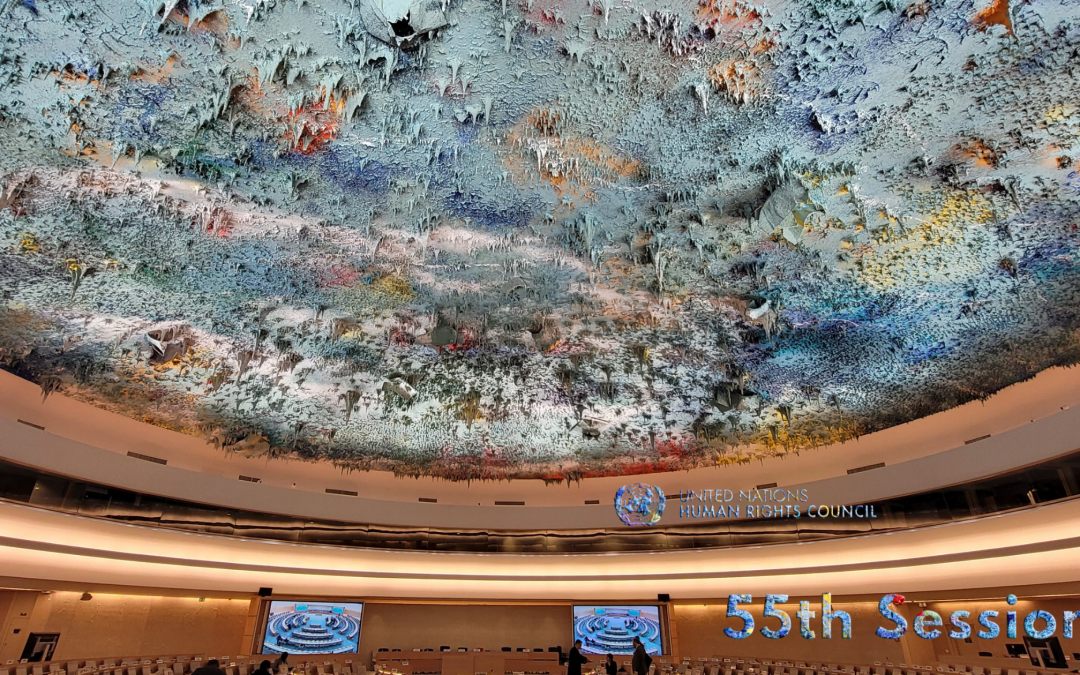
The written statement submitted to the Human Rights Council by Coordination des Associations et des Particuliers pour la Liberté de Conscience highlights the issue of discrimination against religious and spiritual groups through the misuse of tax laws in several countries. It points out that tax exemptions, which should be universally available to such groups, are instead used as tools of discrimination, particularly against movements deemed unpopular or labeled as “cults.” The statement references specific instances in France and Japan where religious groups faced such discrimination.
by CAP Liberté de Conscience | Oct 18, 2023 | CAP LC Event Coming, news
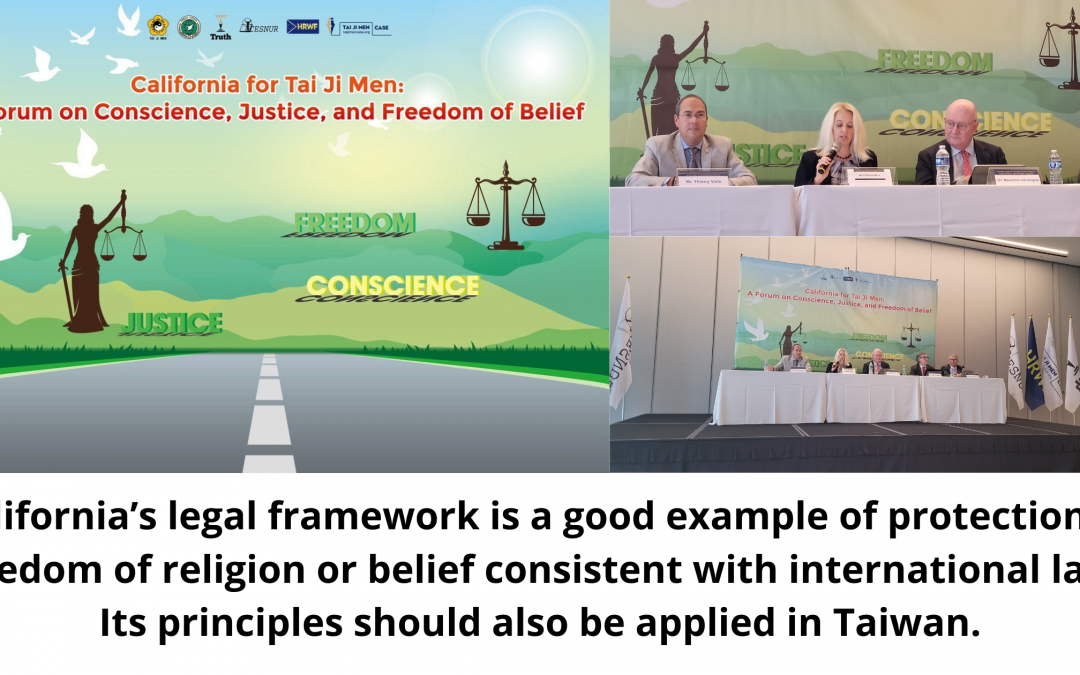
California, the Golden State, is known for its stunning landscapes, thriving entertainment industry, and diverse culture. Beneath the surface of this multifaceted state lies another remarkable aspect of its diversity: religious pluralism. From the Spanish missions of the 18th century to the bustling metropolises of the 21st century, California’s religious landscape has evolved into a vibrant tapestry of faiths and beliefs.
by CAP Liberté de Conscience | Aug 23, 2023 | HRC 53
We have learned that democracy is no guarantee against violations of freedom of religion or belief. However, when more democracy is introduced, it often happens that more religious liberty is also guaranteed. We have noticed, in particular, the progress of religious liberty in countries once part of the Soviet Union. Although some problems occasionally surface, the Baltic States are a virtuous example of transition to religious liberty, and even in Central Asia, where freedom of religion or belief is not yet fully recognized, at least several Jehovah’s Witnesses and other prisoners of conscience have been liberated from jail.
by CAP Liberté de Conscience | Aug 19, 2023 | CAP LC Event Coming
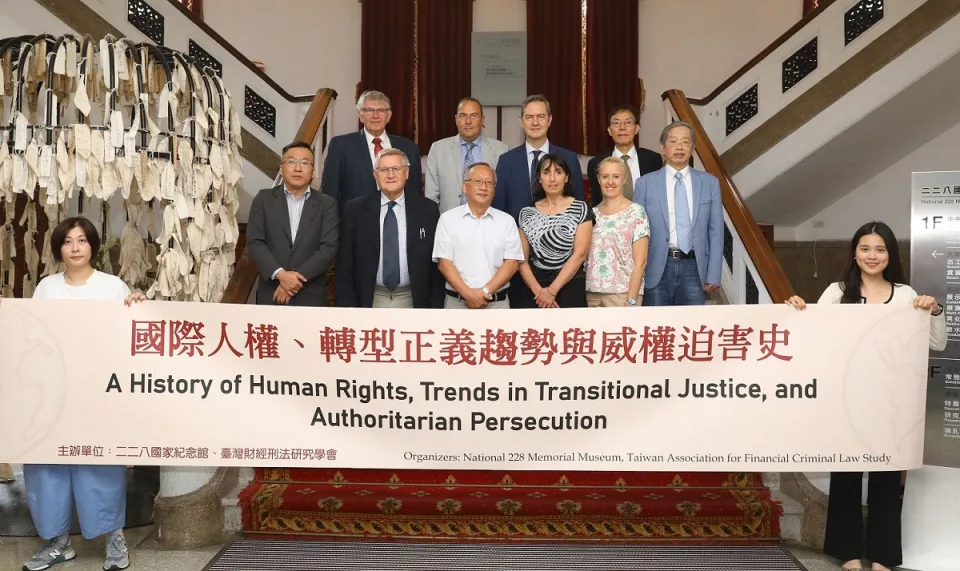
Whether or not transitional justice is implemented is the basic condition for examining the establishment of a human rights nation. As Christine Mire, vice president of the French CAP-LC (Coordination for Freedom of Conscience of Individuals and Organizations), emphasized, Taiwan is one of the few countries that can turn the relics of past government abuses into museums, and despite Taiwan’s commitment to democracy, the failure to solve the Taijimen case has tarnished Taiwan’s reputation as a democracy. The government should face up to the fact that Taiwan’s international reputation should be preserved.
by CAP Liberté de Conscience | Aug 1, 2023 | CAP LC Event Coming, news
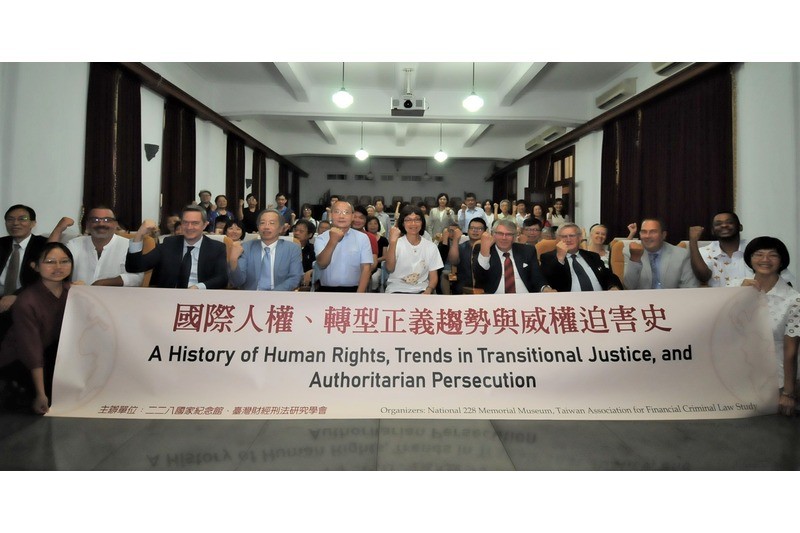
Christine Mirre, vice-chairman of the French Coordination for Freedom of Conscience of Individuals and Organizations, said that what she felt during this visit was that the police and soldiers who were supposed to be protectors of Taiwan from the Japanese occupation turned into oppressors. Taiwan must really turn the page, otherwise it will be a wound that has not yet healed. This is indeed unknown to Western countries. She believes that this is indeed a big wound for Taiwan.