by CAP Liberté de Conscience | May 23, 2026 | EU Parliament, news
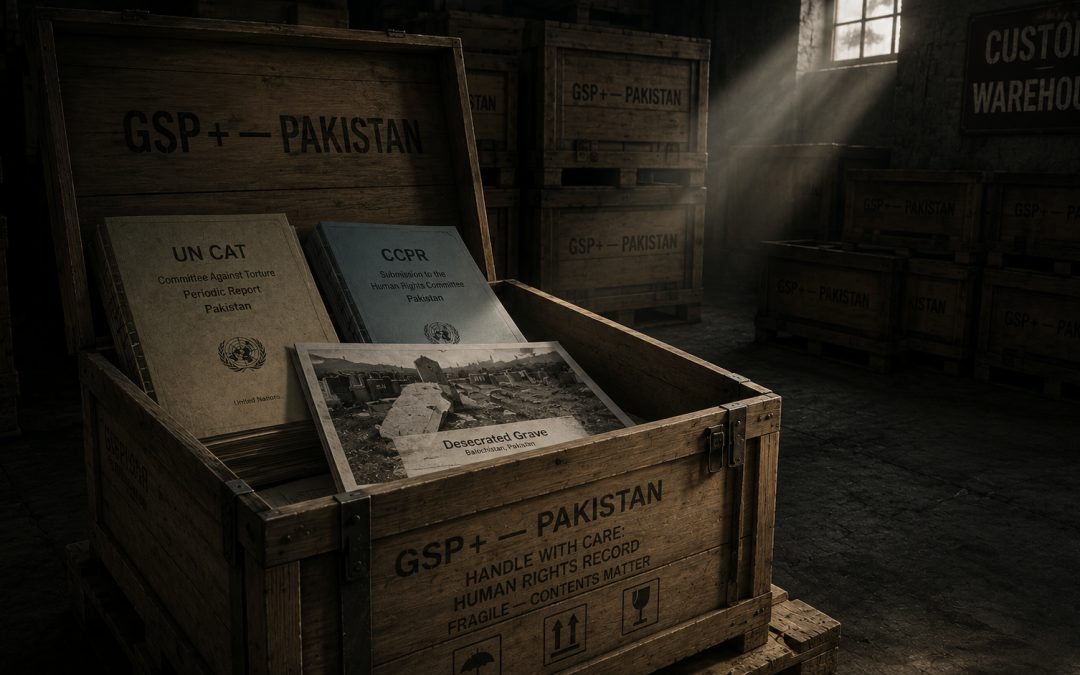
The Council of the EU formally adopted the revised GSP regulation on 22 May 2026, expanding human rights conditionality from 27 to 32 conventions. CAP Liberté de Conscience and IHRC welcome this reinforcement, noting that Pakistan’s GSP+ reappraisal offers an opportunity to address documented persecution of the Ahmadiyya community. The organisations urge the Commission to use the review to transform words into acts.

by CAP Liberté de Conscience | May 23, 2026 | EU Parliament, news
The European Parliament adopted resolution TA-10-2026-0186 on 21 May 2026, condemning the Taliban’s Criminal Procedure Code for Courts as institutionalised gender apartheid. The text demands repeal of the Code, ICC warrant enforcement, and recognition of slavery and child marriage as crimes against humanity. CAP Liberté de Conscience supports this resolution, highlighting the intersection of religious freedom and gender persecution in Afghanistan.
by CAP Liberté de Conscience | May 23, 2026 | EU Parliament, news
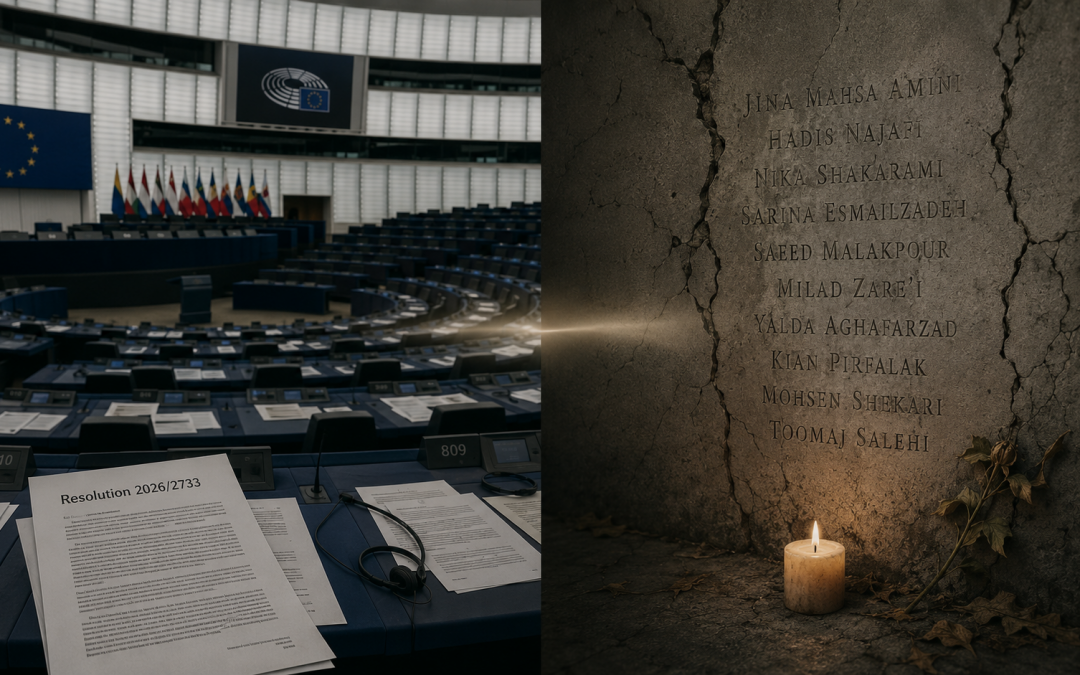
The European Parliament adopted resolution TA-10-2026-0185 on 21 May 2026, condemning mass executions and repression in Iran. The text highlights the disproportionate targeting of religious minorities — Bahá’ís, Christians, Jews, and others — and demands accountability. CAP Liberté de Conscience welcomes this intervention, linking it to its own oral statement at the UN 39th Special Session on Iran.
by CAP Liberté de Conscience | Feb 13, 2026 | EU Parliament, news
On 12 February 2026, the European Parliament adopted Resolution P10_TA(2026)0046 addressing systemic oppression, inhumane conditions and arbitrary detentions by the Iranian regime. This text represents the institution’s continued engagement with human rights violations in Iran, building upon multiple prior parliamentary resolutions on the country. The resolution was adopted under emergency procedures (Rule 150(5) and 136(4)), underscoring the urgency with which the Parliament views the situation.
by CAP Liberté de Conscience | Feb 13, 2026 | CAP LC Europe, EU Parliament, news
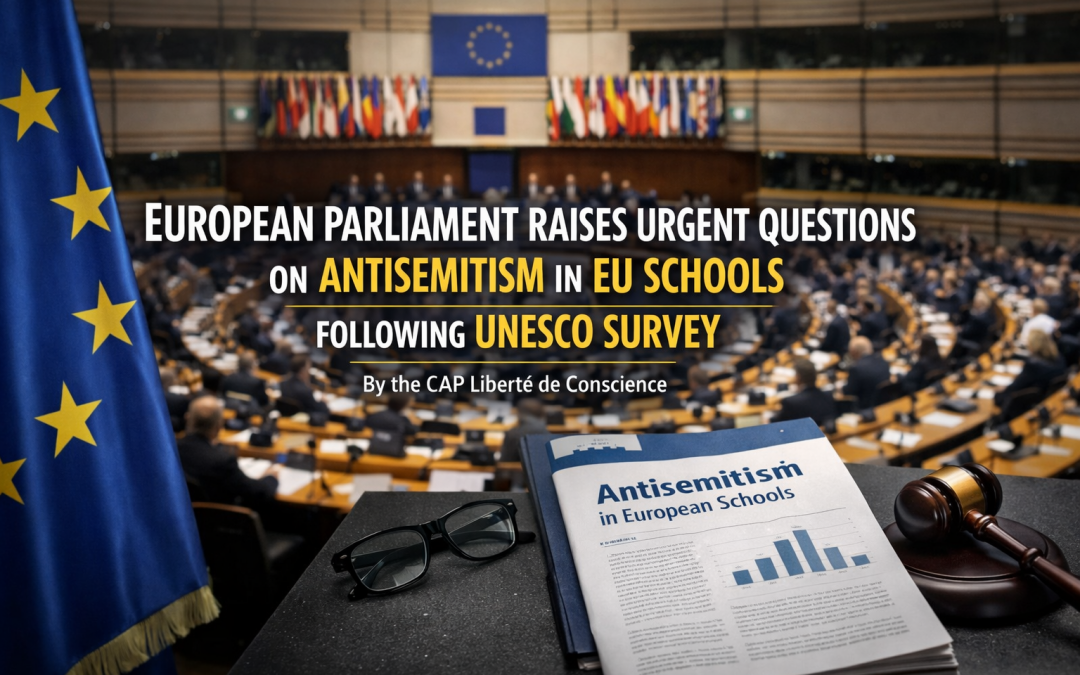
On 30 January 2026, a cross-party group of eighteen European Parliament members submitted a written question to the European Commission regarding alarming findings in a UNESCO report on antisemitism in European Union educational institutions. The initiative, led by MEPs from multiple political groups—including the European Conservatives and Reformists, Renewists, and the Patriotic Europe faction—signals growing parliamentary concern over documented prevalence of antisemitic incidents within classrooms across the bloc.

by CAP Liberté de Conscience | Feb 23, 2025 | Ahamadiyya, EU Parliament, news
CAP Liberté de Conscience is an international non-governmental organization dedicated to defending human rights, with a specialized focus on protecting religious minorities worldwide. While our expertise centers on religious freedom, we recognize that a comprehensive understanding requires insights from diverse expert perspectives.
by CAP Liberté de Conscience | Apr 22, 2024 | CAP LC Europe, EU Parliament, news
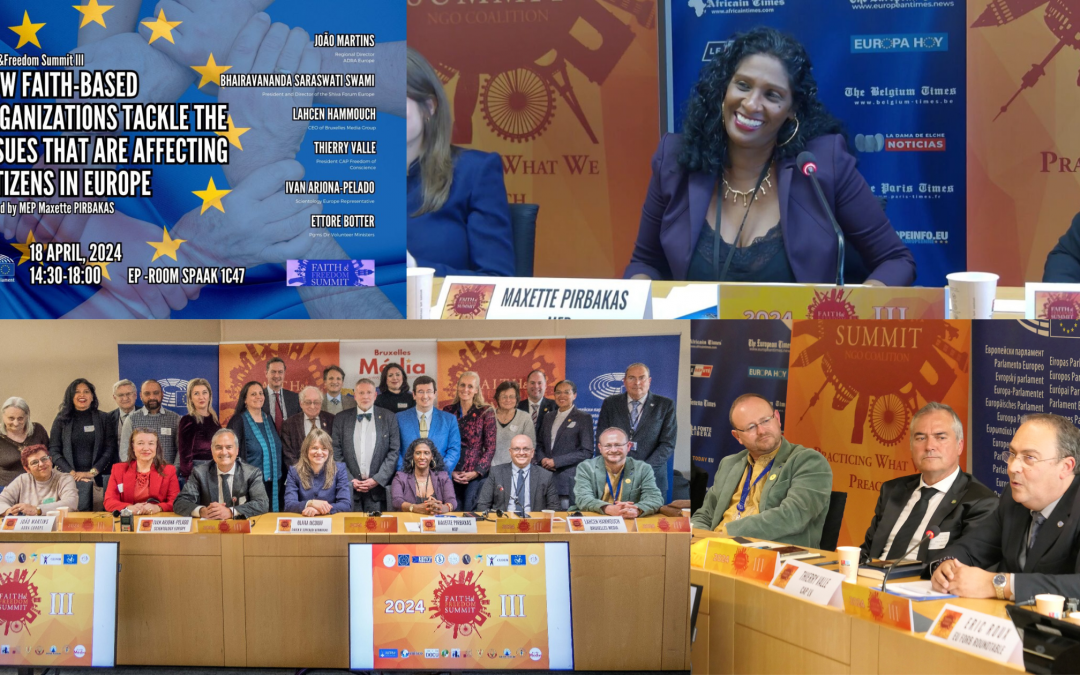
First of all I would like to thank Mrs Maxette Pirbakas MP and the organisers of this 3rd Faith and Freedom summit for inviting me to give you a presentation on the theme of “the social action of Faith-Based Organizations”. I would like to take you on a journey through time, exploring the profound impact of Faith-Based organisations in promoting peace and social equality from the 15th century to the present day.
by CAP Liberté de Conscience | Dec 4, 2023 | EU Parliament, news
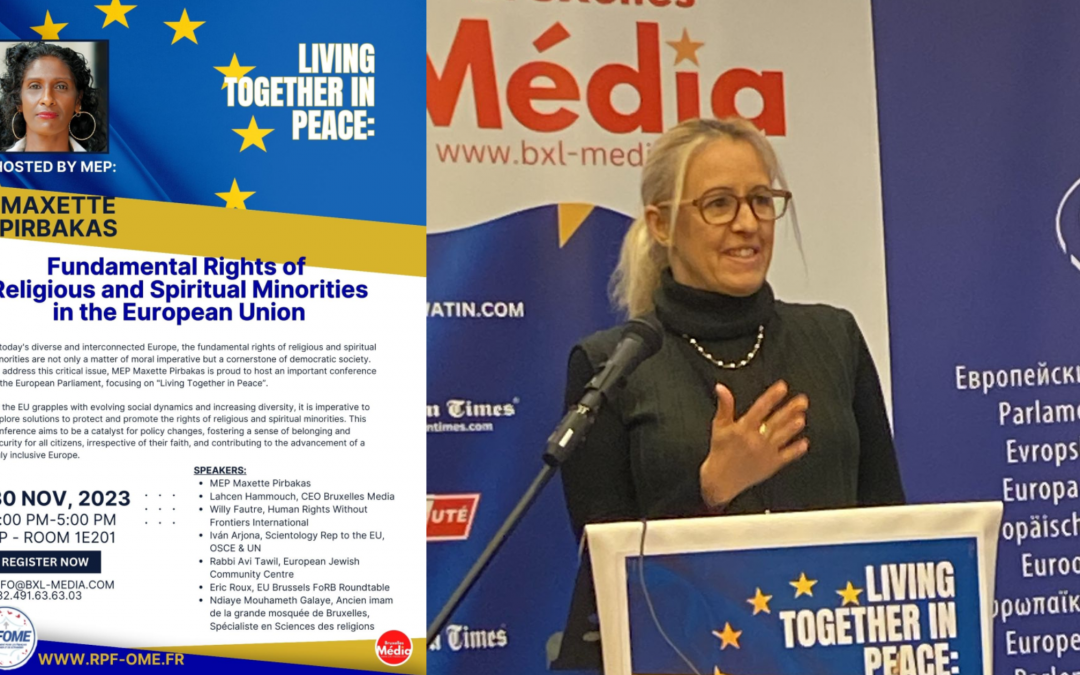
The French government has established a system of control over these minorities that is unique in Europe and that leads to serious violations by the State of the principles of freedom of religion or belief, equality of French citizens before the national institutions, and fraternity, by dividing citizens according to whether or not they belong to a recognized religious or belief minority, and by creating a climate of suspicion and sometimes even hatred towards non-traditional beliefs, leading to a deterioration in the quality of peaceful living together.