by CAP Liberté de Conscience | Sep 29, 2026 | news, UN HRC 63, UN UPR
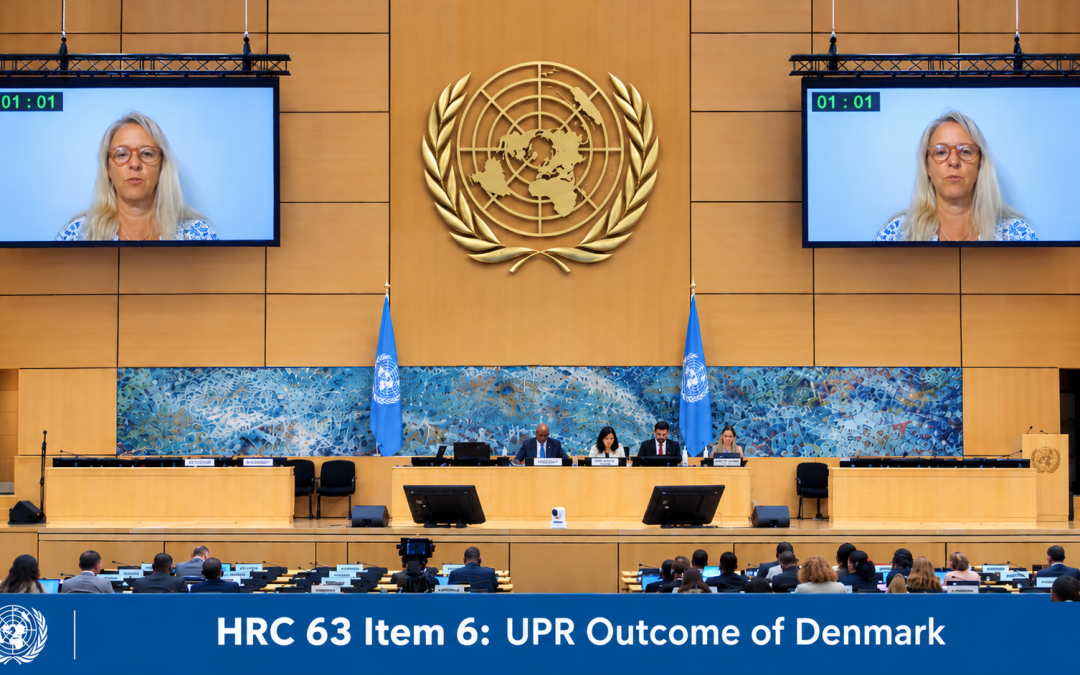
Two hundred and sixty-five recommendations, one hundred and seventy-four accepted, ninety-one merely noted. On paper, Denmark’s fourth Universal Periodic Review ended in September 2026 the way most Western reviews do: with broad acceptance and polite applause. Yet the most telling sentence of the adoption session may not belong to any state. It came from a humanist organization, which observed that not one of the 265 recommendations addressed the place of non-religious life stances in Danish law. In a session where religion, belief and belonging dominated much of the floor, that silence said as much as the speeches.
by CAP Liberté de Conscience | Sep 29, 2026 | news, UN HRC 63, UN UPR
Geneva, 25 September 2026 — During the adoption of the outcome of the Universal Periodic Review of Denmark at the 63rd session of the UN Human Rights Council, we delivered an oral statement addressing gaps in Denmark’s first National Action Plan Against Racism and ongoing concerns regarding freedom of religion or belief.

by CAP Liberté de Conscience | Sep 11, 2026 | UN UPR
A joint stakeholder submission for Ukraine’s fourth-cycle UPR argues that security and human rights are part of the same struggle, and calls for elections, anti-corruption reforms, minority protections, and planning for the post-war period.

by CAP Liberté de Conscience | Sep 11, 2026 | UN UPR
Ahead of Sudan’s fourth-cycle Universal Periodic Review, a joint stakeholder submission documents how the gap between pledges and practice has enabled chemical weapons allegations, drone warfare, and human shielding.
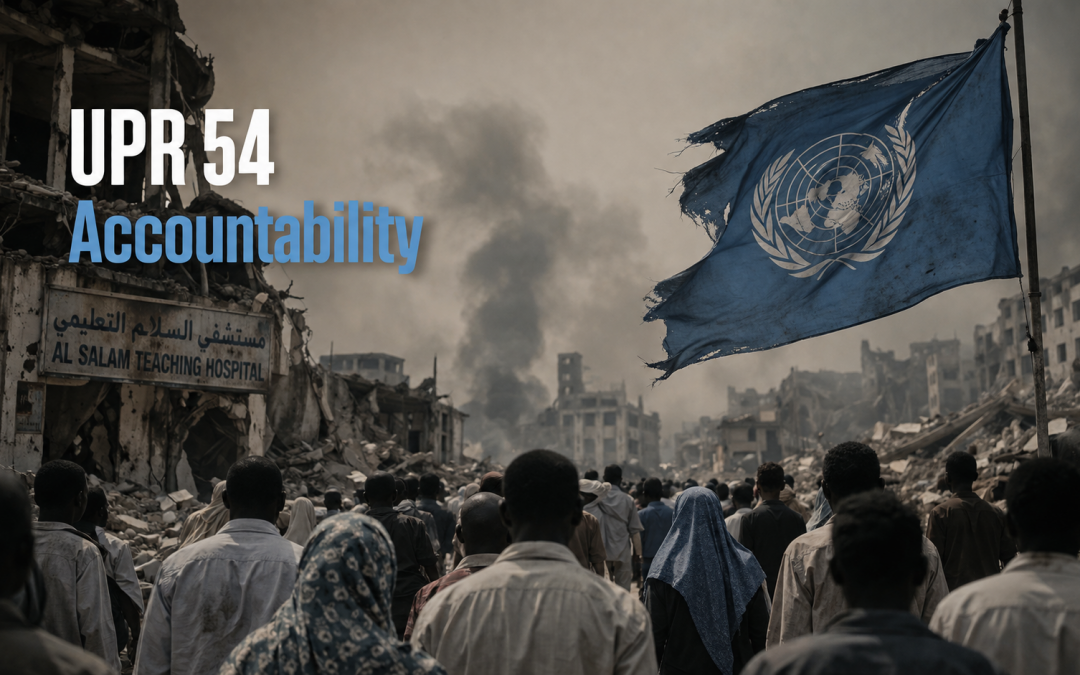
by CAP Liberté de Conscience | Jul 22, 2026 | news, UN UPR
A joint submission by ICHR, ODL and SWOP to the 54th UPR session exposes Sudan’s near-total implementation gap since 2022, geographical selectivity in documenting violations, and the ideological capture of the Sudanese Armed Forces. The report calls for unhindered humanitarian access, independent investigations into alleged chemical weapons use, and restoration of civilian rule. Recommending states must ensure the UPR does not become a shield for impunity.
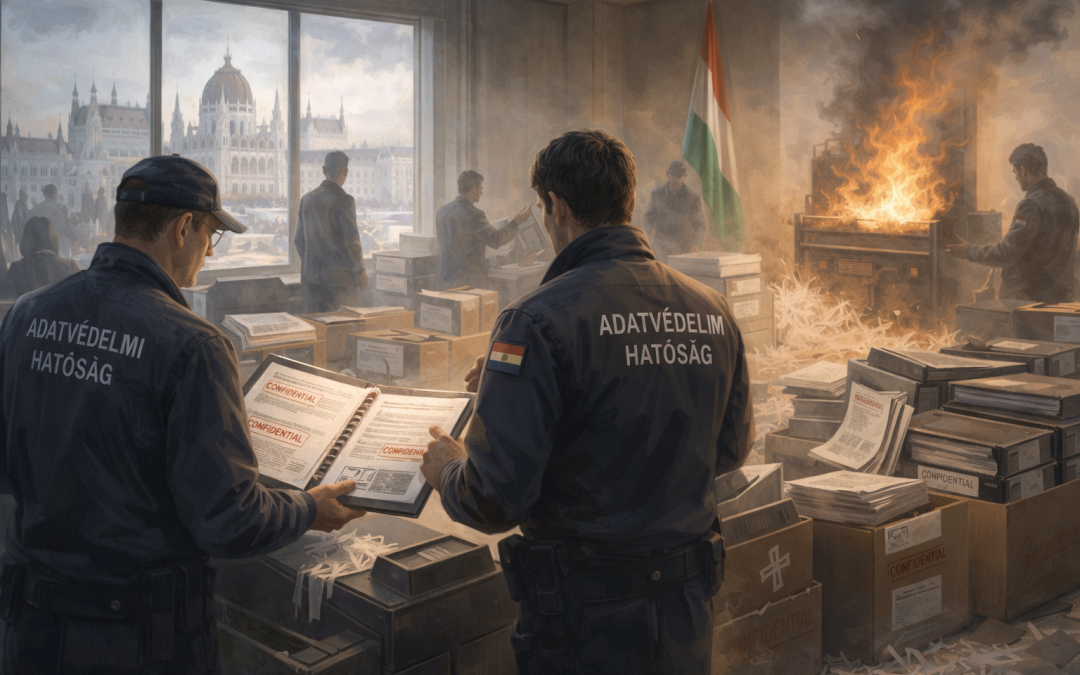
by CAP Liberté de Conscience | Apr 10, 2026 | news, UN UPR
CAP Liberté de Conscience has submitted a report to the UN Universal Periodic Review (53rd Session) regarding Freedom of Religion or Belief in Hungary. The submission focuses on the alleged weaponization of data protection laws to target minority religious groups, specifically the Church of Scientology. It details the NAIH’s order to destroy religious records—a measure upheld by courts despite a criminal investigation finding no wrongdoing. CAP LC argues this violates religious practice and due process. The report calls for halting the destruction of files, returning seized property, and reforming the discriminatory 2011 Church Law to ensure compliance with international standards.
by CAP Liberté de Conscience | Sep 22, 2025 | news, UN UPR
CAP Liberté de Conscience (CAP LC), an international non-governmental organization with consultative status at the United Nations, has jointly submitted a report for the 52nd session of the Universal Periodic Review (UPR) Working Group, focusing on Denmark. This expert analysis was prepared in collaboration with Mr. Bashy Quraishy, Secretary General of the European Muslim Initiative for Social Cohesion (EMISCO), and Mr. Gregory Christensen, Leader of Youth for Human Rights – Denmark. Both experts are members of the Advisory Board of the Danish Institute for Human Rights and bring decades of experience in human rights, anti-discrimination, and minority integration work within Denmark and the European Union.

by CAP Liberté de Conscience | Jan 9, 2025 | UN UPR
The Coordination des Associations et des Particuliers pour la Liberté de Conscience (CAP Liberté de Conscience), a secular international organization, has actively contributed to the 48th session of the Universal Periodic Review (UPR) Working Group on Egypt. CAP Liberté de Conscience submitted a detailed report addressing critical issues related to freedom of religion and belief, particularly highlighting the persecution faced by the Ahmadi Religion of Peace and Light in Egypt. This article synthesizes the key points from the stakeholders’ submissions, the UPR summary report, and CAP’s recommendations to shed light on the ongoing challenges and proposed solutions.