by CAP Liberté de Conscience | Oct 12, 2026 | news
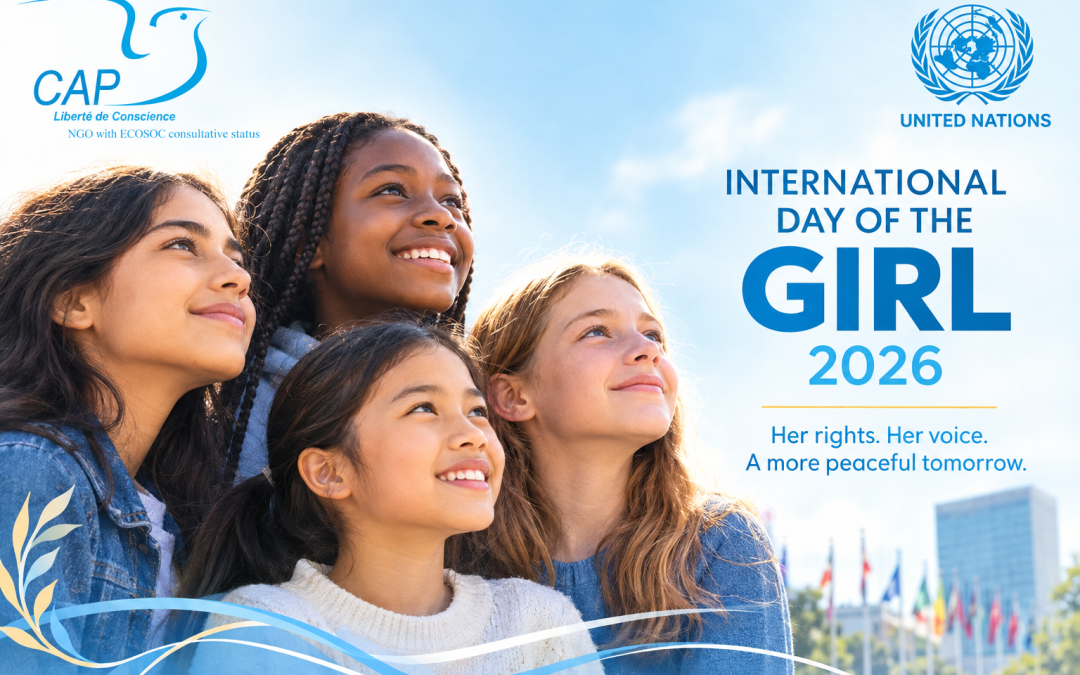
Every year on 11 October, the world marks the International Day of the Girl Child. In 2026, the observance carries a theme chosen with unusual clarity: end child marriage and invest in girls’ rights. For CAP Liberté de Conscience, the day is not only a celebration. It is a reminder of the girls whose rights are violated in the name of tradition, extremism or institutional failure, from Pakistan to France.
by CAP Liberté de Conscience | Oct 11, 2026 | news, OSCE
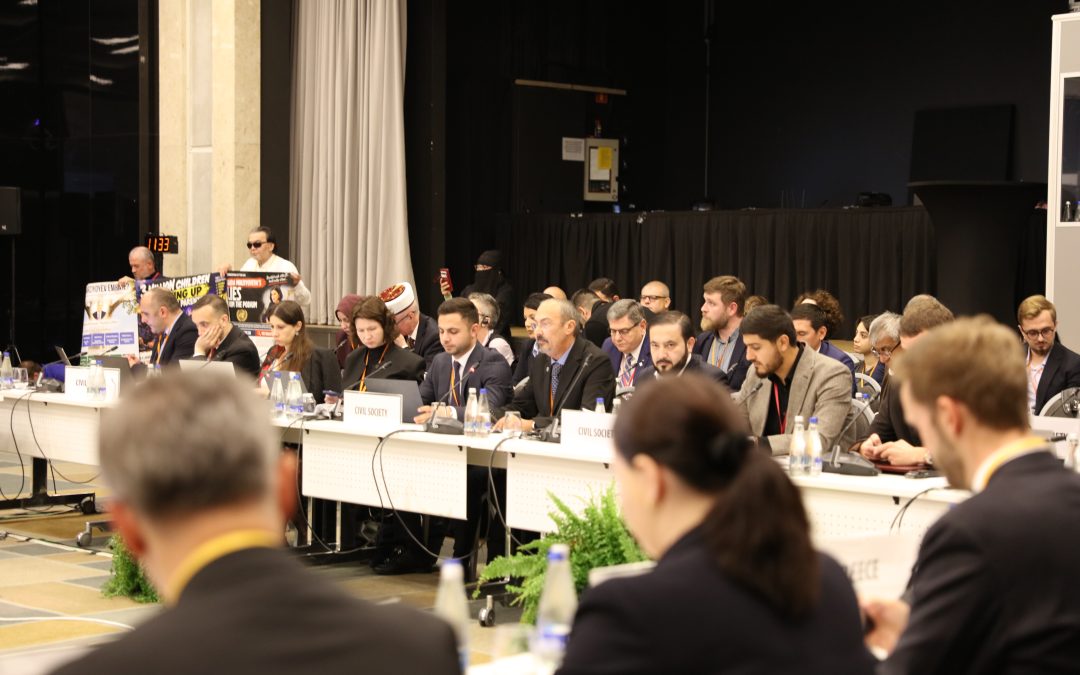
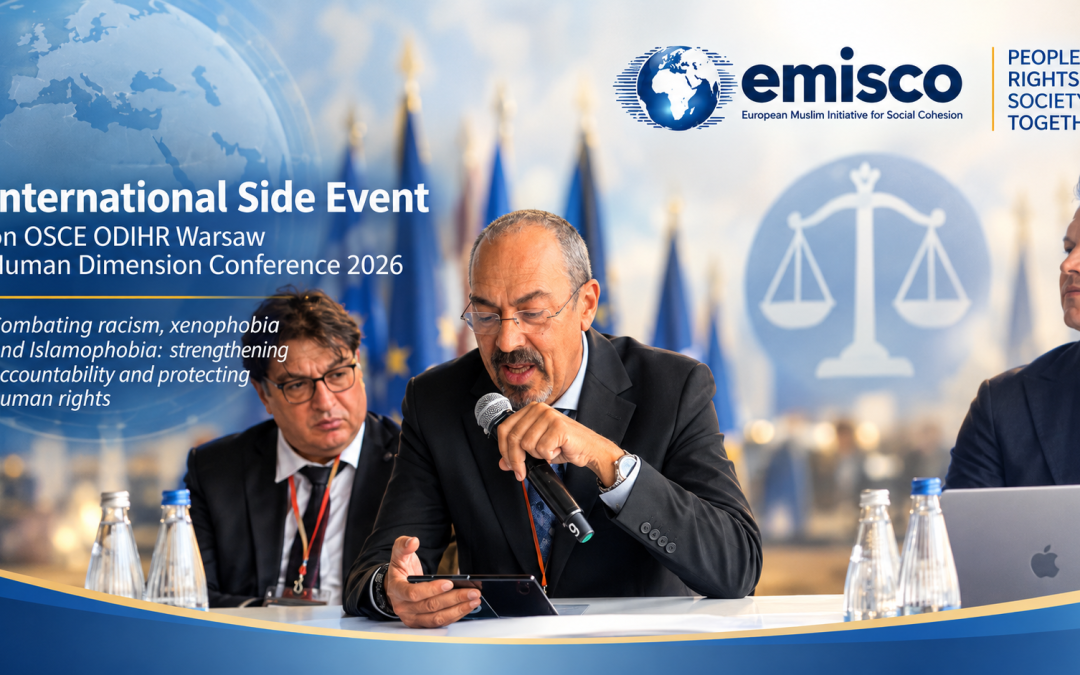
From 5 to 15 October 2026, delegations of the participating States, civil society representatives and independent experts gather in Warsaw for the annual Human Dimension Conference organized by the OSCE Office for Democratic Institutions and Human Rights, the principal human rights event of the OSCE calendar. CAP LC contributed to the conference with a report on France and the MIVILUDES, published on the OSCE website under reference CIO.WHDC.CS/0086/26/EN. The report documents the judicial sanctions pronounced against the French interministerial mission and its partner associations, and examines the structural role of the media in the stigmatization of religious minorities.
by CAP Liberté de Conscience | Oct 10, 2026 | news, OSCE
I would like to begin with three numbers. Six hundred and thirty nine. Forty seven. Three.
In the school year that followed the French law of 15 March 2004 on religious symbols in schools, the Ministry of Education recorded 639 pupils who had come to class wearing a visible religious sign. Within a year, 47 young girls had been formally excluded from public education. And three Sikh boys had been expelled for refusing to remove their turbans.
by CAP Liberté de Conscience | Oct 10, 2026 | news
On 10 October, the World Day Against the Death Penalty, United Nations human rights experts renewed their call for the complete abolition of capital punishment. Their message this year is simple: look beyond labels, crimes and sentences, and recognize the humanity of those affected. The death penalty is not an abstract concept. It is imposed on people with families, life stories, aspirations and inherent dignity.
by CAP Liberté de Conscience | Oct 10, 2026 | news, OSCE
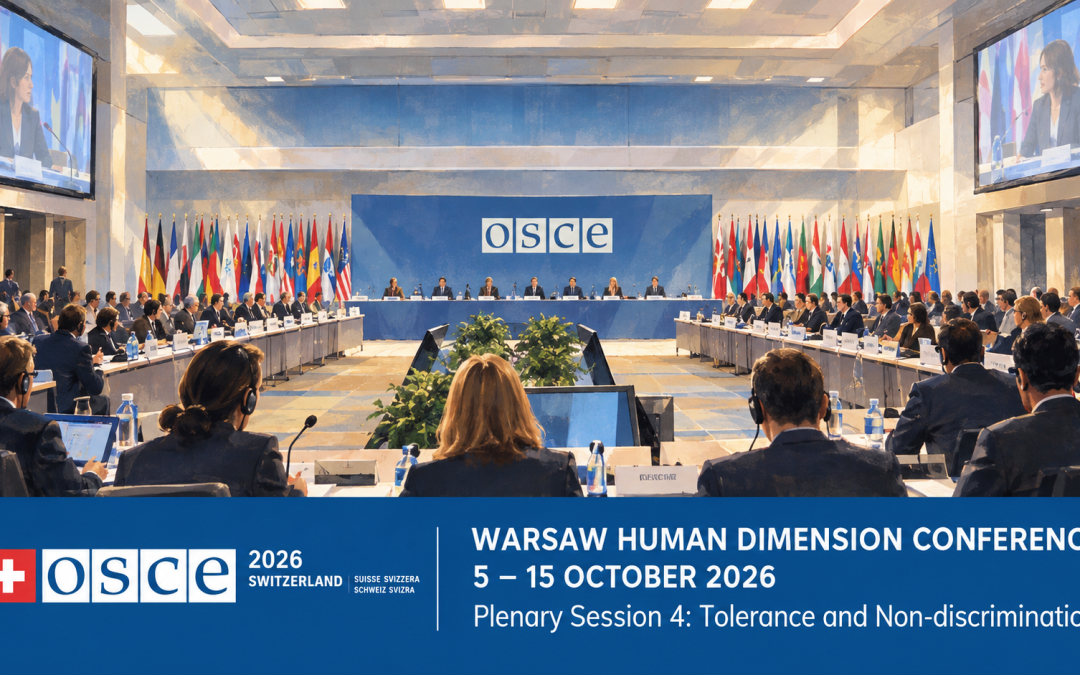
CAP Liberté de Conscience brought the case of Konstantin Rudnev before the Warsaw Human Dimension Conference 2026, the annual human rights meeting of the OSCE held under the Swiss chairpersonship. The statement was submitted during the fourth plenary session of the conference, devoted to tolerance and non discrimination, held on 8 October 2026
by CAP Liberté de Conscience | Oct 9, 2026 | news, UN HRC 63
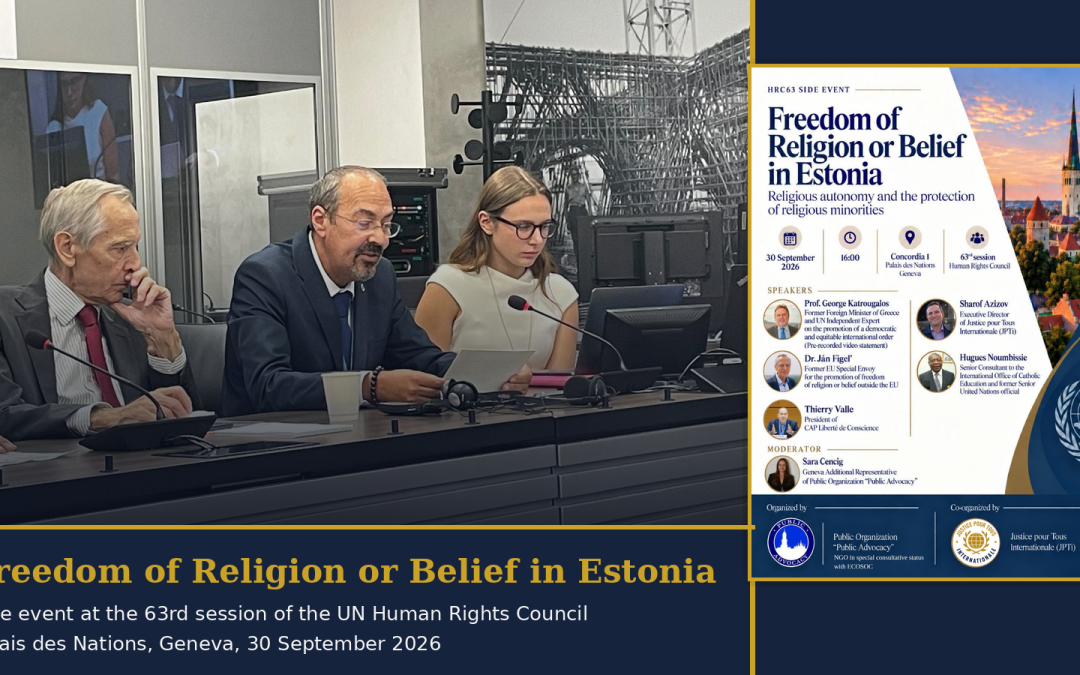
On 30 September 2026, during the 63rd session of the United Nations Human Rights Council, the Public Organization “Public Advocacy”, an NGO in special consultative status with the United Nations Economic and Social Council, convened the side event “Freedom of Religion or Belief in Estonia: Religious Autonomy and the Protection of Religious Minorities” in Concordia 1 at the Palais des Nations in Geneva,
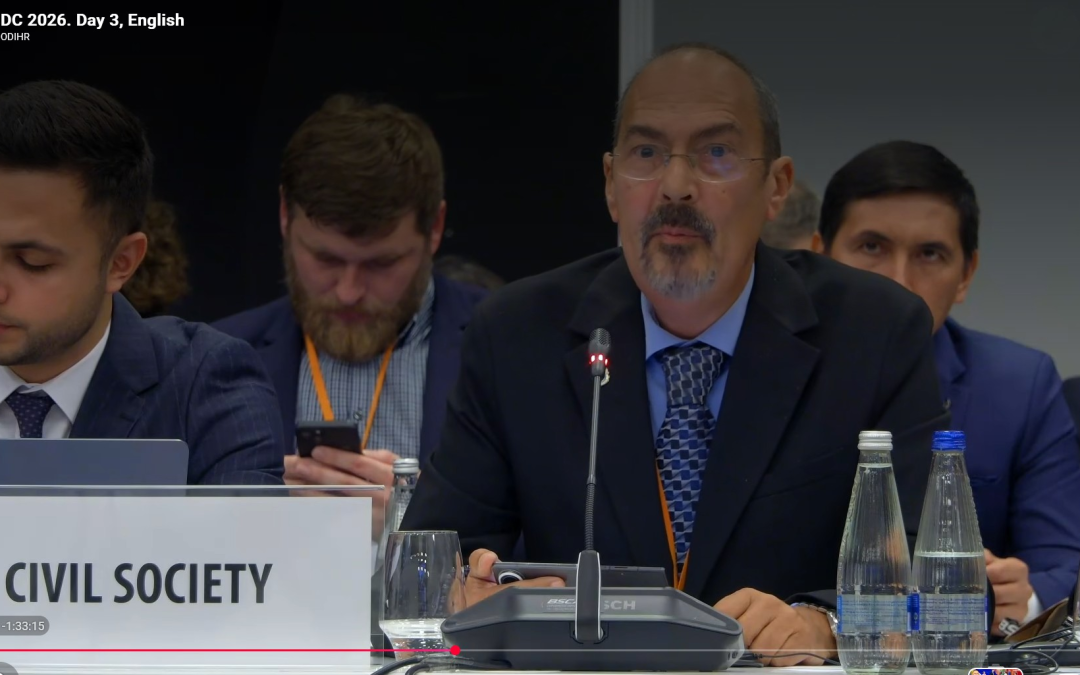
by CAP Liberté de Conscience | Oct 8, 2026 | news, OSCE
During Plenary Session 3 of the Warsaw Human Dimension Conference 2026, devoted to fundamental freedoms including freedom of thought, conscience, religion or belief, CAP Freedom of Conscience delivered a statement highlighting a development in the United States that raises significant concerns.
by CAP Liberté de Conscience | Oct 4, 2026 | news, UN HRC 63
Pakistan appeared twice at the Item 9 general debate on 1 October 2026, in two different capacities. Once as the voice of others: its ambassador delivered the statement of the Organization of Islamic Cooperation to the Human Rights Council, denouncing the desecration of the Quran and attacks on mosques. Once as a target: in the NGO segment that followed, no fewer than eight organizations directed their statements at Islamabad, cataloguing enforced disappearances in Balochistan, life sentences handed down by military courts, the expulsion of 2.3 million Afghans, forced conversions of Hindu girls, and a father of three held incommunicado since a secret trial. A member state that came to accuse spent the afternoon being accused.