by CAP Liberté de Conscience | Nov 25, 2026 | CAP LC United Nations, news
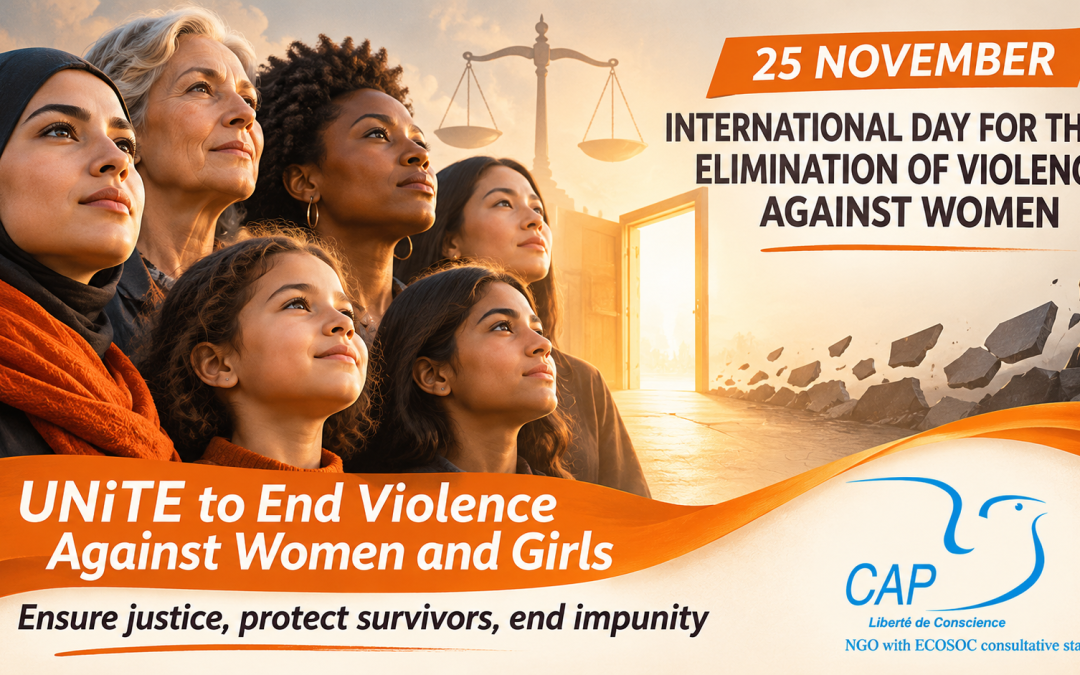
One hundred and twenty nine orange flags were planted on Tuesday at United Nations Headquarters in New York. Each one stood for a woman or a girl killed every day in the world by her partner or by a member of her own family. The ceremony, held on 24 November 2026 in the Economic and Social Council chamber, opened this year’s edition of the 16 days of activism, the international campaign that runs each year from 25 November to 10 December, Human Rights Day.
by CAP Liberté de Conscience | Nov 1, 2026 | CAP LC United Nations, news
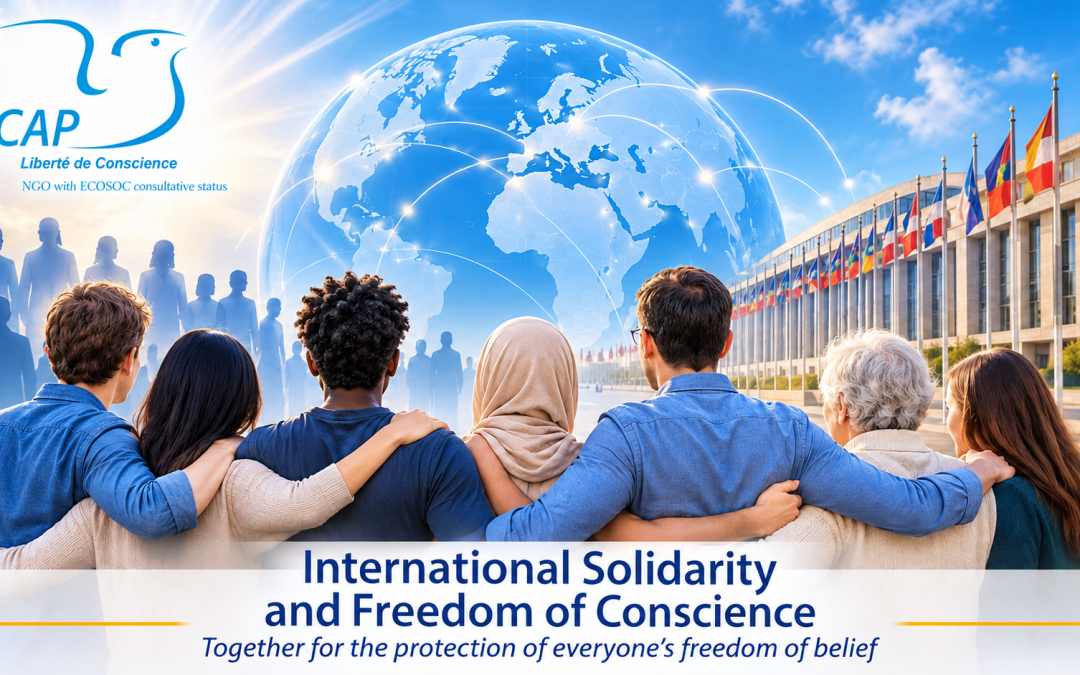
On 1 November 2026, CAP Freedom of Conscience submitted its input to the report of the Independent Expert on human rights and international solidarity devoted to faith based and humanist organizations. The report will be presented at the 65th session of the United Nations Human Rights Council in June 2027.
by CAP Liberté de Conscience | Oct 20, 2026 | CAP LC United Nations, news
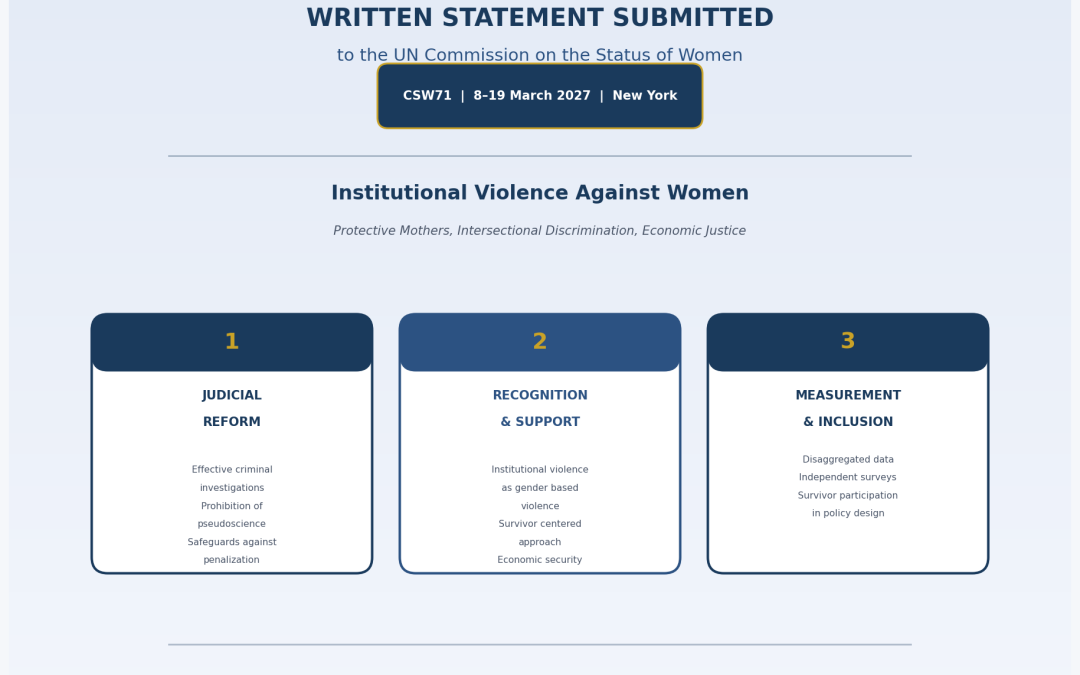
CAP LC, a non-governmental organization in special consultative status with the United Nations Economic and Social Council, today submitted its written statement to the Secretariat of the Commission on the Status of Women. The statement was filed on the final day of the submission period for the Commission’s seventy first session, to be held from 8 to 19 March 2027 at United Nations Headquarters in New York.
by CAP Liberté de Conscience | Sep 2, 2026 | CAP LC United Nations, news
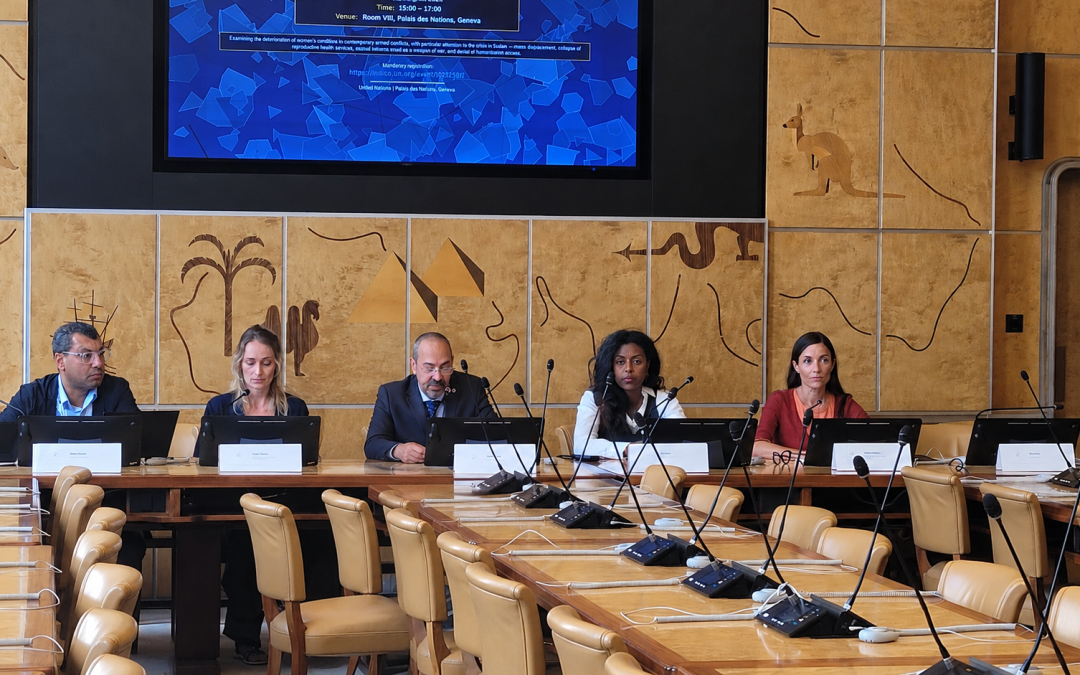
Geneva, 25 August 2026 — On 25 August 2026, in Room VIII of the Palais des Nations, CAP Liberté de Conscience (CAP LC) convened a side event on a subject that remains urgent and too often sidelined: the condition of women in wartime. Titled “Women’s Condition and Violence in Wartime,” the gathering brought together psychologists, human rights defenders, and humanitarian practitioners to give voice to women whose suffering is documented in files and reports, but whose stories rarely reach the chambers where decisions are made.
by CAP Liberté de Conscience | Aug 19, 2026 | CAP LC United Nations, news
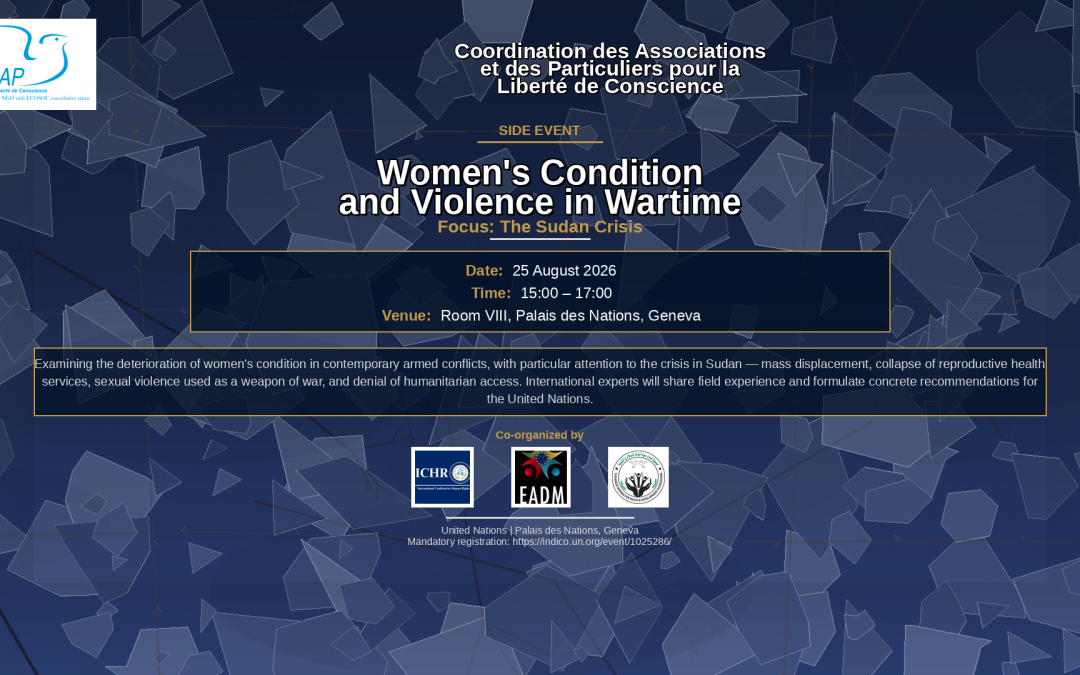
This conference will examine the deterioration of women’s condition in contemporary armed conflicts, with particular attention to the systemic violence — physical, sexual, psychological and structural — they endure in the Sudan crisis. International experts — lawyers, human rights defenders, psychologists and humanitarian practitioners — will share their field experience and legal expertise to enrich the analysis of existing protection mechanisms. The objective is to raise awareness among the diplomatic community and civil society, and to formulate concrete recommendations for the United Nations regarding accountability mechanisms and unimpeded humanitarian access.
by CAP Liberté de Conscience | May 11, 2026 | CAP LC United Nations, news, UN OHCHR
Coordination des Associations et des Particuliers pour la Liberté de Conscience (CAP LC) and The International Human Rights Committee (IHRC) welcome the findings and recommendations issued by the United Nations Committee Against Torture (CAT) following its review of Pakistan under the Convention Against Torture.

by CAP Liberté de Conscience | May 7, 2026 | CAP LC United Nations, news
In 2026, the UN Committee Against Torture issued a damning assessment of Pakistan, highlighting a vast gap between legislation and reality. Despite laws like the 2022 Torture Act, torture is practiced with near impunity. The report cites widespread enforced disappearances, abusive blasphemy accusations leading to solitary confinement, and severely overcrowded prisons. The Committee urges Pakistan to ensure accountability, amend legal definitions, and protect minorities and human rights defenders from state abuse and systemic neglect.
by CAP Liberté de Conscience | Apr 22, 2026 | CAP LC United Nations, news, UN OHCHR
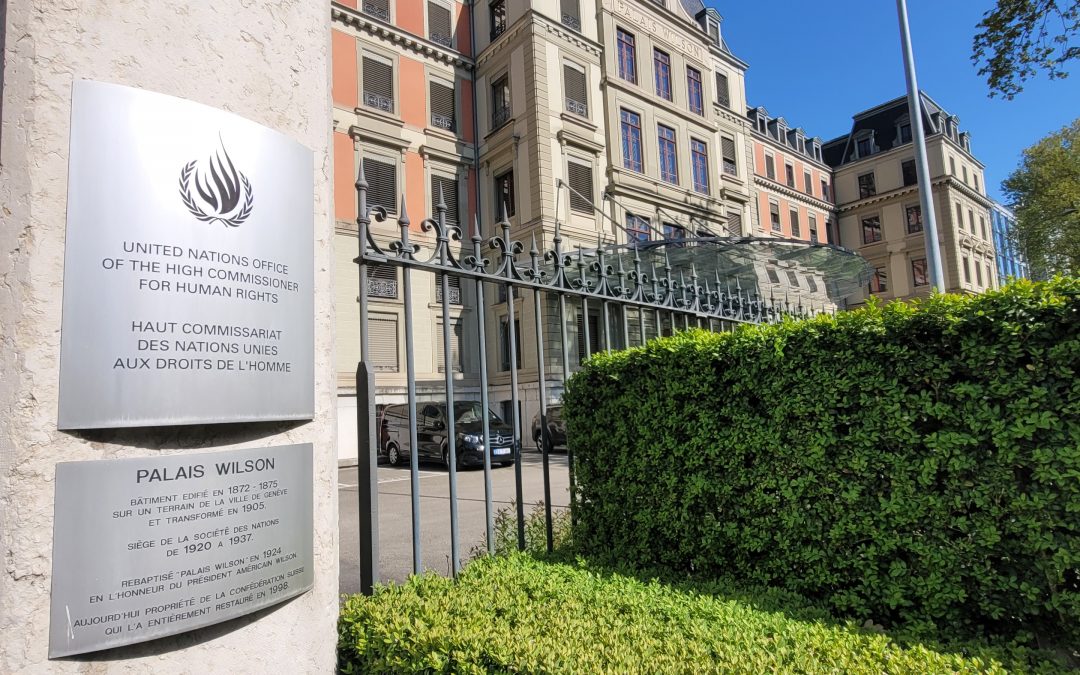
This report examines how media functions as a systemic vector of religious persecution across three contexts: France’s institutional stigmatization, Pakistan’s state-controlled persecution of Ahmadi Muslims, and digital platforms’ unregulated religious intolerance. Using a Public Health approach, it provides evidence-based recommendations for the OHCHR, states, and platforms to dismantle media-driven persecution.