by CAP Liberté de Conscience | Oct 10, 2022 | news, OSCE
Mr. Dvorkin is a Russian activist with strong links to the Russian Orthodox Church and a close to Patriarch Kirill who for decades has been inundating the Russian, Chinese and Western media with hate speech against spiritual minorities and anti-Ukrainian propaganda. He was the vice-president of FECRIS for years and today he remains a member of its board of directors.
by CAP Liberté de Conscience | Oct 10, 2022 | Ahamadiyya
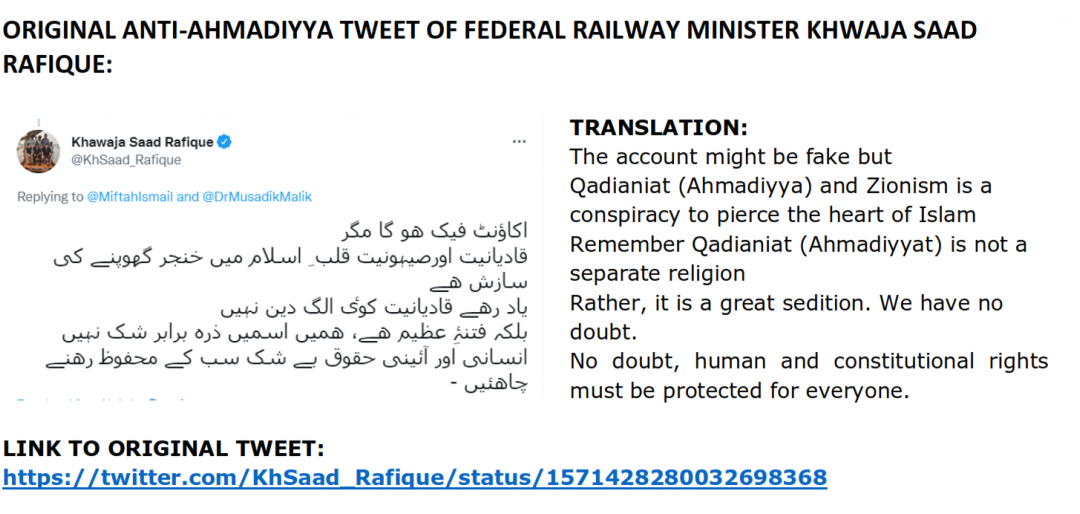
A Federal Minister and Member of the National Assembly of Pakistan, Mian Javed Latif has launched a fresh hate-filled campaign against the persecuted Ahmadiyya Muslim Community in Pakistan, using religion to score political point
by CAP Liberté de Conscience | Oct 5, 2022 | HRC 51
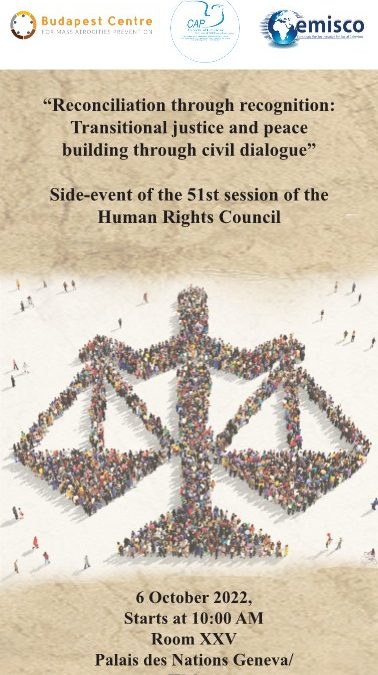
Protection of universal human rights in conflict affected areas has always been the priority for the work of UN Human rights council. There is inseparable connection between protection of peace and security and human rights and human dignity. Both sustainable peace and human dignity can’t not be achieved but with Justice. The latter is a fundamental building block for the formers, thus it needs to be addressed at once. This linkage become even more important when the shadow of the fading conflict still dominates and hinder normalization efforts by the states engaged in post-conflict peacebuilding. The two-fold task presents a challenge but also provide opportunity to support transition from conflict to peace by applying the mechanism of transitional justice.1 One such important opportunity emerged in the critical region of South Caucuses with the effective transition of Armenian-Azerbaijani conflict since the parties signed Trilateral Statement in November 2020 which ended the war.
by CAP Liberté de Conscience | Oct 5, 2022 | CAP LC Event Coming, HRC 51
Peace and justice are inevitable part of any post-conflict reconciliation. It is therefore necessary to streamline efforts aimed at strengthening the linkage between them while ensuring broad participation of civil society to this aim. This would not only serve to bringing justice and broaden the rule of law, but would also help healing wounds thereby contributing to post-conflict peace- building and reconciliation processes through the multi-stakeholder approach.
by CAP Liberté de Conscience | Sep 12, 2022 | HRC 51
Civil society participation is a cornerstone of the Human Rights Council. Given continuing restrictions to civil society participation, including the Council’s adoption of efficiency measures to address the UN’s financial shortfalls; the COVID-19 pandemic2; and the ongoing Strategic Heritage Plan, we call on you to continue to ensure full participation of civil society and that civil society are fully consulted in the making of decisions that affect civil society participation and access to the Council. We are concerned that without such consultation, decisions on issues relating to participation and procedure will be taken without full consideration of all key stakeholders, to the detriment of the Council’s effectiveness.
by CAP Liberté de Conscience | Aug 9, 2022 | Ahamadiyya
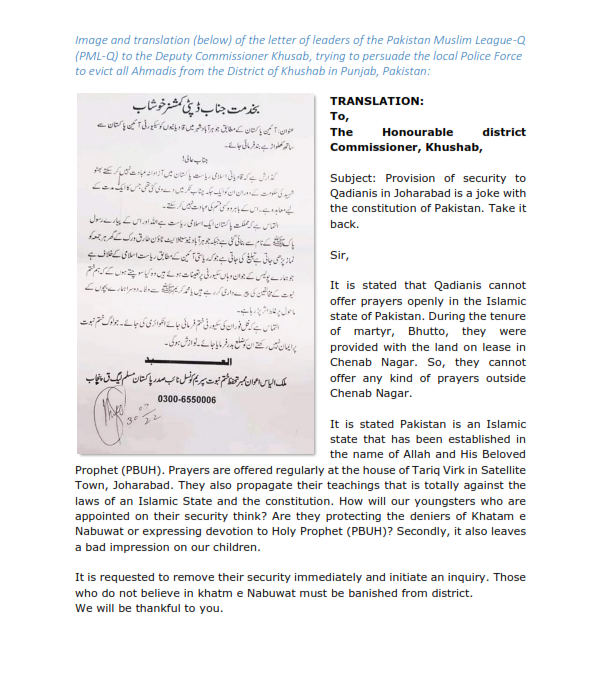
We are deeply perturbed and stressed to learn that leaders of the Pakistan Muslim League-Q (PML-Q) are trying to persuade the local Police Force to evict all Ahmadis from the District because of their faith and belief, in another horrific escalation of anti-Ahmadiyya persecution.
by CAP Liberté de Conscience | Aug 1, 2022 | CAP LC United Nations, HRC 50, news
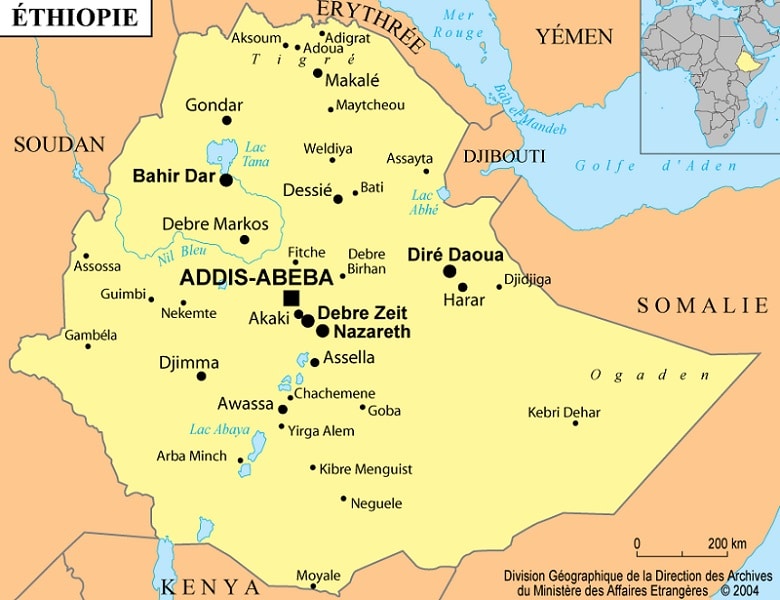
CAP Liberté de Conscience, along with Human Rights Without Frontiers and other international NGOs, are very concerned about repeated massacres of Amharas in total impunity in Ethiopia as well as mass arrests by the Ethiopian federal government of Amhara activists, journalists and other critics.
by CAP Liberté de Conscience | Jul 28, 2022 | Ahamadiyya
Pakistani Police and Mullahs spent Eid-ul-Adha this year by raiding the houses of Ahmadi Muslims, harassing, and humiliating them and registering criminal cases against them in Police Stations. Their outcry and senseless actions did not spare even visiting Ahmadis from foreign countries to join in the Eid celebrations.