 Yesterday, during the first session of the year of the Human Rights Council, the UN High Commissioner for Human Rights described “clear, ongoing patterns of violence, including killings, rape, and torture.” The High Commissioner reported that last year alone, 500 victims of sexual violence were identified, including cases of rape, gang rape, sexual torture, and sexual slavery, sometimes resulting in death.
Last week, the UN Fact-Finding Mission revealed that in El Fasher last October, mass killings and related atrocities committed by the Rapid Support Forces were “indicators of a genocidal path.” In response, the UN Security Council announced sanctions on four RSF commanders for atrocities committed during the October takeover.
As international crimes continue and new methods of warfare emerge, including the use of drones to target civilian infrastructure, it is crucial to press all parties to stop atrocities and to scrutinise any form of external involvement that facilitate them.
Investigations by field investigators and NGOs have reported external support, including from the United Arab Emirates, supplying weapons and other resources that allowed the RSF to conduct attacks against civilians. Such backing permits large-scale attacks and hostilities to continue.
As the fighting intensifies, civilians remain the most affected.
Yet, accountability remains almost absent, as the High Commissioner stressed.
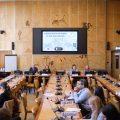
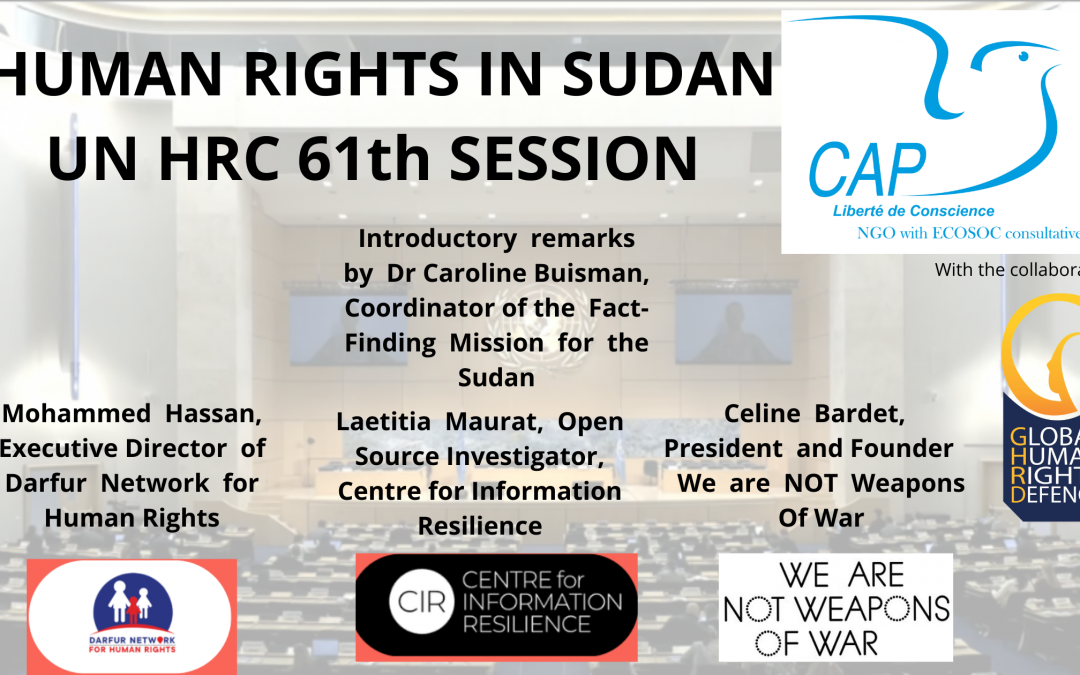
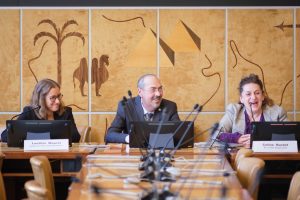
Today, I welcome the opportunity provided by the UN Human Rights Council to host this side event. It is a platform to raise awareness of the crisis in Sudan and to foster a discussion on this urgent issue in the presence of distinguished colleagues and State delegations.
I am pleased to be joined by a remarkable panel of experts on Sudan.
- Dr Caroline Buisman, Coordinator of the UN Fact-Finding Mission, who will present the latest report.
- Céline Bardet, President and Founder of We Are NOT Weapons of War, with significant expertise on sexual violence in conflict zones, who will comment on the horrific levels of sexual violence in Sudan.
- Mohammed Hassan, Executive Director of the Darfur Network for Human Rights, who will highlight the challenges of conducting investigations on the ground and discuss avenues for accountability, including sanctions against individuals and entities involved.
- Laetitia Maurat, Open-Source Investigator at the Centre for Information Resilience, who will explain how open-source investigations contribute to documenting human rights abuses and advancing investigations in Sudan.