by CAP Liberté de Conscience | Oct 4, 2026 | news, UN HRC 63
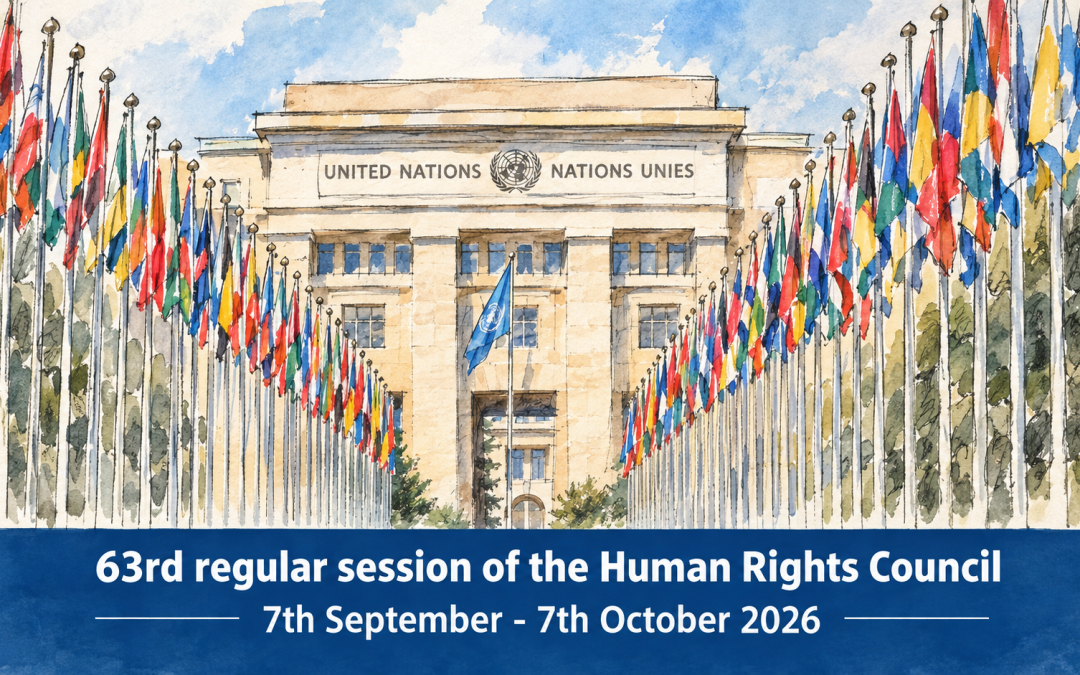
Pakistan appeared twice at the Item 9 general debate on 1 October 2026, in two different capacities. Once as the voice of others: its ambassador delivered the statement of the Organization of Islamic Cooperation to the Human Rights Council, denouncing the desecration of the Quran and attacks on mosques. Once as a target: in the NGO segment that followed, no fewer than eight organizations directed their statements at Islamabad, cataloguing enforced disappearances in Balochistan, life sentences handed down by military courts, the expulsion of 2.3 million Afghans, forced conversions of Hindu girls, and a father of three held incommunicado since a secret trial. A member state that came to accuse spent the afternoon being accused.
by CAP Liberté de Conscience | Oct 4, 2026 | news
The third issue of the Pakistan Human Rights Fact Sheet, prepared by Nazir Ahmad and published by the Coordination of Associations and Individuals for Freedom of Conscience (CAP LC), reviews reported human rights developments in Pakistan during September 2026, together with several late August items closely linked to the month’s coverage. It follows the two first issues, released in July and September 2026, and keeps the same method: developments are reported as documented, assessments are drawn conservatively, and each section identifies the human rights standards most closely engaged, from the Universal Declaration of Human Rights to the Constitution of Pakistan.
by CAP Liberté de Conscience | Oct 2, 2026 | news, UN HRC 63
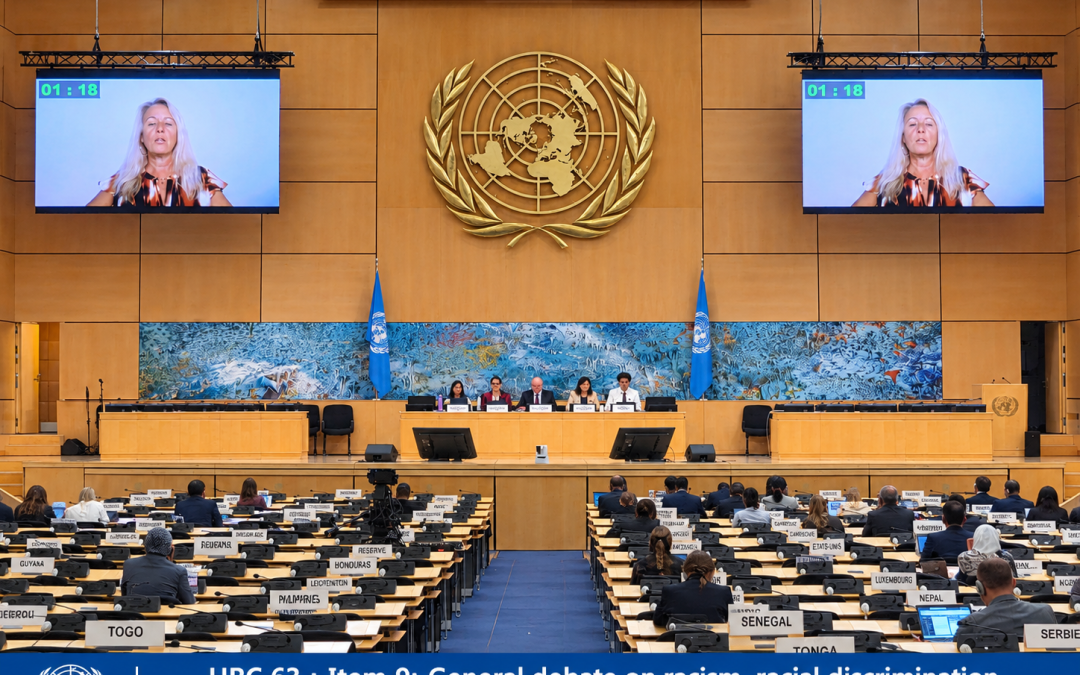
On Thursday 1 October 2026, during the general debate under Item 9 of the 63rd session of the United Nations Human Rights Council, devoted to racism, racial discrimination, xenophobia and related forms of intolerance, Christine Mirre, Vice President of CAP Freedom of Conscience, delivered a statement on behalf of the Coordination of Associations and Individuals for Freedom of Conscience,
by CAP Liberté de Conscience | Oct 2, 2026 | news, UN HRC 63
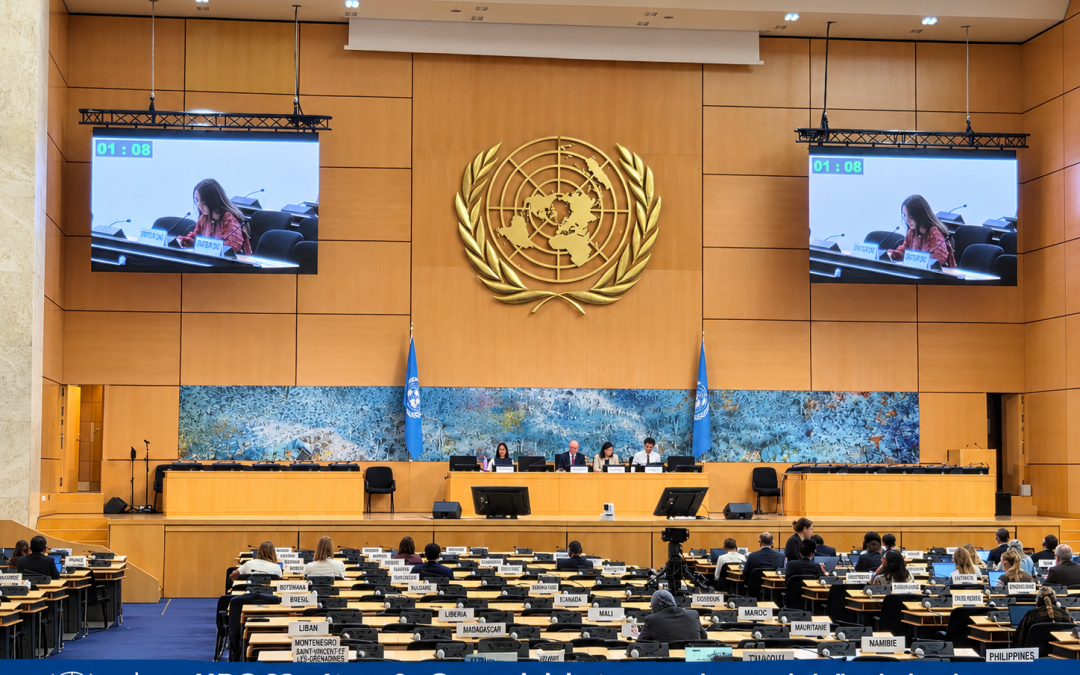
On Thursday 1 October 2026, during the general debate under Item 9 of the 63rd session of the United Nations Human Rights Council, devoted to racism, racial discrimination, xenophobia and related forms of intolerance, Talia Khan Khattak took the floor to appeal for the release of her father, Idris Khattak, a well-known Pashtun human rights defender from Pakistan.
by CAP Liberté de Conscience | Oct 2, 2026 | news
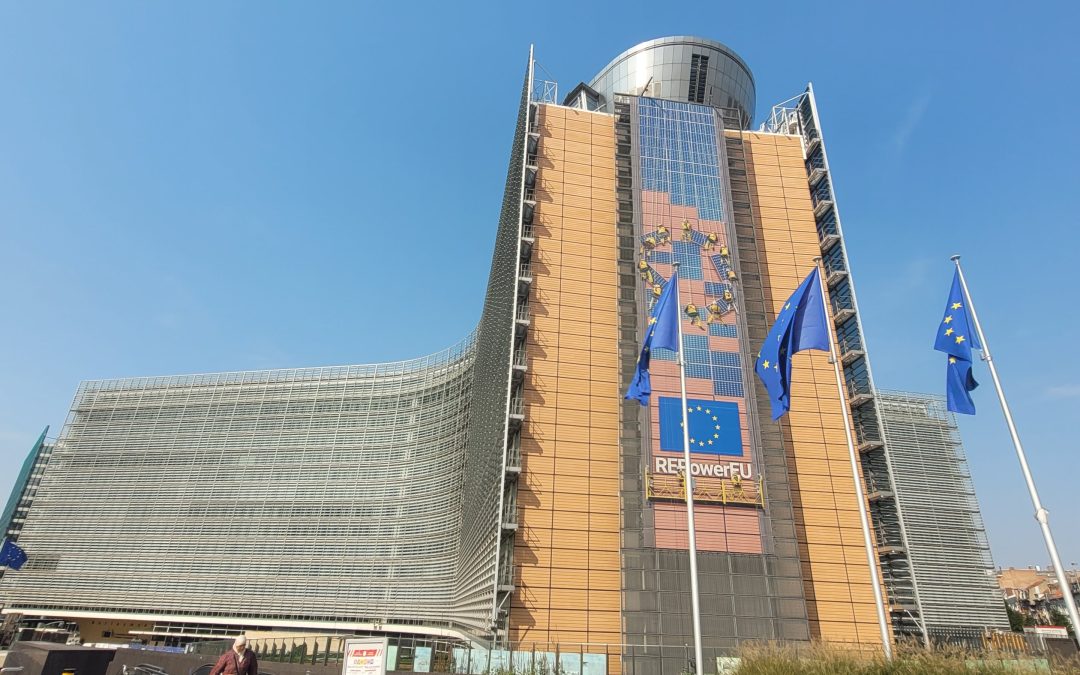
The European Commission reportedly withdrew from the 2nd European Ventotene Conference for Freedom and Democracy (10–12 September 2026) after Taiwan’s Vice-President Hsiao Bi-khim made a surprise appearance. The event was organised by the European Parliament on the Italian island where the Ventotene Manifesto, a founding text of European federalism, was written. Hsiao attended with Taiwan’s Foreign Minister Lin Chia-lung, and her visit was kept secret until the last minute for security reasons.
by CAP Liberté de Conscience | Oct 2, 2026 | news
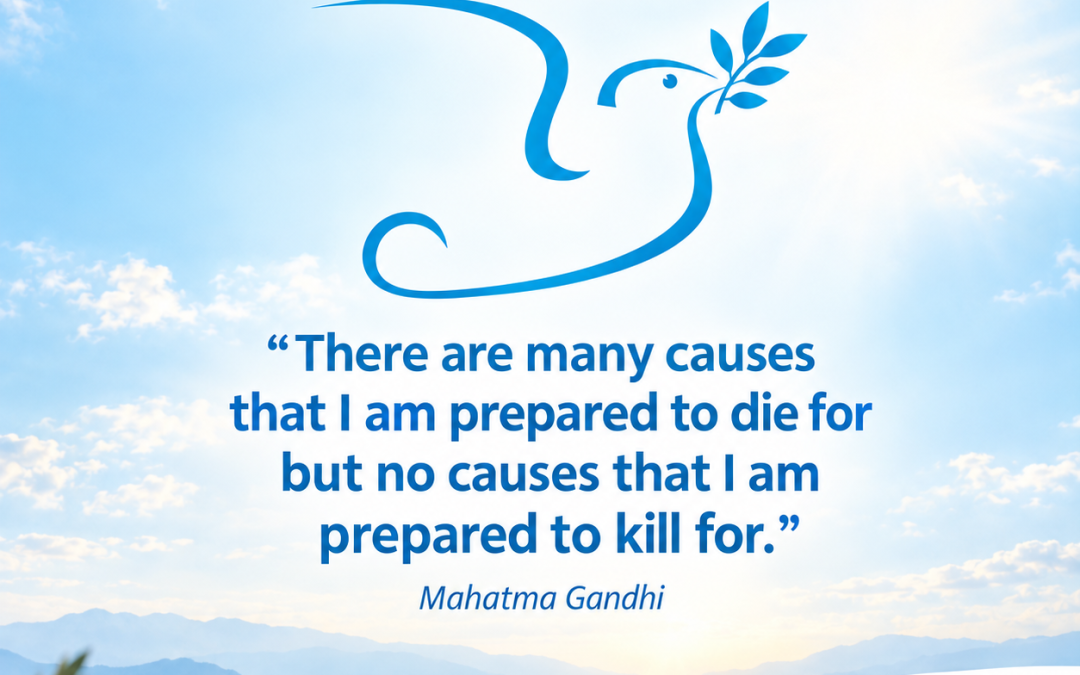
On 2 October, the world marks the International Day of Non-Violence, observed each year on the birth anniversary of Mahatma Gandhi. Established by United Nations General Assembly Resolution A/RES/61/271, adopted on 15 June 2007, the day honours the life and legacy of the man who demonstrated that moral force can overcome oppression.

by CAP Liberté de Conscience | Sep 29, 2026 | news, UN HRC 63, UN UPR
Two hundred and sixty-five recommendations, one hundred and seventy-four accepted, ninety-one merely noted. On paper, Denmark’s fourth Universal Periodic Review ended in September 2026 the way most Western reviews do: with broad acceptance and polite applause. Yet the most telling sentence of the adoption session may not belong to any state. It came from a humanist organization, which observed that not one of the 265 recommendations addressed the place of non-religious life stances in Danish law. In a session where religion, belief and belonging dominated much of the floor, that silence said as much as the speeches.

by CAP Liberté de Conscience | Sep 29, 2026 | news, UN HRC 63
“Arbitrary detention is the quietest of violations. There is no explosion, no headline. A door simply closes and a person disappears from their work, from their family, from public life.”