by CAP Liberté de Conscience | Mar 26, 2026 | HRC 61, news
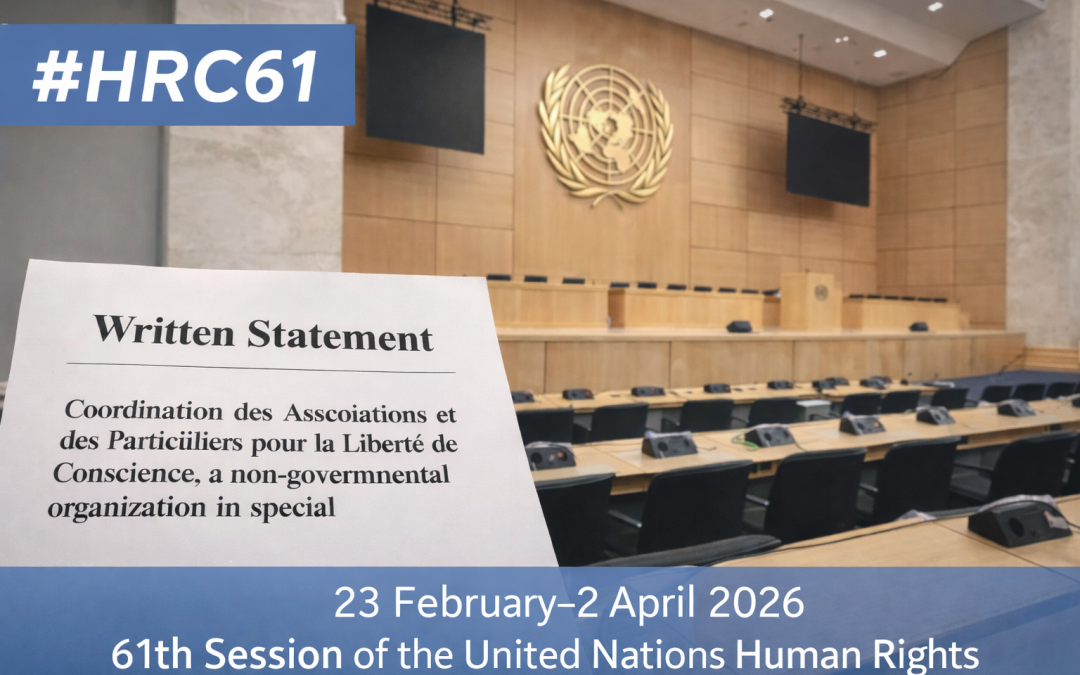
CAP LC’s UN statement denounces the severe persecution of Christian Gospel Mission members in South Korea and Taiwan. Sparked by commercial documentaries, this “digital witch hunt” utilizes guilt by association to incite harassment, job loss, and educational discrimination. The organization urges investigations into these institutional failures and calls for regulating media platforms to protect freedom of religion and prevent hate-fueled human rights violations.
by CAP Liberté de Conscience | Mar 26, 2026 | HRC 61, news
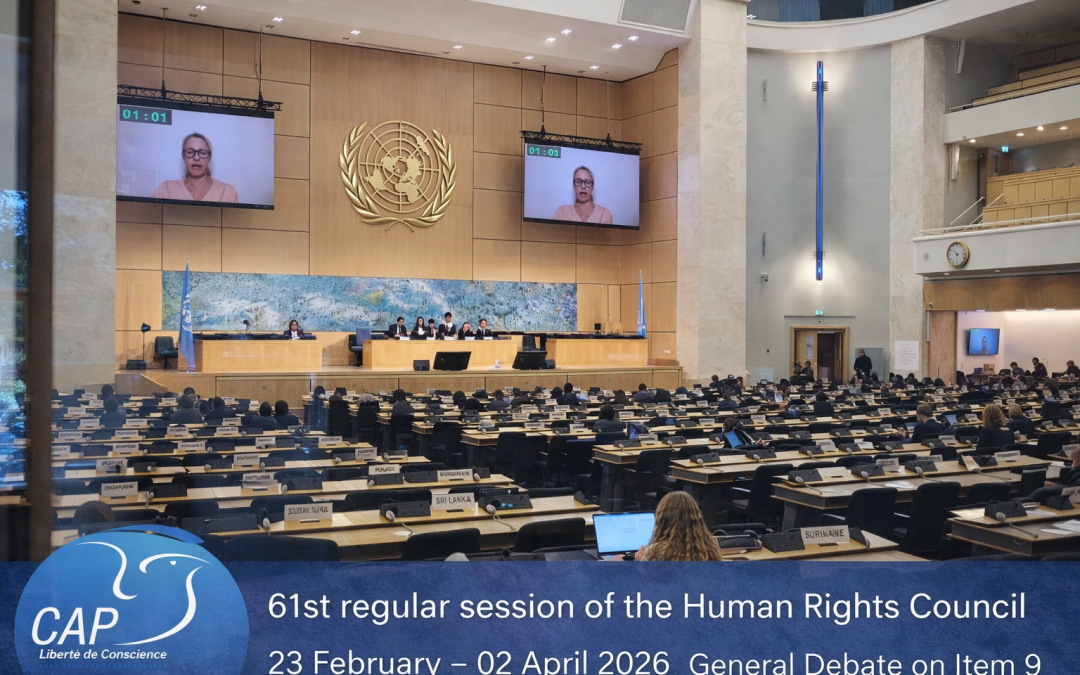
CAP LC and Human Rights Without Frontiers condemn Norway’s deregistration of Jehovah’s Witnesses as institutional discrimination. This act fosters stigmatization and contradicts the Durban Declaration. We urge the Norwegian Supreme Court to annul this decision and call on the State to ensure administrative practices uphold equality and do not target specific religious minorities.
by CAP Liberté de Conscience | Mar 26, 2026 | HRC 61, news
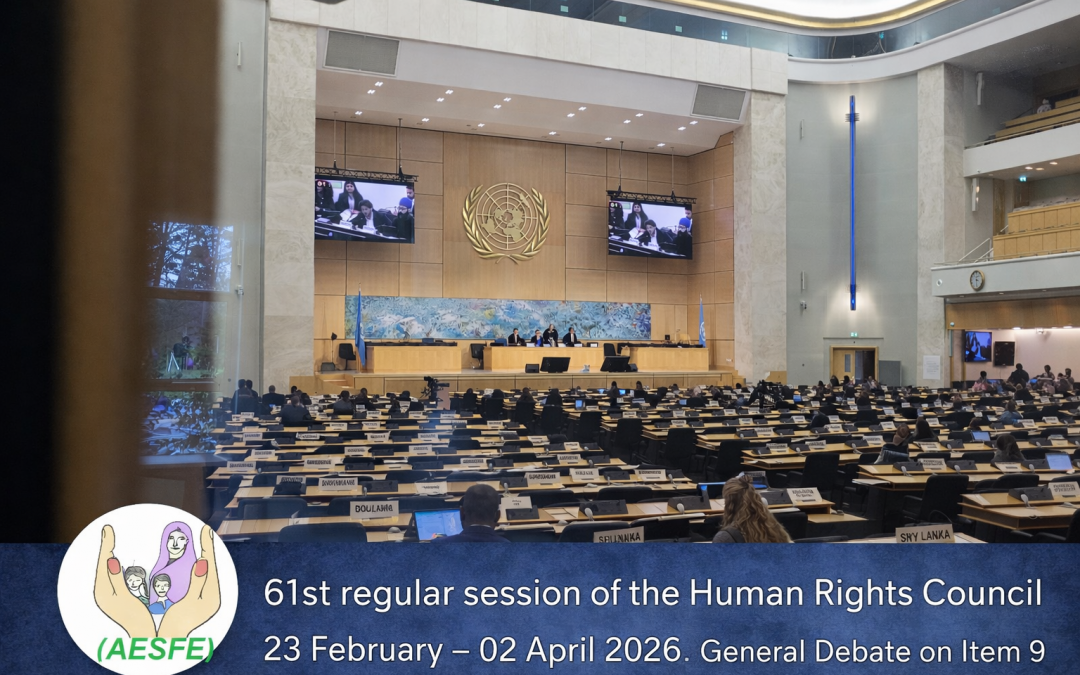
At the UN Human Rights Council, AESFE highlights the alarming rise of intolerance in Pakistan, focusing on the imprisonment of former PM Imran Khan for nearly 1,000 days. The statement details inhumane conditions, including torture in solitary confinement, and expanded blasphemy laws fostering hatred. AESFE urges the Council and OHCHR to demand immediate compliance with UN opinions and the release of all political prisoners to end this systematic persecution and restore human dignity.
by CAP Liberté de Conscience | Mar 26, 2026 | HRC 61, news
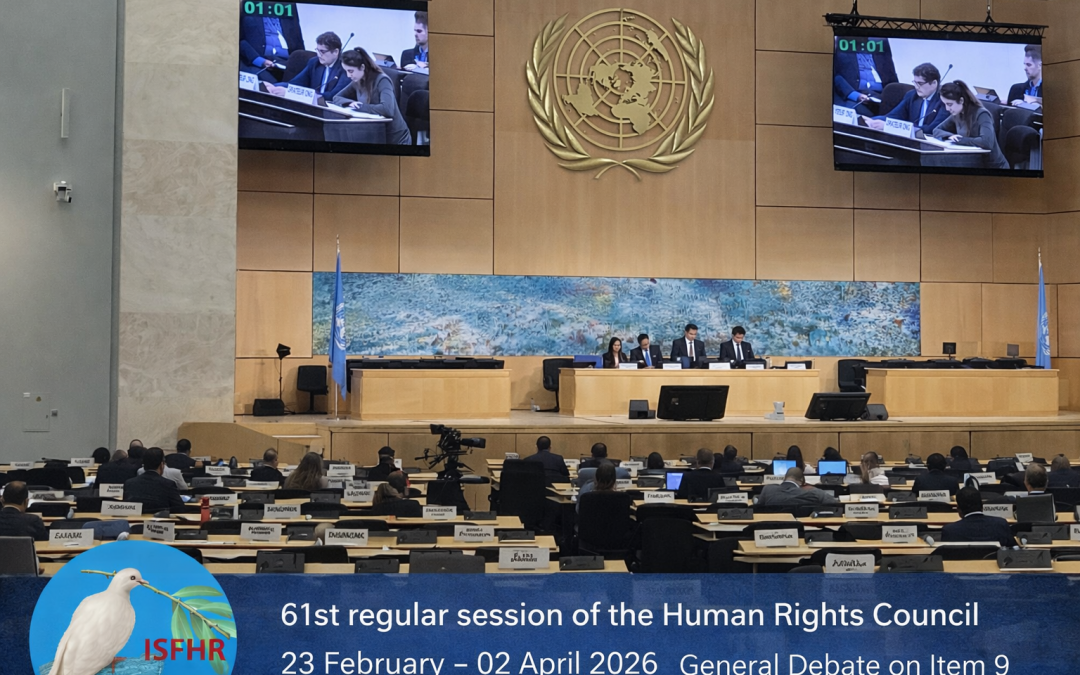
This statement condemns the arbitrary detention and torture of Egypt’s Ahmadi Religion of Peace and Light members. Since March 2025, systematic persecution, enforced disappearances, and denial of legal rights have occurred. We urge the UN to investigate these grave violations and demand Egyptian authorities immediately release the victims to uphold international human rights obligations and end religious intolerance.
by CAP Liberté de Conscience | Mar 26, 2026 | HRC 61, news
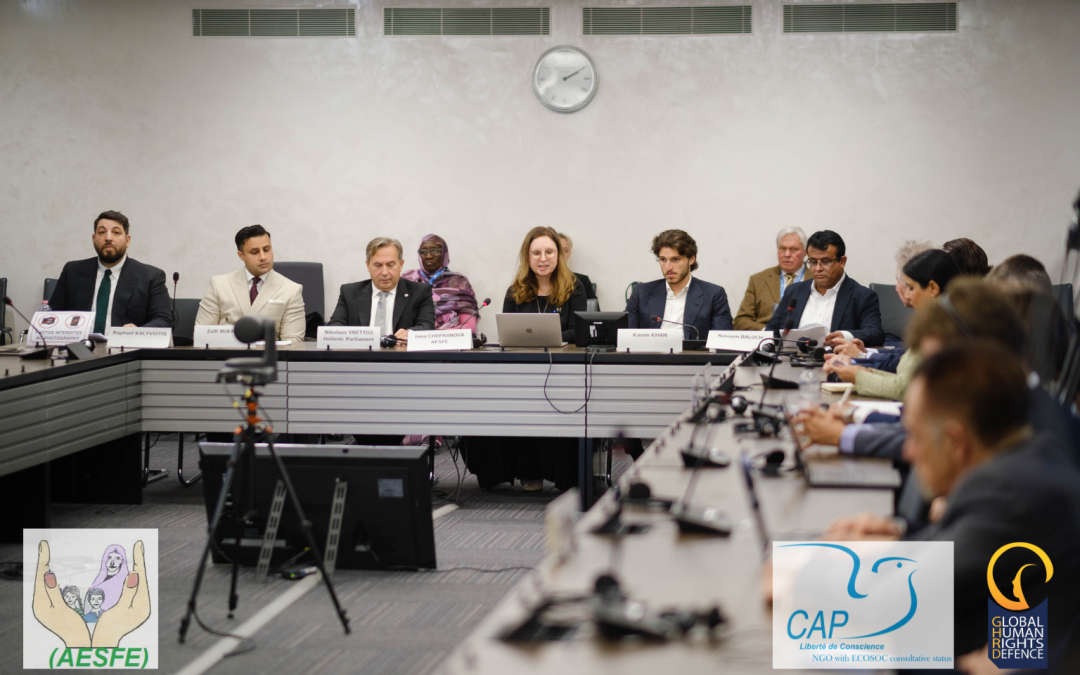
Discover why the European Union must urgently suspend Pakistan’s GSP+ status. MEPs and activists denounce systematic human rights violations, from the persecution of religious minorities to severe repression in Balochistan. While Pakistan benefits from EU market access, compliance with international conventions remains absent. This conference calls for immediate action to strictly link trade privileges with fundamental freedoms. Essential insights into the future of ethical trade relations and EU accountability.
by CAP Liberté de Conscience | Mar 19, 2026 | HRC 61, news
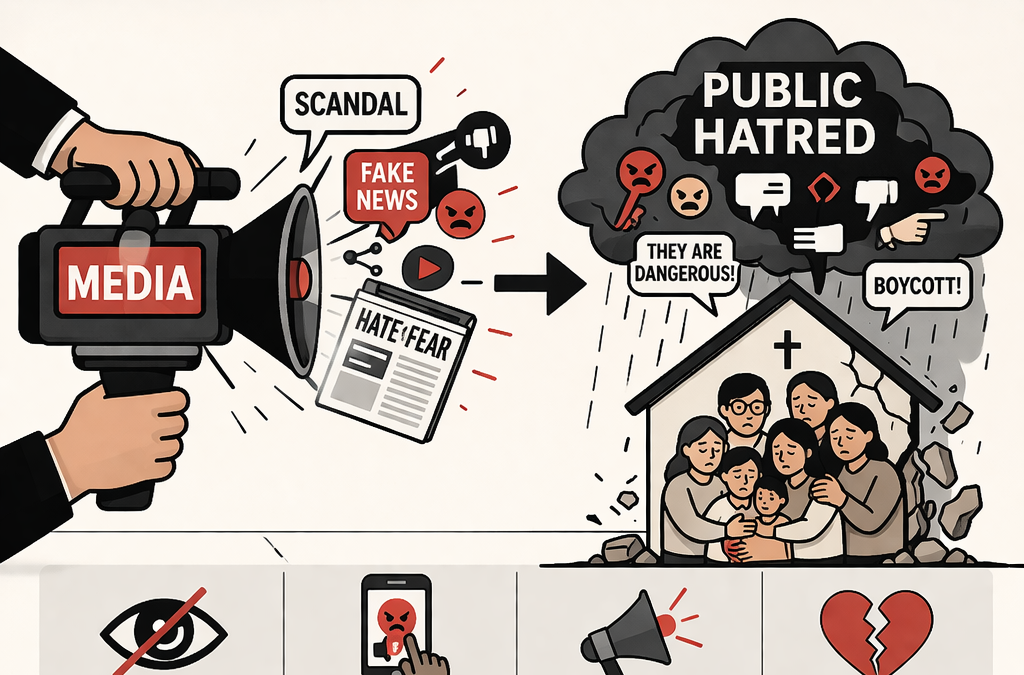
CAP Liberté de Conscience (CAP LC) addressed the UN Human Rights Council (HRC 61) on the dangerous link between sensationalist media and violence against religious minorities. Applying the WHO’s “Public Health Approach to Violence Prevention,” we highlighted how media stigmatization acts as a precursor to physical attacks. Citing the “digital witch-hunt” against the Christian Gospel Mission and a recent hammer assault in Taiwan, we called for a UN expert group to monitor media bias and protect believers from persecution fueled by online hate.
by CAP Liberté de Conscience | Mar 18, 2026 | HRC 61, news
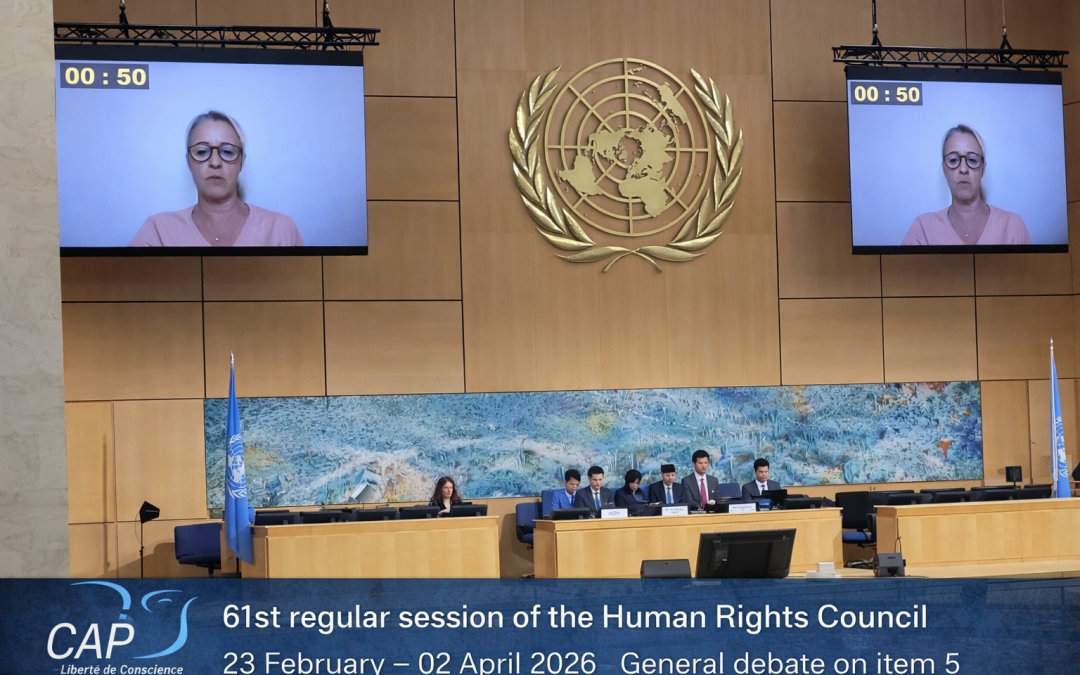
Sensationalist media coverage triggers systematic violence against religious minorities worldwide. Following the Public Health Approach to Violence Prevention, stigmatization by mainstream and digital platforms—such as Netflix documentaries on Jehovah’s Witnesses or South Korean coverage of Gospel Mission—precedes persecution and violence. Recent cases include hammer attacks on Shincheonji members in Taiwan. We urge the Human Rights Council to establish an expert group monitoring media-driven discrimination to protect believers from state and online violence fueled by inflammatory content.
by CAP Liberté de Conscience | Mar 17, 2026 | HRC 61, news
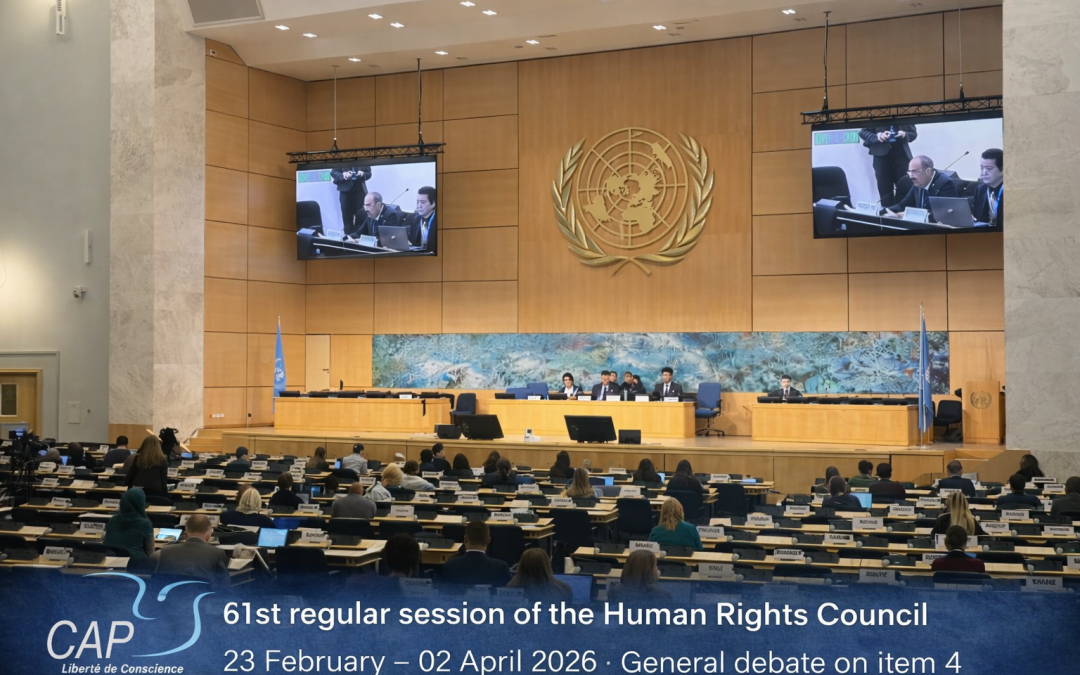
This statement draws urgent attention to the systematic persecution of Christian Gospel Mission members between 2023 and 2026. Following Netflix documentaries in 2023 and 2025, thousands of believers—accused of no crime—faced discrimination, doxxing, and violence. In Taiwan, 4,500 members suffered threats and public shaming. In South Korea, over 160 sworn statements document exclusion. Economic boycotts destroyed businesses; educators and professors lost jobs solely for their faith