By CAP Liberté de Conscience Feb 2026
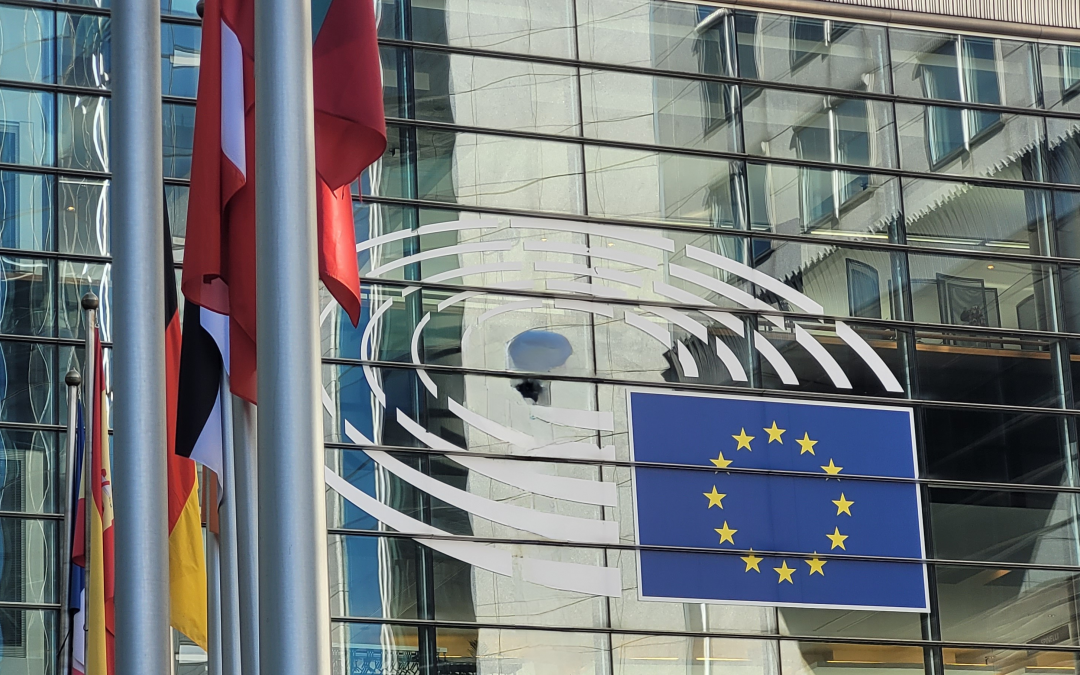
On 12 February 2026, the European Parliament adopted Resolution P10_TA(2026)0046 addressing systemic oppression, inhumane conditions and arbitrary detentions by the Iranian regime. This text represents the institution’s continued engagement with human rights violations in Iran, building upon multiple prior parliamentary resolutions on the country. The resolution was adopted under emergency procedures (Rule 150(5) and 136(4)), underscoring the urgency with which the Parliament views the situation.
The resolution presents a comprehensive assessment of documented human rights violations within Iran’s borders. Central to the Parliament’s findings is the claim that the Iranian government systematically employs arbitrary arrests, enforced disappearances, torture, extrajudicial killings, capital punishment, sexual violence, collective punishment and inhumane detention conditions as mechanisms of political control. Mortality estimates associated with recent protest movements range from several thousand to over 35,000 individuals, encompassing women, children and elderly persons. The Parliament notes that EU citizens are among those killed.
Documentation indicates that tens of thousands of arrests have occurred during this period, with the actual scale potentially underreported due to lack of international monitoring access. Detained individuals face systematic denial of fundamental procedural protections, including access to legal counsel, family contact and adequate medical treatment. Torture methodologies documented in testimony include sleep deprivation and other forms of ill-treatment, alongside coerced confessions. The Parliament explicitly asserts that these documented acts meet the international legal threshold for crimes against humanity.
The resolution identifies the Islamic Revolutionary Guard Corps (IRGC) as playing a central operational role in these repression mechanisms, functioning without meaningful institutional accountability. This assessment gained particular significance given the European Union’s formal designation of the IRGC as a terrorist organization.
The resolution extends specific attention to the persecution of communities defined by ethnicity, religious belief and political conviction. Kurds, Baluchis, Ahwazi Arabs, Baha’is and Christians are identified as communities experiencing targeted repression. Women constitute both a primary target of systemic oppression and a focus of the Parliament’s advocacy, with particular emphasis on the case of Nobel Prize laureate Narges Mohammadi, detained for her human rights advocacy.
The resolution also addresses transnational repression mechanisms, highlighting cases such as Mohammad Amer Dadafarzin, son of human rights defender Fariba Baloch, held in arbitrary detention and subjected to torture in apparent retaliation for his mother’s advocacy work and testimony before Parliament itself. This dimension underscores how repression extends beyond national borders through coercion by proxy.
The Parliament expressed particular concern regarding Iran’s election as Vice-Chair of the United Nations Commission for Social Development, characterizing this outcome as undermining international accountability frameworks. The resolution likewise deplored reports that the UN Secretary-General conveyed congratulations to the regime on the occasion of the Islamic Revolution anniversary, viewing such diplomatic gestures as legitimizing a government responsible for mass atrocities.
The Parliament’s resolution contains multiple actionable recommendations directed toward EU institutions, Member States and international bodies. These include: immediate abolition of capital punishment; release of all persons held in arbitrary detention, including foreign and dual nationals; cessation of violence against civilian populations; and cessation of targeting medical professionals for treating injured protesters.
Concerning accountability, the Parliament calls for independent UN documentation of atrocities, evidence preservation for future prosecutions and referral of Iran to the International Criminal Court through the UN Security Council. Regarding sanctions, the Parliament urges expansion of targeted measures including asset freezes and travel bans against responsible government officials, IRGC members, prosecutors and prison officials, coupled with enforcement mechanisms preventing circumvention.
The Parliament further urges EU institutions and Member States to develop counter-strategies addressing what it terms “hostage diplomacy,” provide humanitarian protection to individuals facing mortal risk and support restoration of internet access within Iran.
This resolution reflects the European Parliament’s commitment to universal human rights standards enshrined in the International Covenant on Civil and Political Rights and the Universal Declaration of Human Rights. The emphasis on documenting crimes against humanity and establishing accountability mechanisms aligns with international legal obligations to prevent impunity for mass violations.
The resolution’s attention to religious and belief-based persecution directly engages with Article 18 of the ICCPR and corresponding international standards protecting freedom of religion or belief—areas that remain central to CAP Liberté de Conscience’s advocacy work within European and international institutions.
Related posts:
 Oral Statement – 39th Special Session of the UN Human Rights Council on Iran
 CAP Liberté de Conscience Joins Global Coalition Petitioning UN for Emergency Action on Iran
 European parliament raises urgent questions on antisemitism in Eu schools following UNESCO survey
 The United Nations High Commissioner for Human Rights Addresses Critical Violations in Sudan: Key Findings and International Recommendations