by CAP Liberté de Conscience | Feb 10, 2026 | CAP LC United Nations, news
Survivors of the attacks in El Fasher report mass atrocities and killings committed by the Rapid Support Forces after a year and a half of siege under horrific conditions, with no access to basic necessities. Civilians who fled describe widespread violence, including torture, kidnappings for ransom, sexual violence, disproportionately affecting women and girls, and summary executions as they attempted to escape. More than 1,000 days into the conflict, atrocities persist, and large-scale attacks are becoming a recurring pattern. Immediate and collective action is required to cease these crimes and prevent similar atrocities in other regions of Sudan.
by CAP Liberté de Conscience | Feb 8, 2026 | HRC 61, news
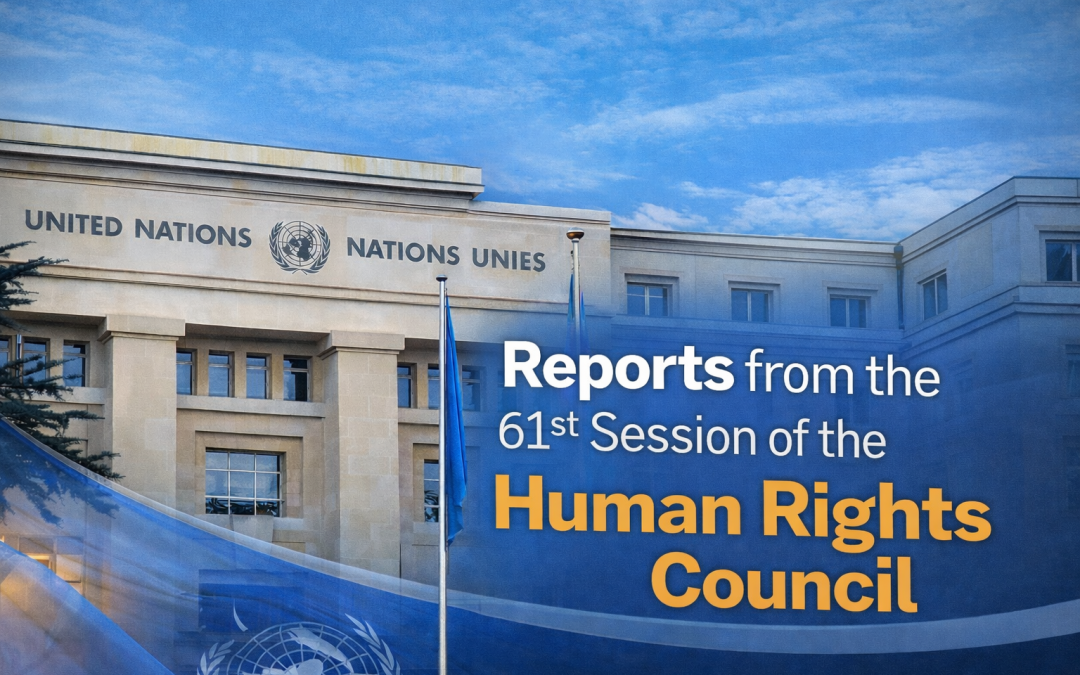
The report “How freedom of religion or belief relates to death and honouring the deceased” (A/HRC/61/50) was published on 7 January 2026 by the United Nations Human Rights Council. The document was authored by Nazila Ghanea, UN Special Rapporteur on freedom of religion or belief, and submitted to the Council’s sixty-first session pursuant to resolution 58/5.

by CAP Liberté de Conscience | Sep 11, 2024 | HRC 57, news
The Ahmadi Religion of Peace and Light is a small community in Jordan that faces ongoing challenges, including harassment from authorities, threats of violence, and exclusion from society due to their divergent beliefs from traditional Muslim views. Their beliefs include that the real Kaaba is in Petra, Jordan rather than Mecca, that prophets made mistakes, that fixed prayer times are unnecessary, and that alcohol can be consumed moderately. They also accept LGBTQ people in their community.

by CAP Liberté de Conscience | Sep 11, 2024 | HRC 57, news
The written statement discusses the issue of discrimination against spiritual minorities through the abuse of taxes. It argues that religious and spiritual groups have a right to truth, justice, reparation, and recovery when they have been unjustly discriminated against and persecuted.
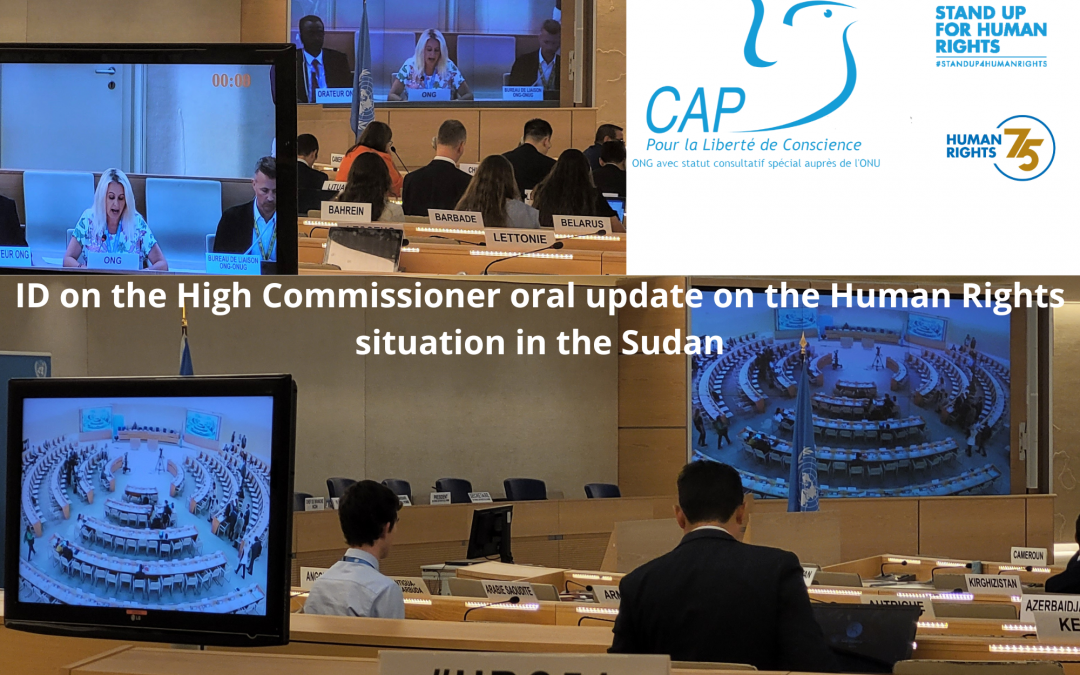
by CAP Liberté de Conscience | Sep 17, 2023 | HRC 54
We are deeply shocked by the escalation of violence in the conflict in Sudan, which has reached unprecedented levels of atrocity, without any of the points in the resolution adopted by this Council on May 11 having led to pacification.