by CAP Liberté de Conscience | Oct 24, 2013 | CAP LC Europe, EU Parliament
Some other speakers will speak of the good practices that exist in Europe regarding the treatment of religious minorities but I will have the difficult task of describing a country with a system which is known for its discriminatory and bad practices. Unfortunately, I know this country pretty well, as it is mine: France.
by CAP Liberté de Conscience | Oct 23, 2013 | news
My name is Raffaella Di Marzio. I’ve been running the Centre for Information and Advise – Sect, Religions and Spirituality in Rome for 12 years. I’ve been studying and researching the phenomenon and the spreading of religious and spiritual minorities...
by CAP Liberté de Conscience | Oct 1, 2013 | CAP LC Europe, OSCE
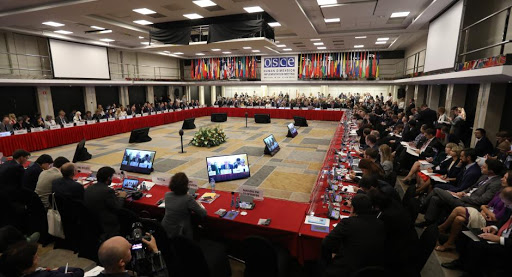
For years, France has had a policy of stigmatization and negative stereotyping of minorities of religion or belief it has labeled as “sects” or, more recently as “sectarian movements”. This derogatory classification corresponds to the improper assessment of religion or beliefs and the consideration that some of them, new or minority ones not belonging to traditional Churches or Institutions, are “deviant” and constitute “sectarian drifts”.
by CAP Liberté de Conscience | Sep 22, 2013 | France
Several freedoms and rights guaranteed by UN instruments were violated in French and Japanese cases of abduction, confinement for the purpose of forceful religious de-conversion. However, the treatment of such cases was very different in France and in Japan. Freedom...
by CAP Liberté de Conscience | Sep 22, 2013 | news
Kingdom Hall of Jehovah’s Witnesses attacked in Ajaccio, Corsica: Manuel Valls keeps silence Corse Matin (02.08.2013) – An apparent firebomb attack was directed against a Jehovah’s Witness meeting hall on the evening of 31st July in the city of...