by CAP Liberté de Conscience | Mar 14, 2026 | HRC 61, news
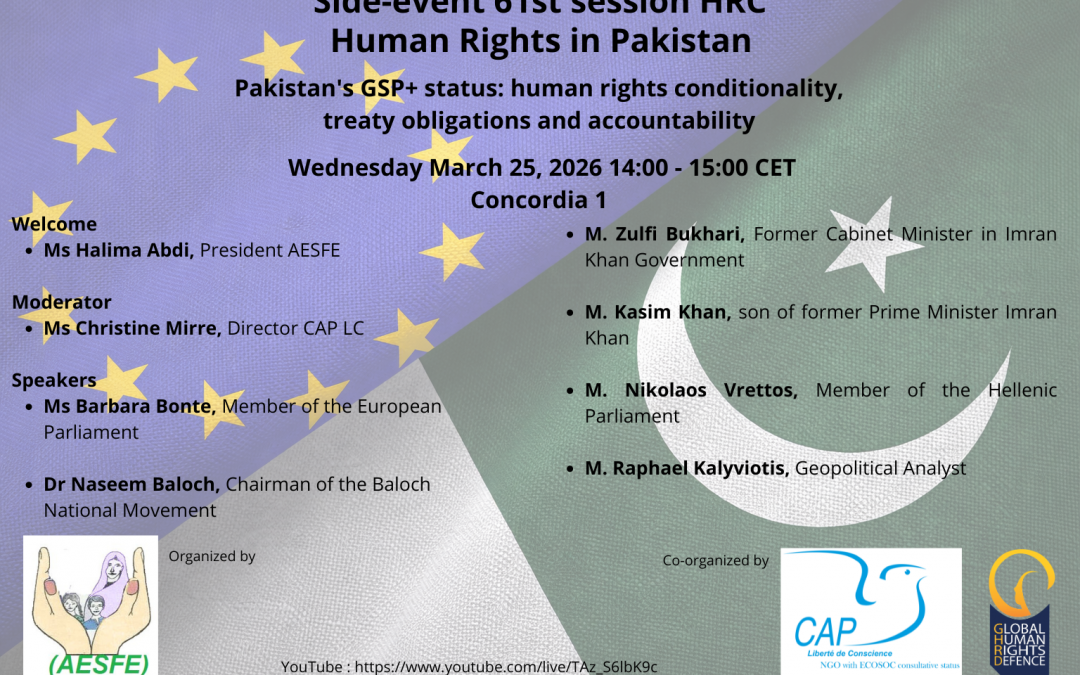
This side event critically examines Pakistan’s GSP+ trade status, questioning whether human rights conditionality is being rigorously enforced in line with international obligations. By combining legal analysis with victim testimonies, it aims to expose the gap between treaty commitments and the on-the-ground reality for those affected by abuses.
by CAP Liberté de Conscience | Mar 11, 2026 | France
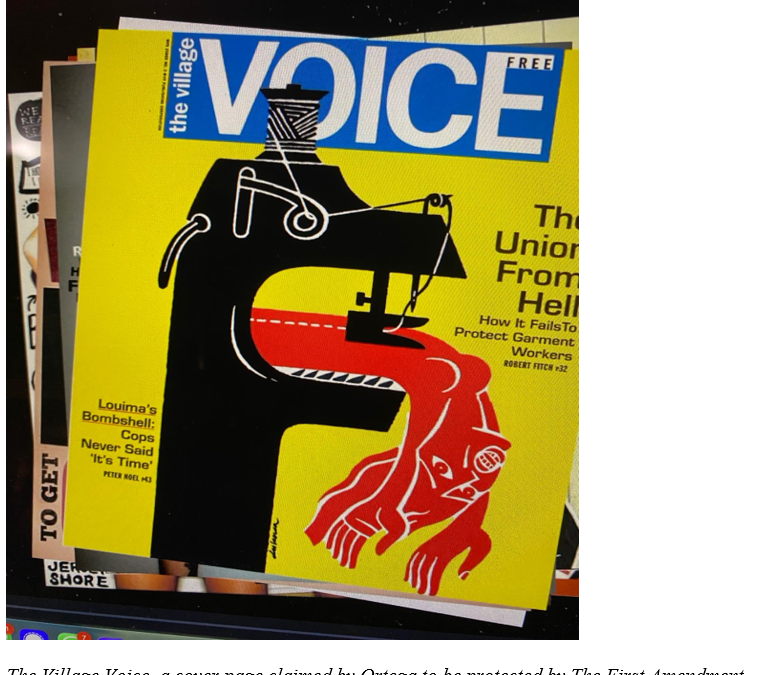
FRANCE TV a récemment sollicité Tony Ortega comme expert, un choix jugé discutable. Ancien rédacteur en chef du Village Voice, il a défendu Backpage.com, une plateforme impliquée dans la prostitution et le trafic d’enfants, en invoquant le Premier Amendement. Alors que les dirigeants de ce site ont été lourdement condamnés pour trafic et blanchiment d’argent, le passé d’Ortega en tant qu’apologiste de ces activités jette un doute sérieux sur son éthique et sa légitimité médiatique. Coleman de conclure : « Les médias doivent être conscients que donner une tribune à Tony Ortega détruit instantanément leur crédibilité, car personne n’utilise un apologiste du trafic sexuel d’enfants comme « source » dans ses articles. »
by CAP Liberté de Conscience | Mar 7, 2026 | HRC 61, news
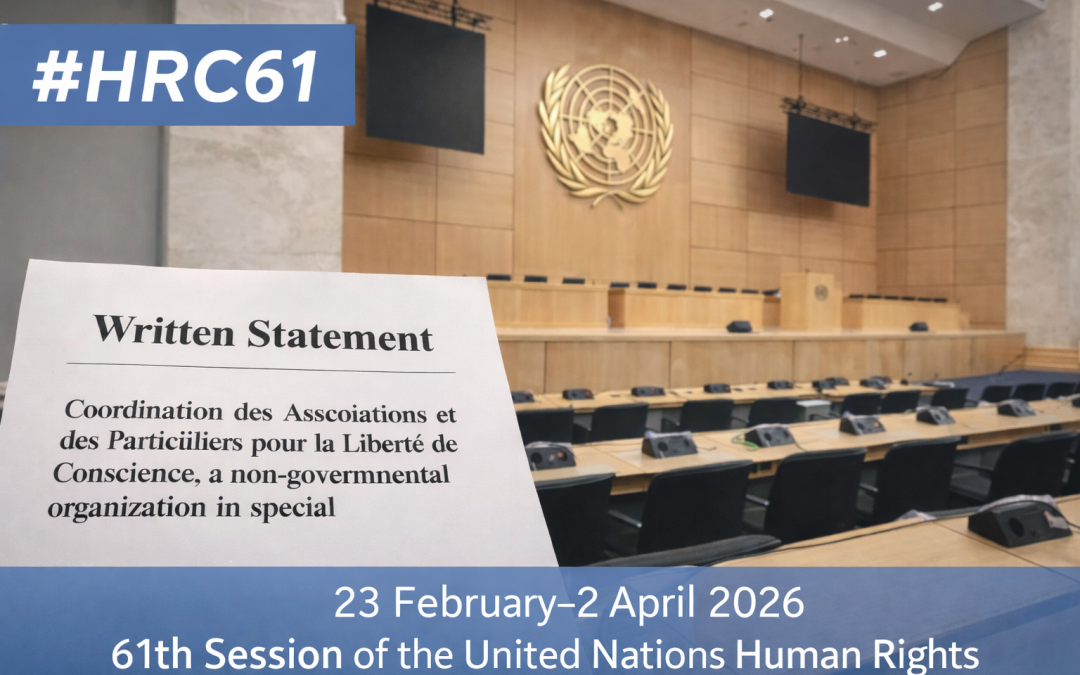
During the 61st Human Rights Council session, CAP LC presented a written statement on the weaponization of tax law against spiritual minorities in Taiwan. It examines the Tai Ji Men case, involving perpetual tax bills despite judicial acquittals, resulting in sacred land seizure. The statement identifies structural tax administration flaws violating international human rights covenants, undermining religious freedom and due process. CAP LC urges resolution of the Tai Ji Men case and reforms ensuring taxation isn’t used discriminatorily against religious groups.
by CAP Liberté de Conscience | Mar 6, 2026 | HRC 61, news
CAP Liberté de Conscience presented a statement to the Human Rights Council regarding Russian spiritual teacher Konstantin Rudnev’s arbitrary detention in Argentina. Arrested following misunderstandings and unsubstantiated accusations of being a “cult leader,” Rudnev remains in pretrial detention despite lack of evidence. He faces due process violations and inadequate medical care with declining health. The organization argues his imprisonment violates religious freedom and liberty rights, based on imported disinformation rather than actual crimes. CAP LC demands his immediate release on humanitarian grounds.

by CAP Liberté de Conscience | Mar 5, 2026 | France
Dans une décision historique — et profondément troublante —, la Haute Cour de Tokyo a confirmé aujourd’hui l’ordre du gouvernement de dissoudre la Fédération des familles pour la paix mondiale et l’unification (FFWPU) au Japon, anciennement connue sous le nom d’Église de l’unification, fondée par Sun Myung Moon (1920-2012)
by CAP Liberté de Conscience | Mar 3, 2026 | HRC 61, news
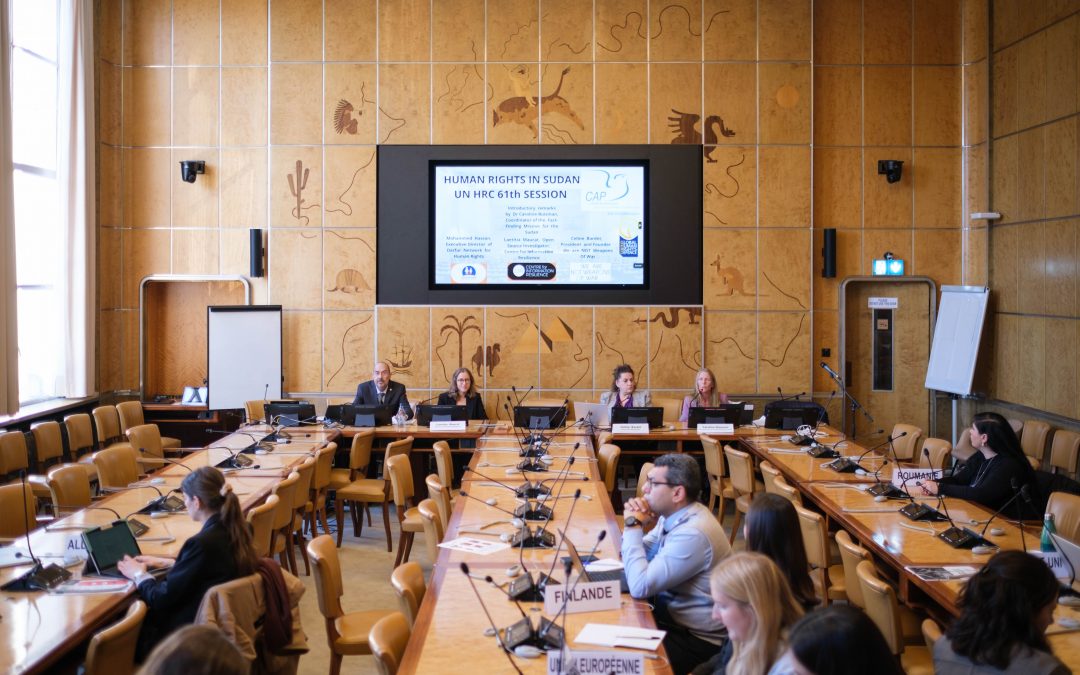
“1000 days of conflict. 1000 days of civilians suffering the first-hand consequences of the fighting”, opened Thierry Valle, President of CAP Freedom of Conscience, at the side event on Friday 27 February 2026, held at the UN Human Rights Council, as atrocities continue unabated.
by CAP Liberté de Conscience | Mar 2, 2026 | HRC 61, news
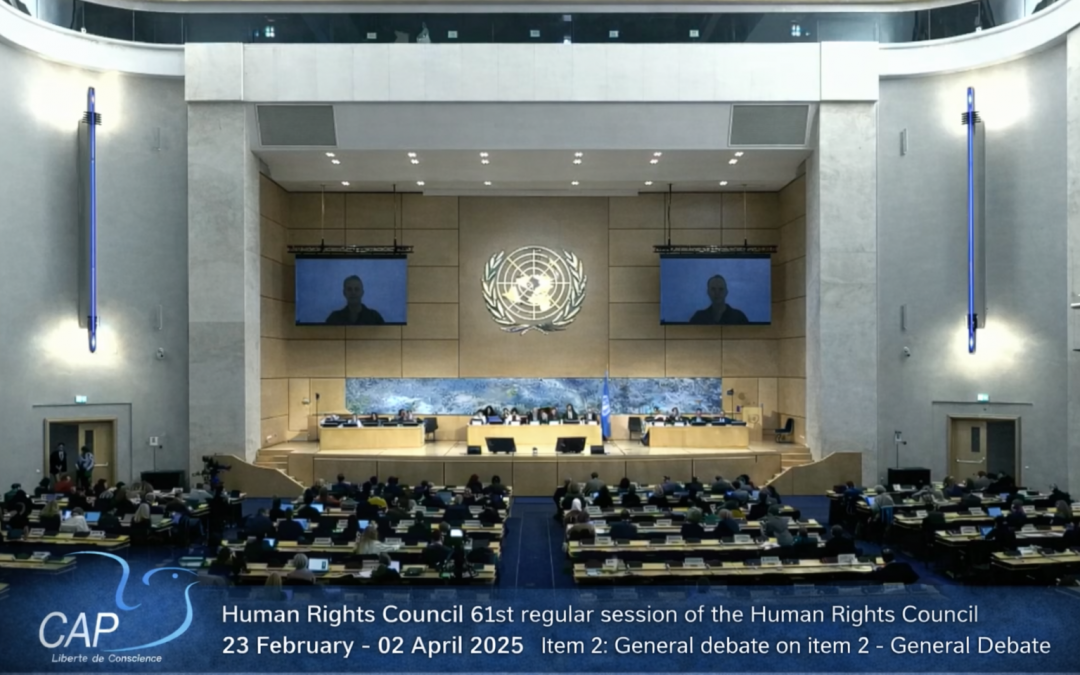
Sudan conflict: civilians face executions, torture, sexual violence. UAE supports RSF forces enabling atrocities. States must end support, investigate crimes, prevent prolonged suffering

by CAP Liberté de Conscience | Mar 2, 2026 | CAP LC Event Coming, news
The 228 Incident warns against unchecked authority. Taiwan’s Tai Ji Men case reflects similar concerns: administrative actions contradicting court rulings undermine rule of law and religious freedom protections under international human rights standards