CAP Liberté de Conscience April 2026
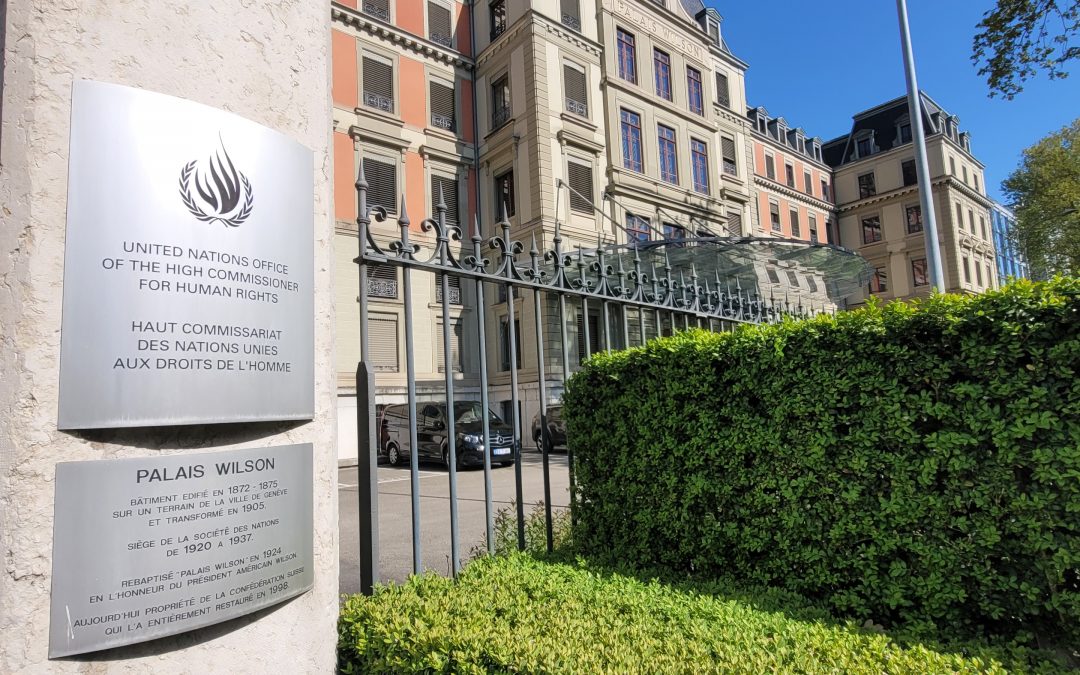
On the occasion of the 84th Session of the United Nations Committee Against Torture (CAT) in Geneva, CAP Liberté de Conscience participated in a pre-session meeting held at Palais Wilson. This consultation with CAT experts took place prior to the official review of Pakistan, offering a platform to present our joint report with the International Human Rights Committee (IHRC). Our submission highlights Pakistan’s systemic failure to comply with the Convention, specifically focusing on the persecution of the Ahmadiyya Muslim community. We provided a legal analysis of emblematic cases of custodial death, arbitrary detention, and judicial complicity in torture. Below is the full text of the oral statement delivered to the Committee experts, alongside the comprehensive report detailing these grave human rights violations.
I speak on behalf of CAP Liberté de Conscience, jointly with the International Human Rights Committee. We welcome the review of Pakistan. and present a focused legal analysis concerning the deprivation of liberty and treatment in custody of the Ahmadiyya Muslim Community, highlighting two emblematic cases.
First, the custodial death of Dr. Tahir Mahmood in May 2025. Dr. Mahmood was arbitrarily detained for the peaceful exercise of his faith, specifically offering Friday prayers. While in custody, he was subjected to severe physical beatings aimed at coercing him to renounce his religion, satisfying the definition of torture under Article 1. Crucially, despite exhibiting clear signs of acute distress—including oral blisters and an inability to swallow—prison authorities deliberately denied him adequate medical care. This State-inflicted suffering, compounded by the failure of judicial authorities to protect him from a mob attack within the courtroom, constitutes cruel, inhuman or degrading treatment under Article 16. The absence of an independent investigation into his death engages the State’s responsibility under Article 12.
Second, the case of Mr. Mubarak Ahmad Sani, sentenced to life imprisonment in December 2025. His conviction rests solely on peaceful religious acts: memorizing the Holy Quran and distributing religious texts. This criminalization of pious devotion constitutes degrading punishment. Furthermore, under Article 2, Pakistan has failed to prevent foreseeable risks to Mr. Sani. Given the extreme stigmatization attached to blasphemy charges, the State knowingly exposes him to a heightened risk of torture and ill-treatment by fellow inmates and prison personnel.
Mr. Chair, these cases demonstrate that detention conditions in Pakistan are weaponized to punish religious identity.
We urge the Committee to recommend that Pakistan ensure the physical safety of Mr. Sani, conduct an impartial inquiry into Dr. Mahmood’s death, and align its penal code with its obligations under the Convention.
I thank you.
Related posts:
 UN Submission: Pakistan’s Compliance with the Convention Against Torture and the Persecution of the Ahmadiyya Community
 YURII SHELIAZHENKO*, conscientious objector to military service and human rights defender, under immediate threat
 Oral Statement – 39th Special Session of the UN Human Rights Council on Iran