by CAP Liberté de Conscience | Nov 11, 2022 | Ahamadiyya, news, UN UPR
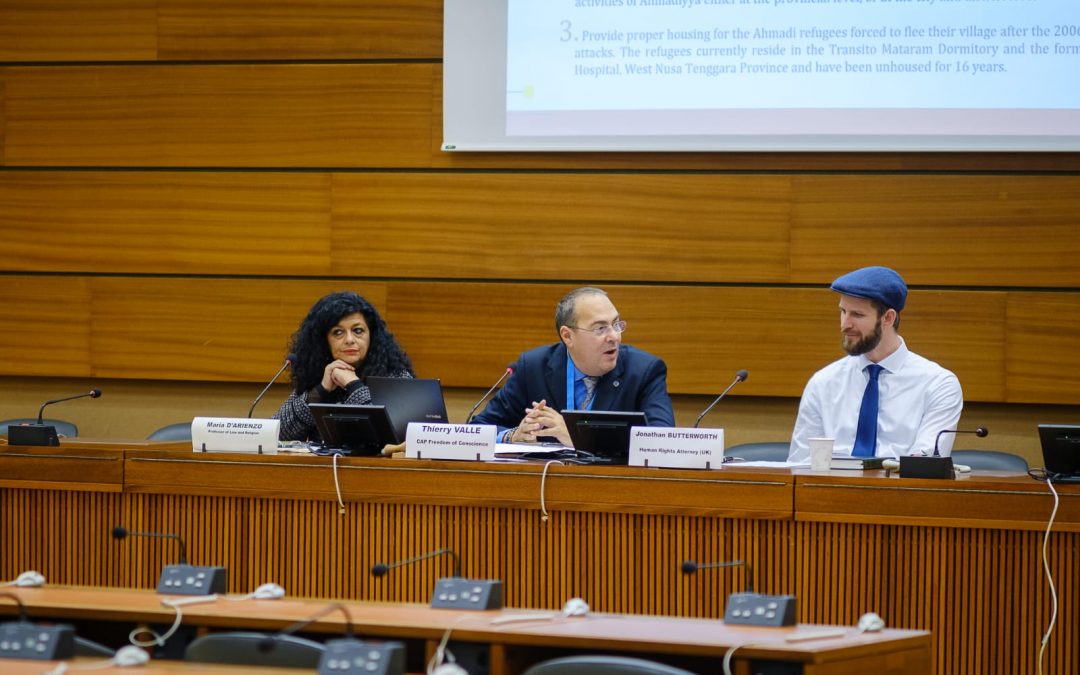
THE-QUASI GOVERNMENTAL INDONESIAN COUNSEL OF ULEMA(MUI) HAS DECLARED AHMADI MUSLIMS AS “DEVIANT” AND HERETICAL TO ISLAM–PERPETUATING VIOLENCE AGAINST THE COMMUNITY 2008 JOINT MINISTERIAL DECREEEST ABLISHED LEGAL RESTRICTIONS ON FREEDOM OF BELIEF FOR AHMADI MUSLIMS IN INDONESIA DESTRUCTIO OF AHMADI MUSLIM MOSQUES &P ROHIBITION ON BUILDING NEW PLACES OF WORSHIP BANS ON LITERATURE BELONGING TO THEAHMADIYYAMUSLIM COMMUNITY LACK OF ADEQUATE HOUSING FOR MEMBERS OF THE COMMUNITY WHOSE HOMES WERE DESTROYED BY INDONESIAN MILITANTS
by CAP Liberté de Conscience | Nov 11, 2022 | Ahamadiyya, CAP LC Event Coming, news, UN UPR
CAP Liberté de Conscience is a secular European created in 1995 and dedicated to protect the Right of Freedom of Religion and Belief. We combats all forms of discrimination based on religion or belief by alerting European and International bodies. We collects testimonies of discrimination and human rights violations affecting religious or belief communities in order to disseminate them to international bodies, and in order to raise awareness and inform them as well as to generate debate on the protection of Freedom of Religion and Belief. We also advocates for any religious or spiritual group facing discrimination to have their right to Freedom of Religion and Belief recognized.
by CAP Liberté de Conscience | Nov 1, 2022 | CAP LC Event Coming, news, UN UPR
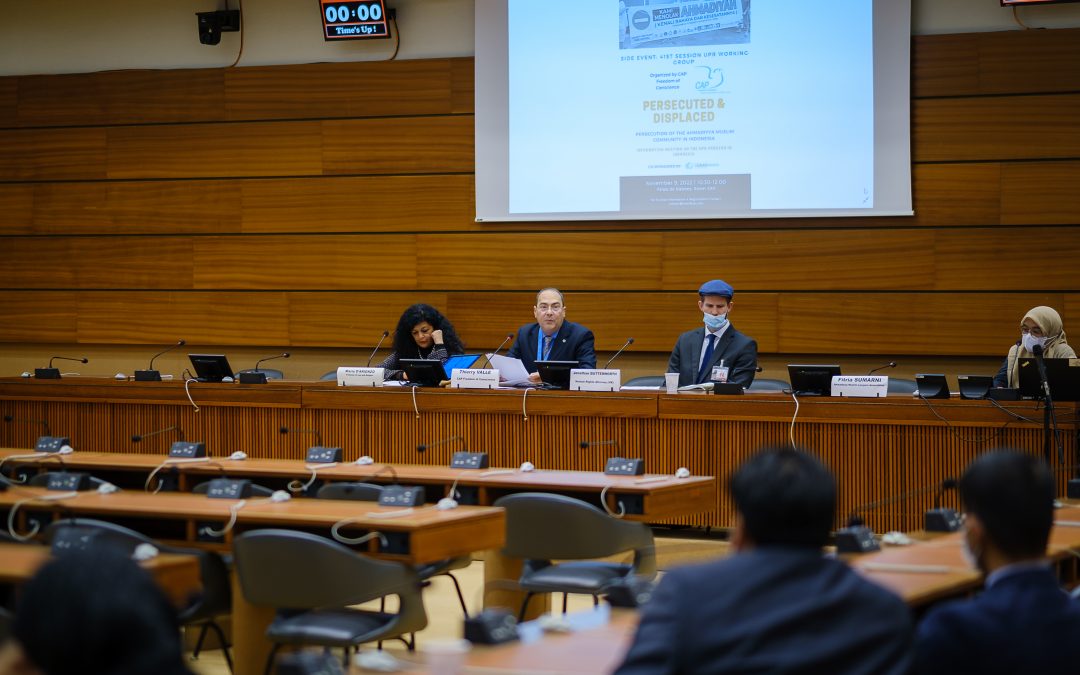
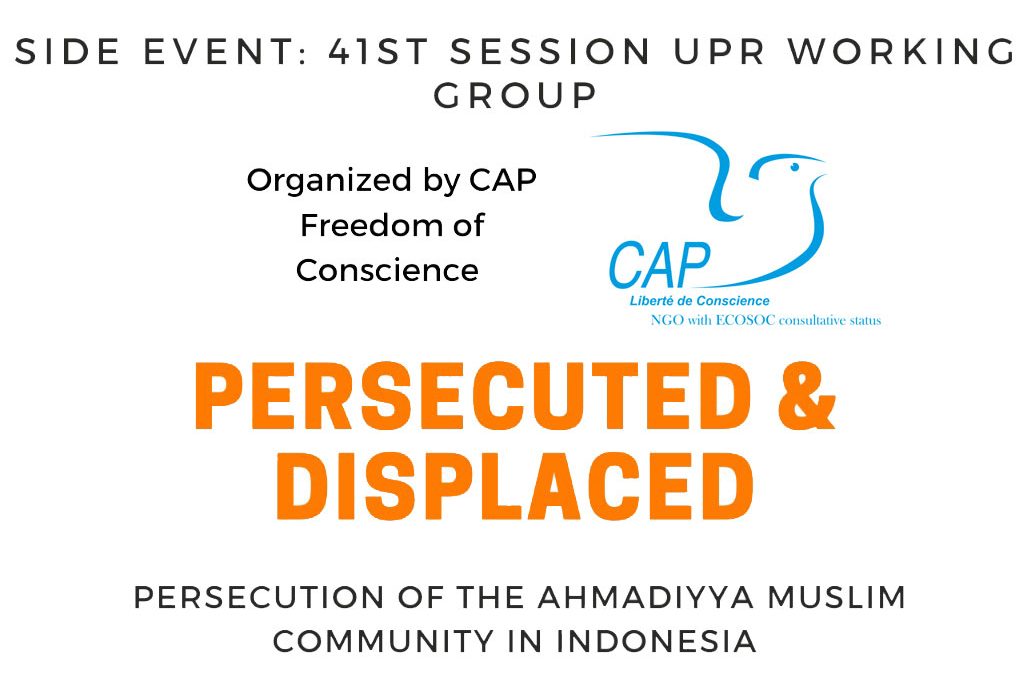
On behalf of the Coordination des Associations et des Particuliers pour la Liberté de Conscience (CAP Freedom of Conscience) and International Human Rights Commissio , it is my privilege to invite you to our NGO side event highlighting the persecution faced by the Ahmadiyya Muslim Community in Indonesia during the 41st session of the United Nations Universal Periodic Review in Geneva.
by CAP Liberté de Conscience | Oct 24, 2022 | France
Combien de temps encore le gouvernement français va-t-il continuer à financer la FECRIS (Fédération Européenne des Centres d’Information et de Recherche sur le Sectarisme), une association dont certains de ses membres les plus éminents, en France comme en Russie, sont responsables de la discrimination de minorités religieuses, de la propagation de discours diffamatoires et haineux dont le but est l’imposition de la religion orthodoxe russe par l’élimination de la concurrence et la destruction de la pensée et des valeurs de l’Occident ?
by CAP Liberté de Conscience | Oct 24, 2022 | France
Le 19 mai 2017, Alexander Korelov, l’avocat de plusieurs propagandistes orthodoxes radicaux russes bien connus et hostiles aux Témoins de Jéhovah et à d’autres minorités religieuses en Russie, comme Alexander Dvorkin, a été invité par la FECRIS (Fédération européenne des centres de recherche et d’information sur le Sectarisme) au Parlement belge à une conférence controversée présidée par le député belge André Frédéric.
by CAP Liberté de Conscience | Oct 24, 2022 | France
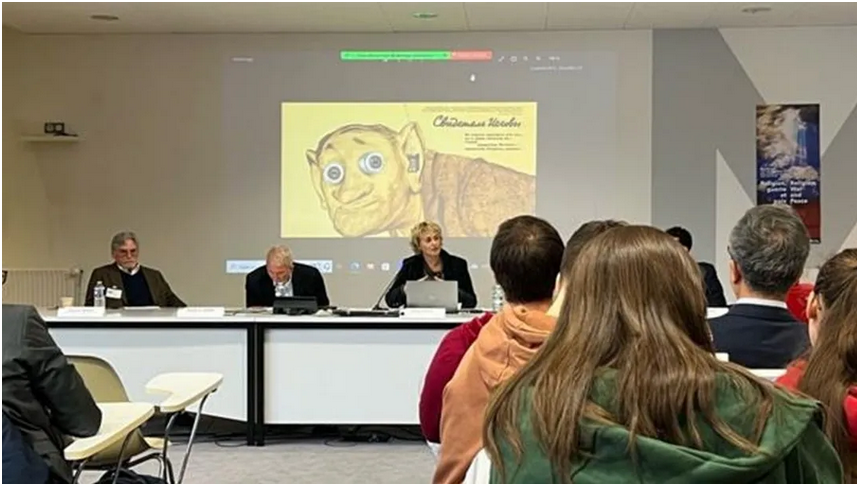
La révélation a été lancée en Russie le 11 octobre par le site web de l’ Archiprêtre Alexander Novopashin, le vice-président de l’association nationale russe des centres d’études religieuses et sectaires (РАЦИРС/RATsIRS), qui est liée à la fédération européenne antisectes FECRIS. La présentation graphique de l’article ainsi que la révélation elle-même, rappellent l’iconographie antisémite russe traditionnelle.

by CAP Liberté de Conscience | Oct 24, 2022 | CAP LC Event Coming
A symbol of hope for global unity 77 years ago The United Nations was born out of hope.
by CAP Liberté de Conscience | Oct 15, 2022 | ICCPR
We are very concerned about the ethnic killings of Amharas in Horo Guduru Wellega Zone, West Wellega Zone and in Kellem Wellega Zone Oromia from June to September 2022: