by CAP Liberté de Conscience | Jul 11, 2023 | France
Le 26 juin, l’Observatoire Fédéral des Sectes (CIAOSN/ IACSSO), qui est officiellement connu sous le nom de “Centre d’information et d’avis sur les organisations sectaires nuisibles” et qui fut créé par la loi du 2 juin 1998 (modifiée par la loi du 12 avril 2004) a publié une “Recommandation concernant l’aide apportée aux victimes d’emprise sectaire”.
by CAP Liberté de Conscience | Jul 10, 2023 | HRC 53, news
La Escuela de Yoga de Buenos Aires (BAYS) fue creada en 1983 por el Dr. Percowicz para enseñar Raja Yoga, filosofía occidental y oriental, y sus aplicaciones prácticas para mejorar el bienestar personal y la vida cotidiana (la información sobre BAYS y su caso se recoge en el único estudio académico sobre el grupo publicado en una revista revisada por expertos: Massimo Introvigne, “La gran caza de brujas contra las sectas en Argentina y la Escuela de Yoga de Buenos Aires.”
by CAP Liberté de Conscience | Jul 10, 2023 | HRC 53, news
The Buenos Aires Yoga School (BAYS) was established in 1983 by Dr. Juan Percowicz to teach Raja Yoga, Western and Eastern philosophy, and their practical applications to improve personal well-being and daily life (information on BAYS and its case are taken by the only scholarly study of the group published in a peer-reviewed journal: Massimo Introvigne, “The Great Cult Scare in Argentina and the Buenos Aires Yoga School,” The Journal of CESNUR, 7.3, 2023, 3–32; parts of this study are reproduced here with permission).
by CAP Liberté de Conscience | Jul 6, 2023 | CAP LC Event Coming, EU Parliament, news
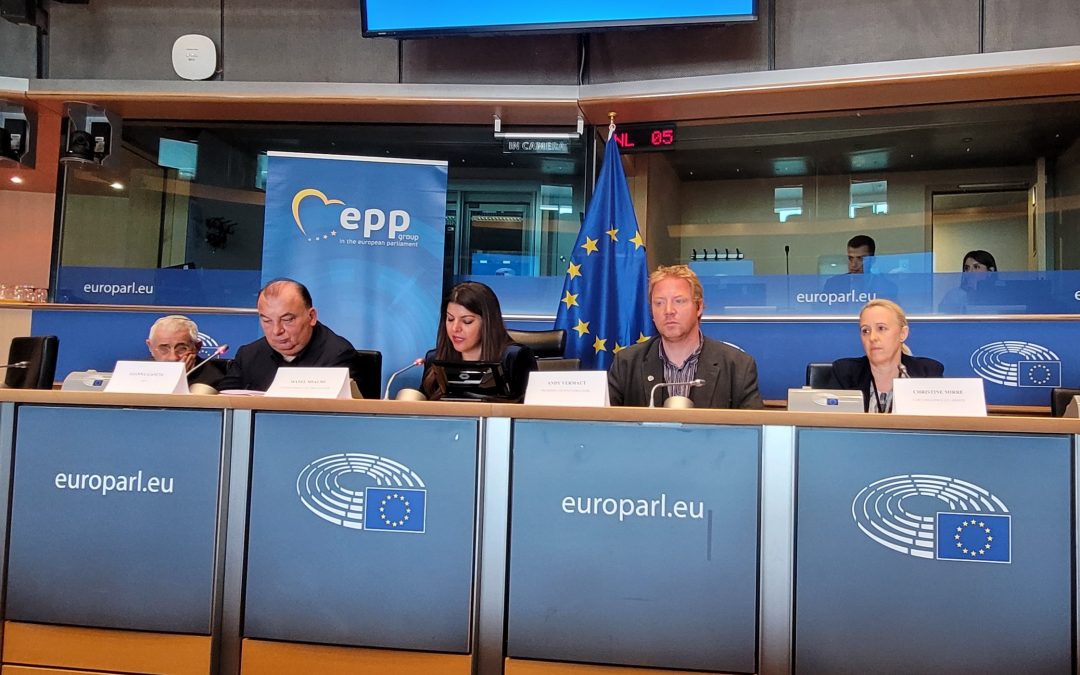
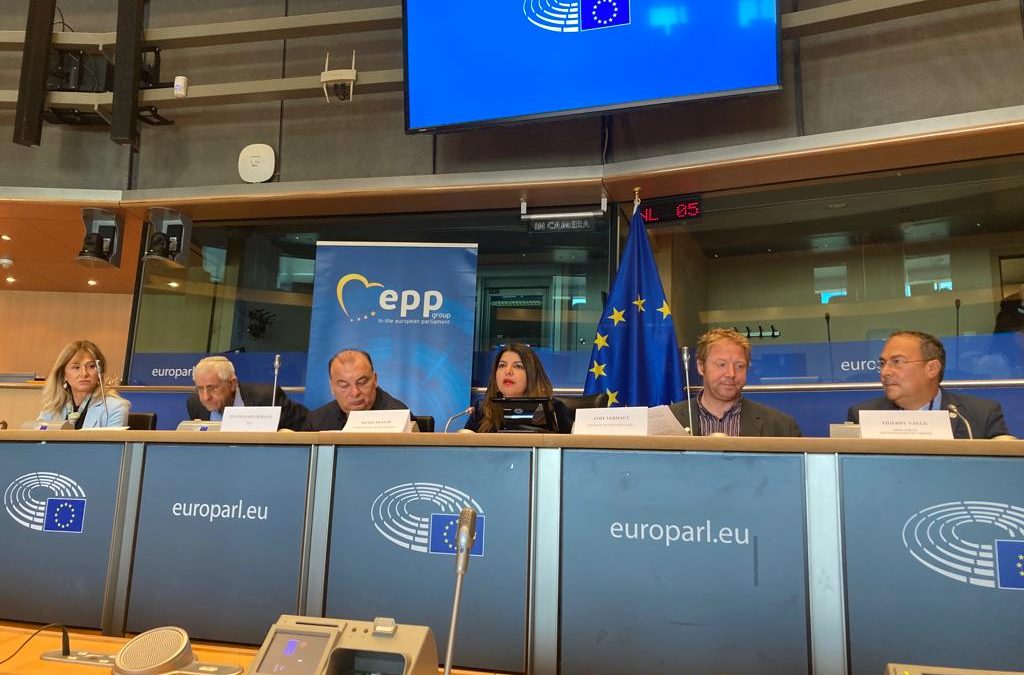
They have also encountered restrictions on their language and cultural rights. For instance, the Azeri language, which is widely spoken in Iran, has faced limitations in official settings, education, and media. Iranian law imposes certain restrictions on women, such as compulsory hijab and gender-based segregation in public spaces. It is important to emphasize that these issues are not unique to women of ethnic minority backgrounds in Iran. Women across the country, regardless of their ethnicity, face legal and social challenges that limit their rights and freedoms. I’d like to illustrate the situation of ethnic minority women in Iran with an emblematic case of persecution.
by CAP Liberté de Conscience | Jul 6, 2023 | CAP LC Event Coming, EU Parliament, news
It is high time that Iran listened to the voices from around the world imploring it to comply with the universal principles of respect for human rights for all Iranians, and that the persecution, discrimination, and barbaric behavior of another age cease, so that this great country with a rich and glorious history, can once again become the magnificent Iran.

by CAP Liberté de Conscience | Jul 5, 2023 | CAP LC Event Coming, From the world
Join us tomorrow in the European Parliament to speak about the situation of Minorities and mainly the Azeri community. The debate aims at supporting 30 million Southern Azerbaijanis who suffer under the Iranian rule. The rights of this ethnic group must be guaranteed by anyone who claims to be an opposition leader, whether it is cultural autonomy or independence.
by CAP Liberté de Conscience | Jul 5, 2023 | From the world, news
We, the undersigned organizations of Ethiopians in the Diaspora, write this letter of appeal to request an urgent action by the UN Human Rights Council (UNHRC), UNHRC Member States, and the Delegation of the EU to the UN and Other International Organizations in Geneva to stop the ongoing human rights violations and genocide against the Amhara people of Ethiopia.
by CAP Liberté de Conscience | Jul 3, 2023 | news, OSCE
CAP/ Conscience et Liberté and Human Rights Without Frontiers are deeply concerned about the situation of over 100 members of the Ahmadi Religion of Peace and Light who have been blocked by the Turkish authorities at the Turkish-Bulgarian border since the end of May.
Ankara has decided to deport them back to their home countries where they would face imprisonment, torture and even execution in the case of Iran.