by CAP Liberté de Conscience | Aug 1, 2023 | CAP LC Event Coming, news
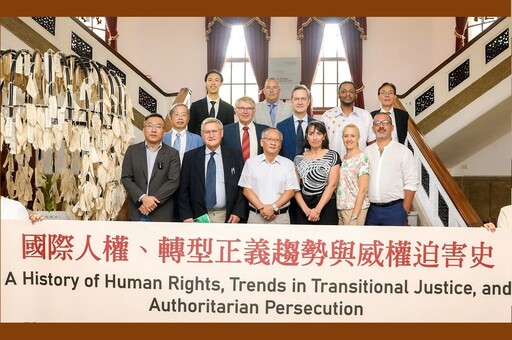
President Tsai Ing-wen has publicly promised that transitional justice will not stop. What do international scholars and experts say about this? International human rights experts from Europe and the United States visited the February 28 National Memorial Hall on the morning of July 28 and were grandly received by the executive director Yang Zhenlong. During the exchanges, human rights experts pointed out that Taiwan’s transformational justice is really not enough. In the afternoon, the group participated in a forum co-hosted by the 228 National Memorial and the Taiwan Institute of Economics and Criminal Law to discuss “international human rights, trends in transitional justice, and history of authoritarian persecution.” Many scholars mentioned the Taijimen case, an iconic case in Taiwan, and Questioned the situation that Hou Kuanren, director of the Institute of Forensic Medicine of the Supreme Prosecutor’s Office who was a prosecutor, investigated many cases of abuse of power and law, but was not punished but was promoted. He called on the Taiwan government to restore the historical truth, face it squarely, and speed up the resolution.
by CAP Liberté de Conscience | Jul 30, 2023 | CAP LC Event Coming, news
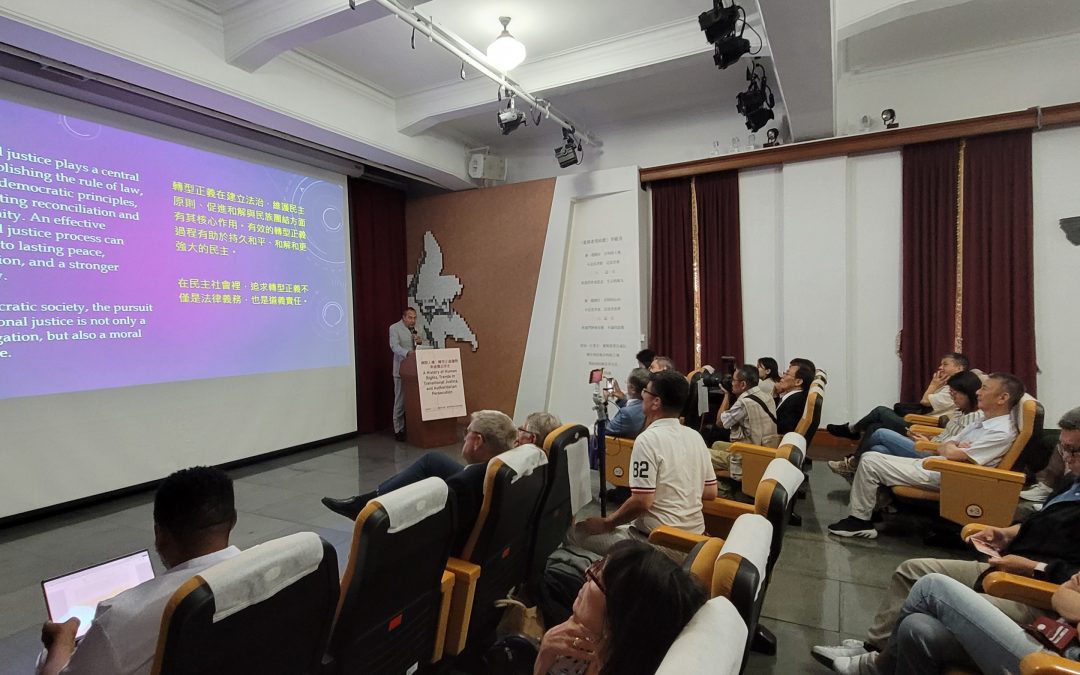
Transitional justice is a complex and essential process that a democratic country must undertake to address past human rights violations, atrocities, and injustices.
Today, we will examine the key components and strategies needed to ensure a successful transitional justice process in a democratic country like Taiwan.
We will see how the implementation of transitional justice in a democratic country can emphasize the importance of inclusiveness, accountability, restorative justice, and sustained engagement in achieving a just and harmonious society.
by CAP Liberté de Conscience | Jul 19, 2023 | CAP LC Event Coming, EU Parliament, news
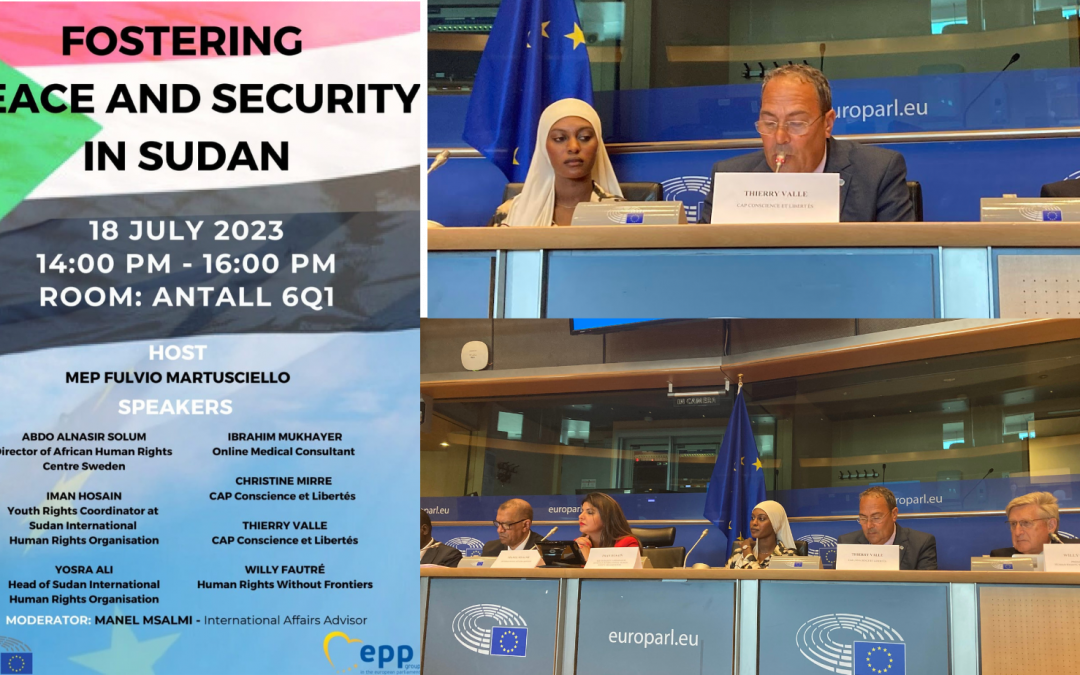
The United Nations Security Council convened on 2nd June 2023, to discuss the ongoing situation in Sudan.
The members of the Security Council recalled the previous Press Statement issued on 15 April 2023, expressing deep concern regarding the continued military clashes between the Sudanese Armed Forces and Rapid Support Forces.
I will summarize the key points and outcomes of the Security Council’s deliberations.
by CAP Liberté de Conscience | Jul 19, 2023 | CAP LC Event Coming, EU Parliament, news
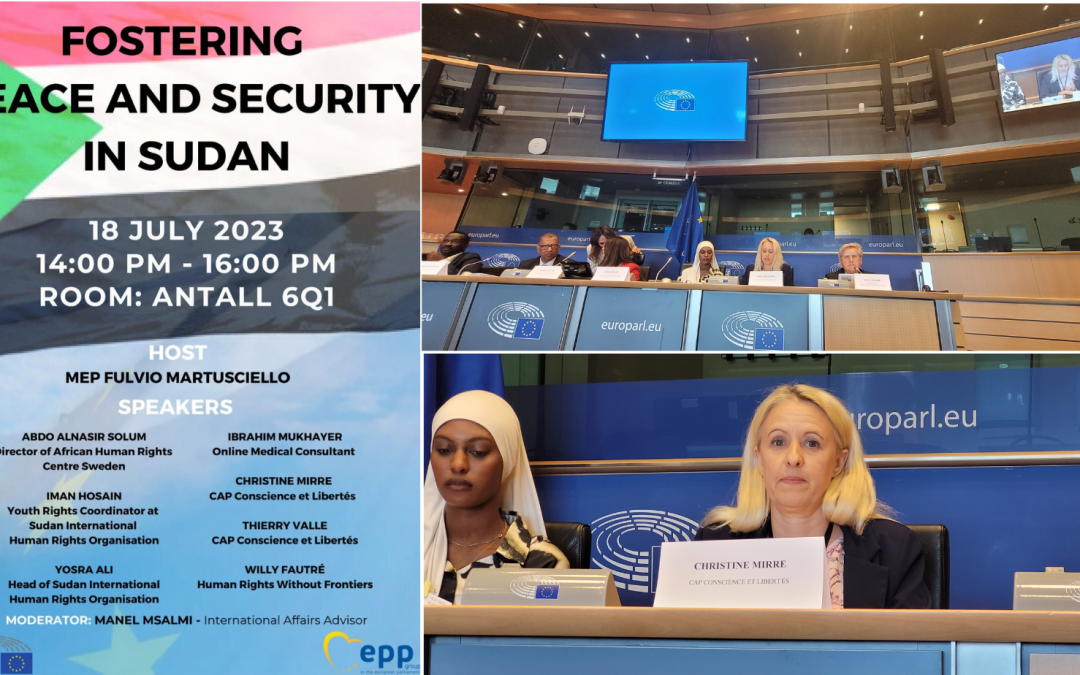
As we all know, women, along with children, are the most vulnerable targets in wartime.
Gender-based violence and crime, such as rape and the destruction of property and lives, are the greatest threats to women, and these crimes are often overlooked and committed with impunity.
According to UN estimates, even before the fighting broke out on April 15, more than 3 million women and girls in Sudan were at risk of gender-based violence. This figure has since risen to 4.2 million.
by CAP Liberté de Conscience | Jul 6, 2023 | CAP LC Event Coming, EU Parliament, news
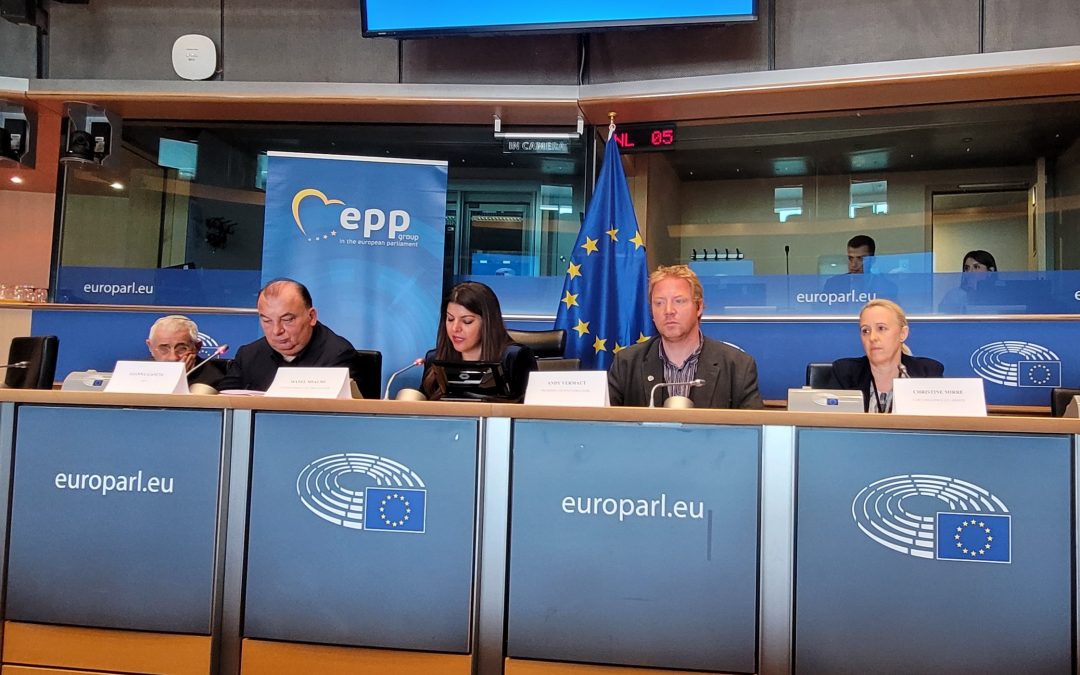
They have also encountered restrictions on their language and cultural rights. For instance, the Azeri language, which is widely spoken in Iran, has faced limitations in official settings, education, and media. Iranian law imposes certain restrictions on women, such as compulsory hijab and gender-based segregation in public spaces. It is important to emphasize that these issues are not unique to women of ethnic minority backgrounds in Iran. Women across the country, regardless of their ethnicity, face legal and social challenges that limit their rights and freedoms. I’d like to illustrate the situation of ethnic minority women in Iran with an emblematic case of persecution.
by CAP Liberté de Conscience | Jul 6, 2023 | CAP LC Event Coming, EU Parliament, news
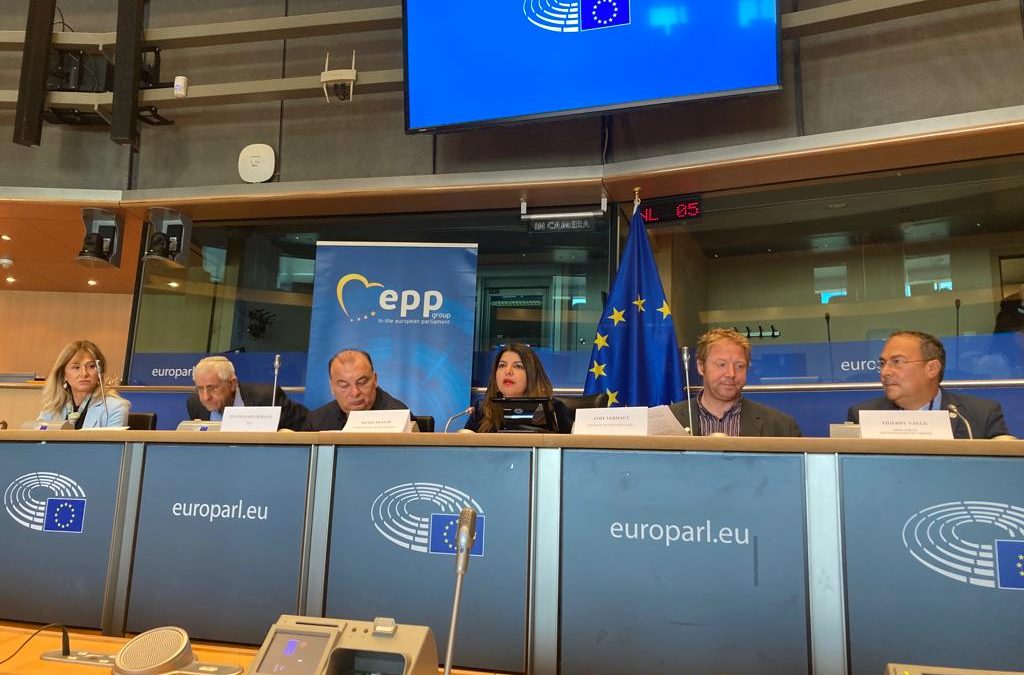
It is high time that Iran listened to the voices from around the world imploring it to comply with the universal principles of respect for human rights for all Iranians, and that the persecution, discrimination, and barbaric behavior of another age cease, so that this great country with a rich and glorious history, can once again become the magnificent Iran.

by CAP Liberté de Conscience | Jul 5, 2023 | CAP LC Event Coming, From the world
Join us tomorrow in the European Parliament to speak about the situation of Minorities and mainly the Azeri community. The debate aims at supporting 30 million Southern Azerbaijanis who suffer under the Iranian rule. The rights of this ethnic group must be guaranteed by anyone who claims to be an opposition leader, whether it is cultural autonomy or independence.
by CAP Liberté de Conscience | Apr 17, 2023 | CAP LC Event Coming, news
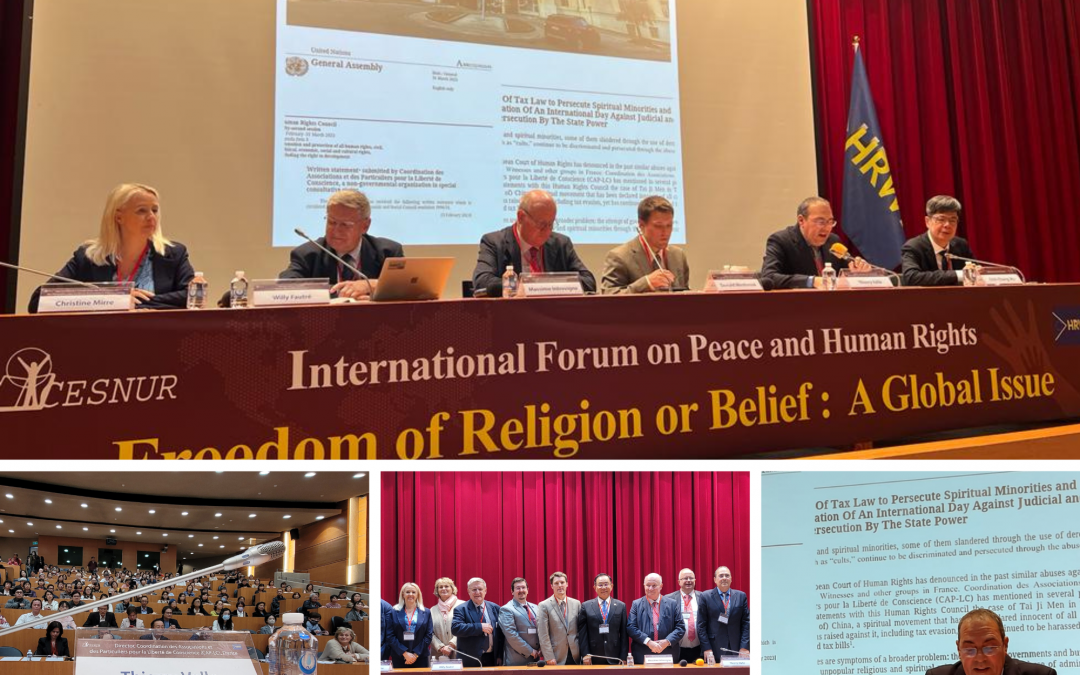
“religion and spirituality live in the hearts of the believers, but they create communities, and communities cannot exist without places where they can gather. For many religious and spiritual groups, these gathering places do not serve a functional purpose only. Land where devotees gather becomes sacred land. Religion and spirituality live in time and space. They separate portions of time and space from the daily temporal and spatial flow, appropriate them for themselves, and invest them with spiritual meanings. Taking their spaces away from spiritual movements means cutting their deepest roots.”