by CAP Liberté de Conscience | Mar 4, 2024 | HRC 55, news
At a time when the fabric of global society is increasingly strained by divisions, the report on hatred based on religion or belief by Nazila Ghanea, the Special Rapporteur on freedom of religion or belief, emerges as a beacon of insight and guidance. This comprehensive document, to be presented at the 55th session of the Human Rights Council, not only examines the diverse manifestations of religious hatred, but also proposes a way forward for nations and societies grappling with this pervasive problem.
by CAP Liberté de Conscience | Mar 1, 2024 | news
At every session of the Human Rights Council since 2016, CAP LC has intervened through written and oral statements on the issue of religious freedom in China. We have denounced the persecution, arbitrary detention, and torture of members of religious minorities, the forced organ harvesting of Falun Gong members, and the treatment of Uyghurs in forced labor camps in Xijiang.
by CAP Liberté de Conscience | Feb 26, 2024 | CAP LC Event Coming, news
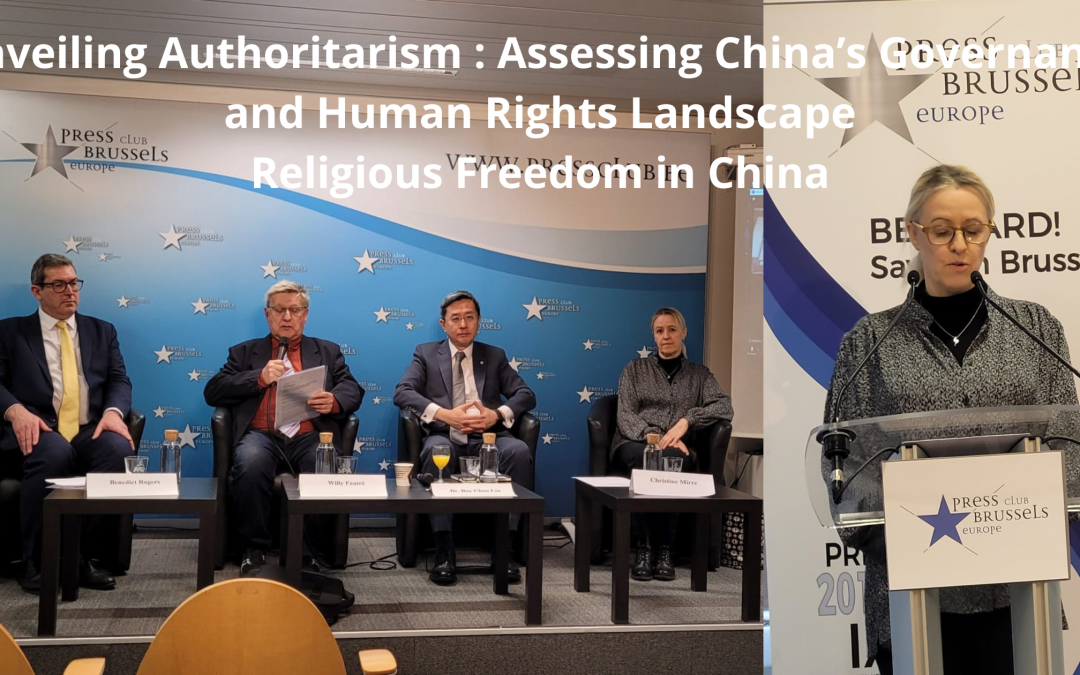
BRUSSELS CONFERENCE
Assessing China’s Governance and Human Rights Landscape

by CAP Liberté de Conscience | Feb 26, 2024 | news
Worries are mounting over the preservation of the historic churches of Lalibela in Ethiopia. These structures, listed as UNESCO World Heritage sites, stand as icons of the country’s architecture and spirituality. However, recent reports suggest they could be at risk due to unregulated development activities.
by CAP Liberté de Conscience | Feb 12, 2024 | France, news
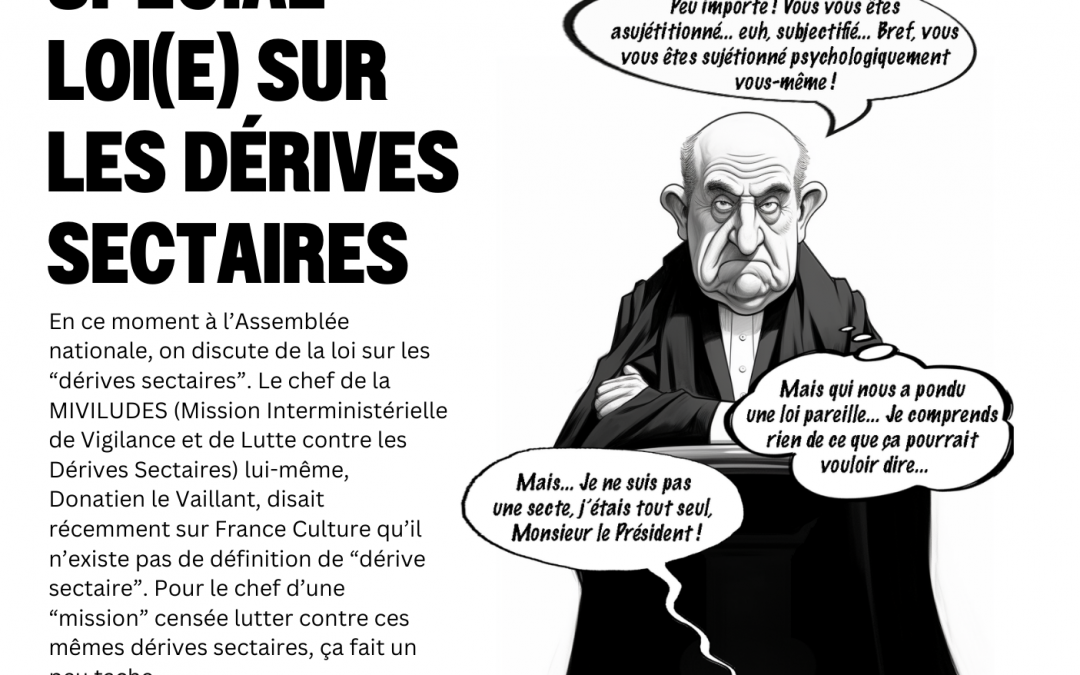
Nous sommes ravis de vous offrir en avant première la possibilité de découvrir en ligne notre dernière publication, une édition spéciale de l’Oie Déchainée traitant de la loi sur les “dérives sectaires actuellement débattue à l’Assemblée nationale.
by CAP Liberté de Conscience | Feb 8, 2024 | news, UN UPR
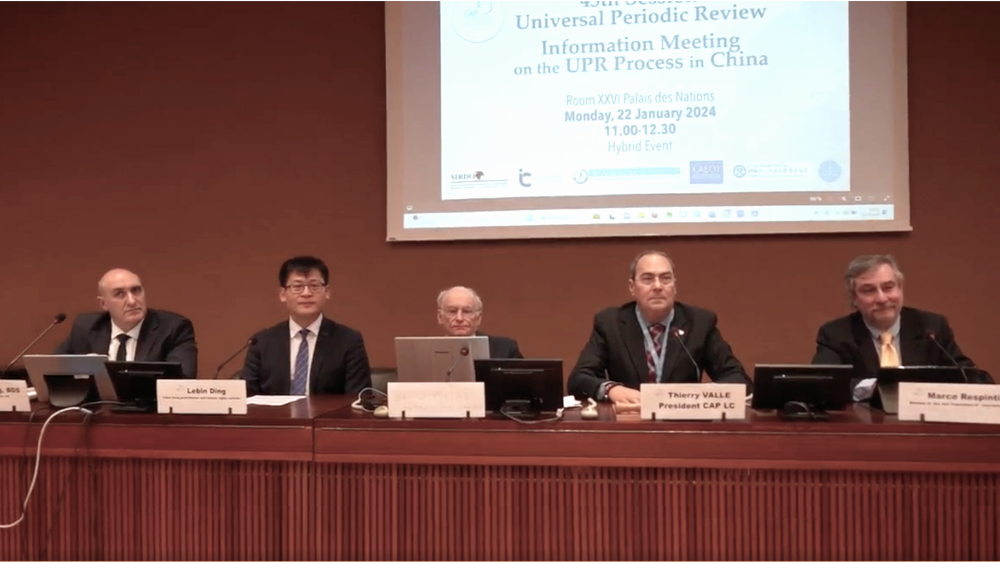
[Minghui.com, February 8, 2024] (Reported by Minghui Swiss Correspondent Station) On January 22, 2024, two non-governmental organizations – the European “CAP Freedom of Conscience” and “Doctors International” The Organization Against Forced Organ Harvesting (DAFOH) held a briefing on the Chinese Communist Party’s persecution of Falun Gong and organ harvesting from Falun Gong practitioners at the United Nations in Geneva, Switzerland.
by CAP Liberté de Conscience | Feb 7, 2024 | news, UN UPR
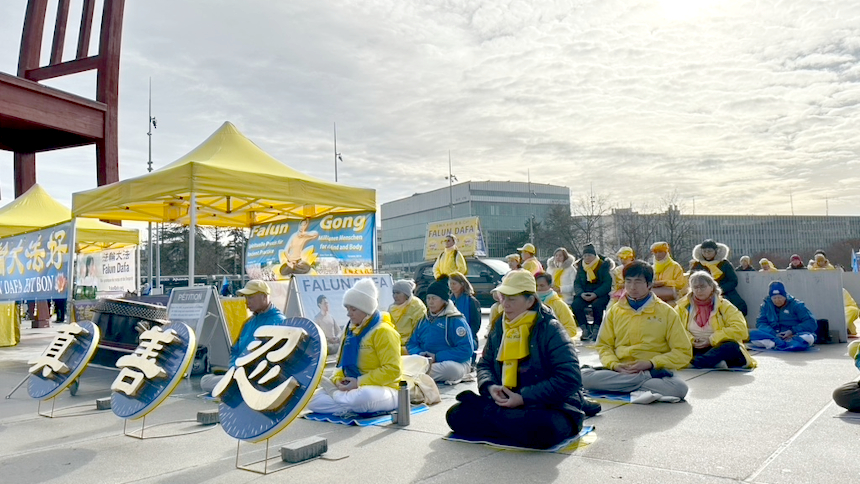
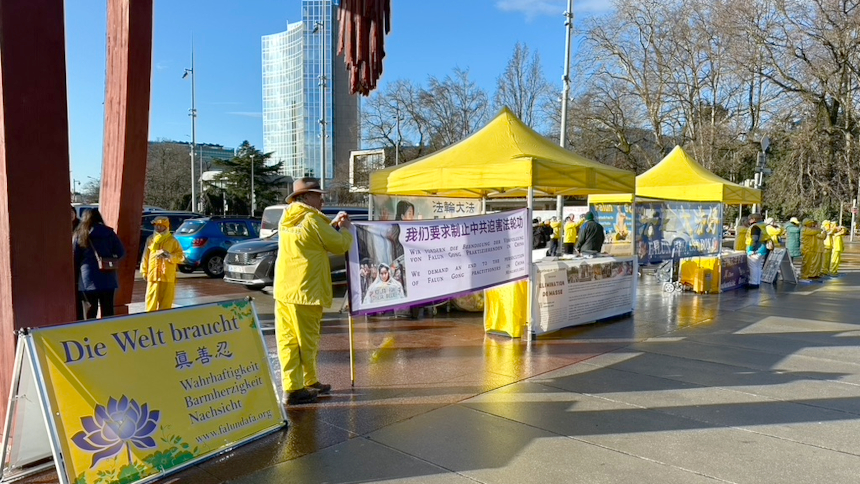
[Voice of Hope January 26, 2024] (reported by our reporter Wen Simin) The 45th session of the fourth round of the Universal Periodic Review (Universal Periodic Review) of the United Nations Human Rights Council was held on January 22. It begins at the Palais des Nations (Palais des Nations) in Geneva, the European headquarters of the United Nations. The day before the review of human rights in China, a conference titled “China’s Deprivation of Universal Human Rights “, focusing on the persecution of Falun Gong and organ harvesting from living persons, was also held at the Palais des Nations . On the 22nd and 23rd, some Falun Gong practitioners from the Czech Republic, Finland, Germany, France, the German-speaking and French-speaking areas of Switzerland held truth-clarification activities at the Place des Nations opposite the Palais des Nations.
by CAP Liberté de Conscience | Feb 7, 2024 | news, UN UPR
The day before the United Nations Human Rights Council held the fourth round of the Universal Periodic Review ( UPR ) of human rights in China, a non-governmental organization with United Nations consultative status – “Association for Freedom of Conscience and Individual Collaboration” (French abbreviation CAP LC) organized , together with the organization “Doctors Against Forced Organ Harvesting ” (DAFOH), held an information meeting titled “China’s Deprivation of Universal Human Rights ” on January 22, specifically focusing on the ongoing persecution of Falun Gong practitioners and organ harvesting. question.