by CAP Liberté de Conscience | Dec 4, 2023 | France
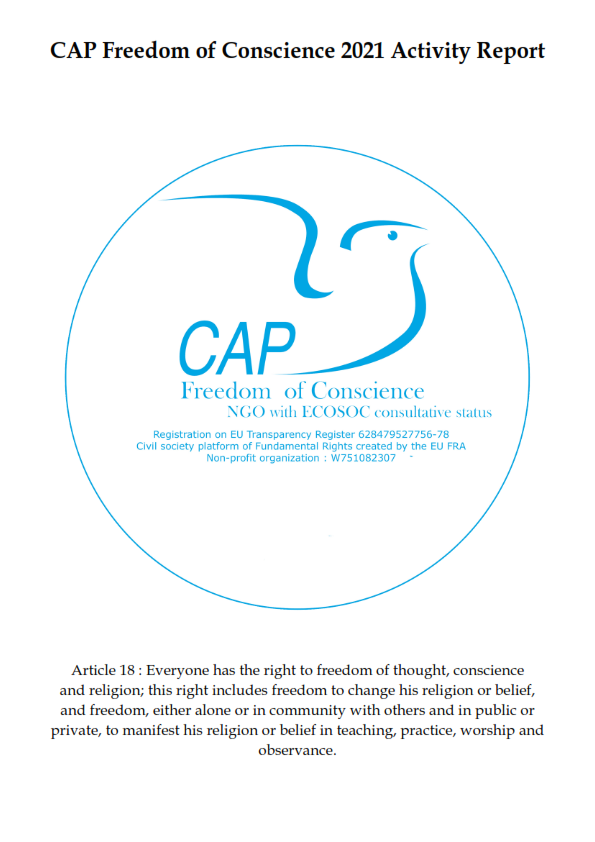
Le gouvernement français a mis en place un système de contrôle de ces minorités unique en Europe qui conduit à des violations graves par l’Etat des principes de liberté de religion ou de conviction, d’égalité des citoyens français devant les institutions nationales et de fraternité, en divisant les citoyens selon leur appartenance ou non à une minorité religieuse ou de conviction reconnue, et en créant un climat de suspicion et parfois même de haine à l’égard des croyances non traditionnelles, conduisant à une détérioration de la qualité du vivre ensemble pacifique.
by CAP Liberté de Conscience | Dec 4, 2023 | EU Parliament, news
The French government has established a system of control over these minorities that is unique in Europe and that leads to serious violations by the State of the principles of freedom of religion or belief, equality of French citizens before the national institutions, and fraternity, by dividing citizens according to whether or not they belong to a recognized religious or belief minority, and by creating a climate of suspicion and sometimes even hatred towards non-traditional beliefs, leading to a deterioration in the quality of peaceful living together.
by CAP Liberté de Conscience | Nov 18, 2023 | CAP LC Publication, CAP LC United Nations
Purpose: To inform the Special Rapporteur on freedom of religion or belief’s thematic report to be delivered to the 55th session of the UN Human Rights Council.
by CAP Liberté de Conscience | Oct 7, 2023 | news, OSCE
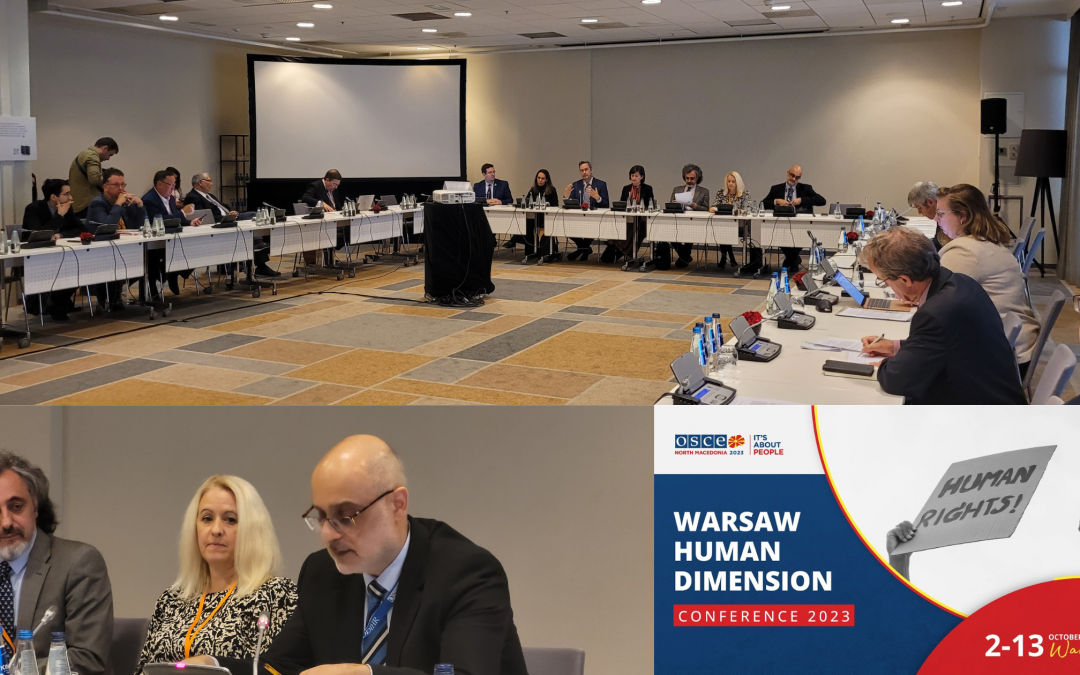
Anti-religious intolerance and hate crimes continues to be a concern across the Organization for Security and Co-operation in Europe (OSCE) region. Such manifestations of intolerance threaten both the security of individuals and societal cohesion, as discrimination and intolerant discourse often escalate into violence and wider scale conflict. At the same time, a comprehensive security regime is also needed to fully respect, protect and fulfil freedom of religion or belief, which is specifically acknowledged as one of the fundamental principles guiding mutual relations among OSCE participating States and an integral aspect of the OSCE’s concept of security. Furthermore, participating States of the OSCE have agreed on a broad range of commitments to address racism, xenophobia, anti-Semitism, discrimination and intolerance, including intolerance against Christians, Muslims, Jews, and members of other religions.
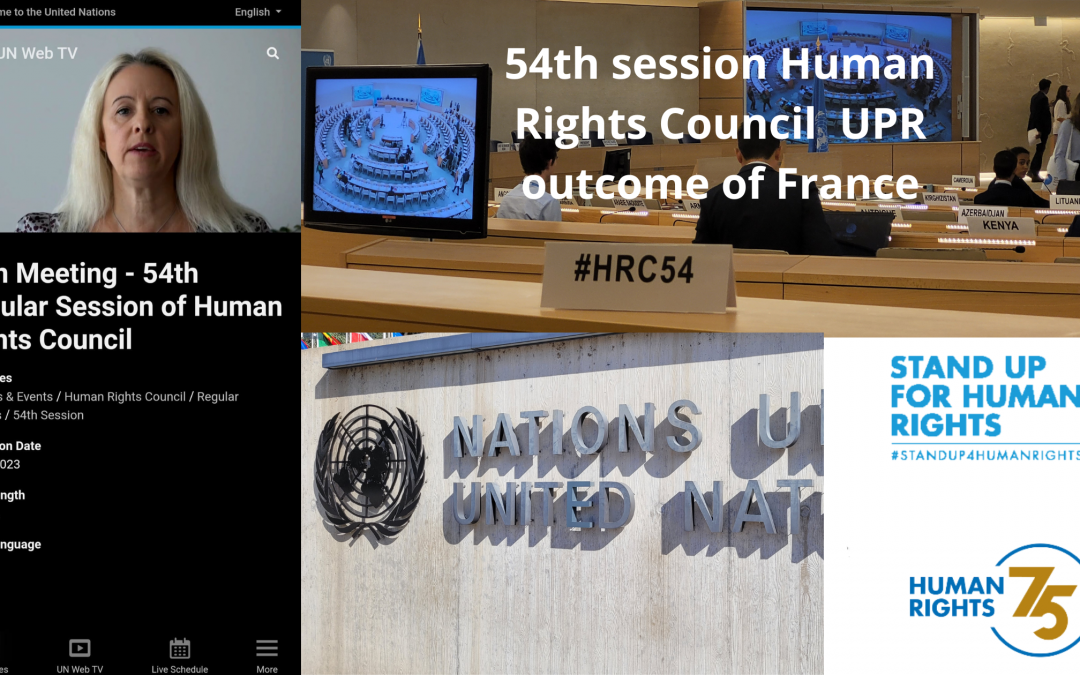
by CAP Liberté de Conscience | Sep 29, 2023 | HRC 54, news
We, together with United Sikhs welcome the efforts made by France to combat stigmatization and discrimination against minorities since its last UPR.
We remain concerned about France’s policies on freedom of religion and belief, which are leading to a climate of religious intolerance, community withdrawal, hate speech and hate crimes.
As stated in our latest contribution to the OSCE 23 Report on hate crimes, the French policy act as a catalyst for intolerance, in violation of international conventions such as the Durban Declaration.