What is “Coordination des Associations et des Particuliers pour la Liberté de Conscience” (CAP Freedom of Conscience)?
CAP Freedom of Conscience is a secular European NGO with United Nations Consultative Status, created in 1995 and dedicated to protect the Right of Freedom of Religion and Belief.
CAP Freedom of Conscience combats all forms of discrimination based on religion or belief by alerting European and International bodies.
CAP Freedom of Conscience collects testimonies of discrimination and human rights violations affecting religious or belief communities in order to disseminate them to international bodies, and in order to raise awareness and inform them as well as to generate debate on the protection of Freedom of Religion and Belief.
CAP Freedom of Conscience also advocates for any religious or spiritual group facing discrimination to have their right to Freedom of Religion and Belief recognized.
CAP Freedom of Conscience is a member of the European Federation for Freedom of Belief (FOB), European Network Of Religion and Belief (ENORB) and participate to the Civil Society Platform of Fundamental Rights created by the EU Fundamental Rights Agency DAFOH Partners in Combating and Preventing Forced Organ Harvesting
HRC 58 Sudan Crisis: Calls for Immediate Humanitarian Action
On 27 February 2025, during the 58th UN Human Rights Council, United Nations High Commissioner for Human Rights Volker Türk, in his statement to the Enhanced Interactive Dialogue on Sudan, stressed “the seriousness of the situation in Sudan; the desperate plight of the Sudanese people; and the urgency with which we must act to ease their suffering”. He called for immediate international action to push for a ceasefire, ensure humanitarian access, and enforce the arms embargo to protect civilians. The High Commissioner also warned that the “continued supply of weapons from outside the country – including new and more advanced arms – also poses a serious risk”.
HRC 58 oral Statement Item 2 Sudan
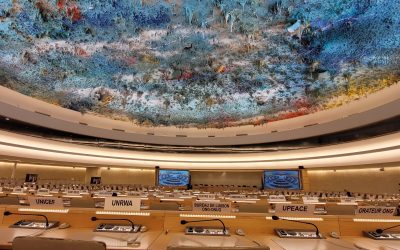
The UN fact-finding mission on Sudan has documented extensive killings, torture, rape and sexual violence.
The majority of victims are civilians, with over 10 million displaced and the humanitarian crisis worsening by the day. In January 2024, a UN panel of experts reported ‘credible’ allegations that the UAE had supplied military equipment. The supply of arms, ammunition, and military materials to the RSF by foreign states must cease.
The international community cannot turn a blind eye. UN Member States must act urgently to protect civilians, address the humanitarian crisis, and contribute to ending the fighting in Sudan.
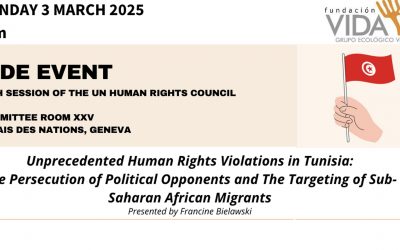
HRC 58 Side-event : Human Rights In Tunisia
On 18 February 2025, UN Human Rights Chief Volker Türk urged the Tunisian authorities to cease all forms of persecution against political opponents and to respect the rights to freedom of opinion and expression, while several UN experts have repeatedly raised concerns about the safety of sub-Saharan migrants.
The Situation of Bahá’ís in Egypt: The Case of Systematic Discrimination and the EU’s Response to the Human Rights Issue
European Parliament member Per Clausen in the Written Question (E-000676/2025) submitted the 13th February highlighted a diplomatic lever: Egypt’s macro-financial assistance from the European Commission is linked with human rights guarantees. The crux of the matter is this: What are the concrete measures that the EU is going to use in order to make Egypt undo the 1960 discriminatory decree?

HRC 58 Written Statement : Religious Freedom Under Scrutiny: Shincheonji’s Canceled Event Raises Concerns in South Korea
In a written statement presented to the Session of the United Nations Human Rights Council recently We highlighted an issue regarding religious freedom infringement linked to the Shincheonji Church, in South Korea.
A situation arose regarding a gathering scheduled for October 29th to 31st in the year 2024 at Imjingak Pyeonghwa Nuri Park, in Paju area in South Korea. Shincheonji is the group behind the event and has faced criticism for its beliefs in the past; however this time they obtained all the required permits and paperwork to use the venue legally. The event was expected to attract, about 100 000 attendees and involved a commitment of approximately $7 Million.
HRC 58 written statement : Tai Ji Men Case: A Persistent Challenge to Religious Freedom and Judicial Integrity
We urges global vigilance, arguing that taxes should never be weaponized to target innocent citizens or suppress religious and cultural practices. The Tai Ji Men case exemplifies how bureaucratic mécanismes can be manipulated to marginalize and harass spiritual communities that do not align with prevailing political narratives.
CAP Freedom of Conscience involvement UNITED NATIONS
LASTEST NEWS
Adhésion CAP LC 2024
CAP Freedom of Conscience involvement in Europe
SUPPORT CAP Liberté de Conscience
IBAN BE61 9670 0987 0017
SWIFT / BIC TRWIBEB1XXX
Address
TransferWise Europe SA
Square de Meeûs 38 bte 40
Brussels
1000
Belgium


FoRB Roundtable Brussels-EU
FoRB Roundtable Brussels-EU
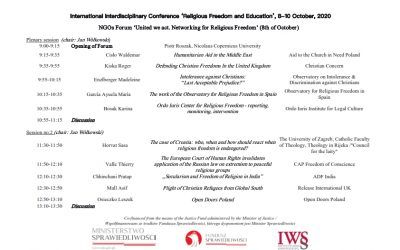
International Interdisciplinary Conference ‘Religious Freedom and Education’, 8-10 October, 2020
THE EUROPEAN COURT OF HUMAN RIGHTS INVALIDATES APPLICATION OF THE RUSSIAN LAW ON EXTREMISM TO PEACEFUL RELIGIOUS GROUPS
In a landmark decision, Ibragim Ibragimov and others v. Russia (28 August 2018), the European Court of Human Rights has invalidated the Russian Extremism Law as far as the Law’s definition of extremism allows the ban of religious publications even in the absence of any violence or hate speech.
The decision is extremely significant as the Human Rights Court found that any application of the Extremism Law must be based on actual incitement to hatred or violence in order to justify any restriction of freedom of expression of religious beliefs.
It is also significant that the Human Rights Court rejected the national courts’ reliance and wholesale adoption of the findings of one-sided experts’ reports to rule religious publications extremist, without any meaningful and independent analysis by the courts of materials characterized as extremist by experts retained by the government. The Human Rights Court also emphasized that the civil or criminal parties must be given an opportunity to adduce counter-evidence to counter extremist charges. The total process relied on by the courts in Russia in extremist cases has constituted a breach of the equality of arms principle, a practice of Russian courts which has become systematic in the recent years.

COVID-19 and Religious Freedom: Scapegoating Shincheonji in South Korea
A webinar organized by the Center for Studies on New Religions (CESNUR) and Human Rights Without Frontiers (HRWF) Date/Time: Monday, July 20, 2020, 17:00 (UTC +2, Brussels time) The fact that one member of Shincheonji, a Christian new religious movement in South...

Media Briefing The Coronavirus and the Shincheonji Church: True facts and fake news
Tuesday, 17 March 2020, 14h Press Club Brussels Europe Rue Froissart 95, 1000 Brussels In 2019, while no one knew the Shincheonji Church outside of South Korea, Massimo Introvigne, Willy Fautré and Rosita Soryté were studying the Shincheonji Church in Seoul, meeting...
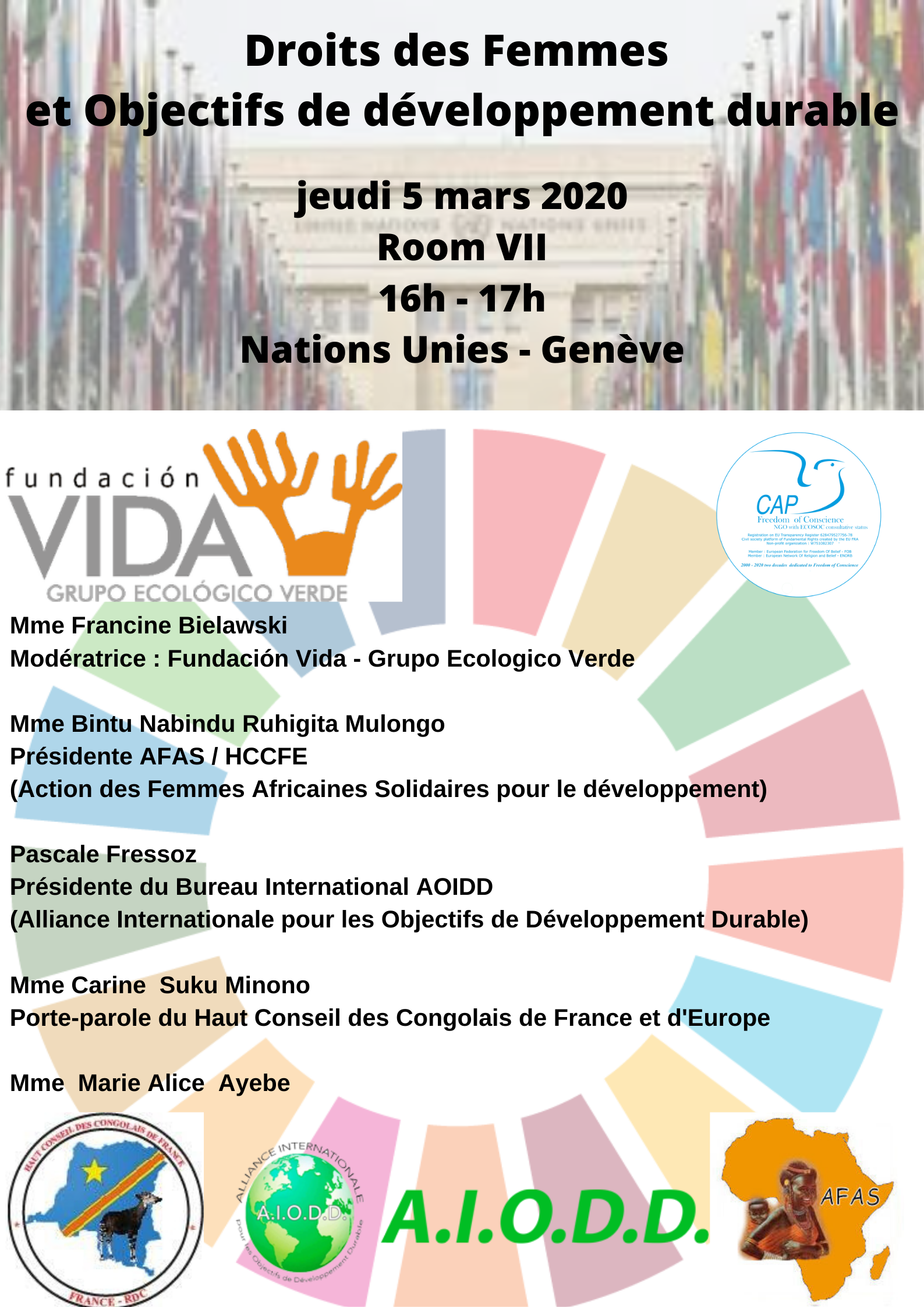
Droits des Femmes et Objectifs de développement durable
Nations Unies 05 Mar 2020 Room VII 16:00-17:00 Droits des femmes et ODD
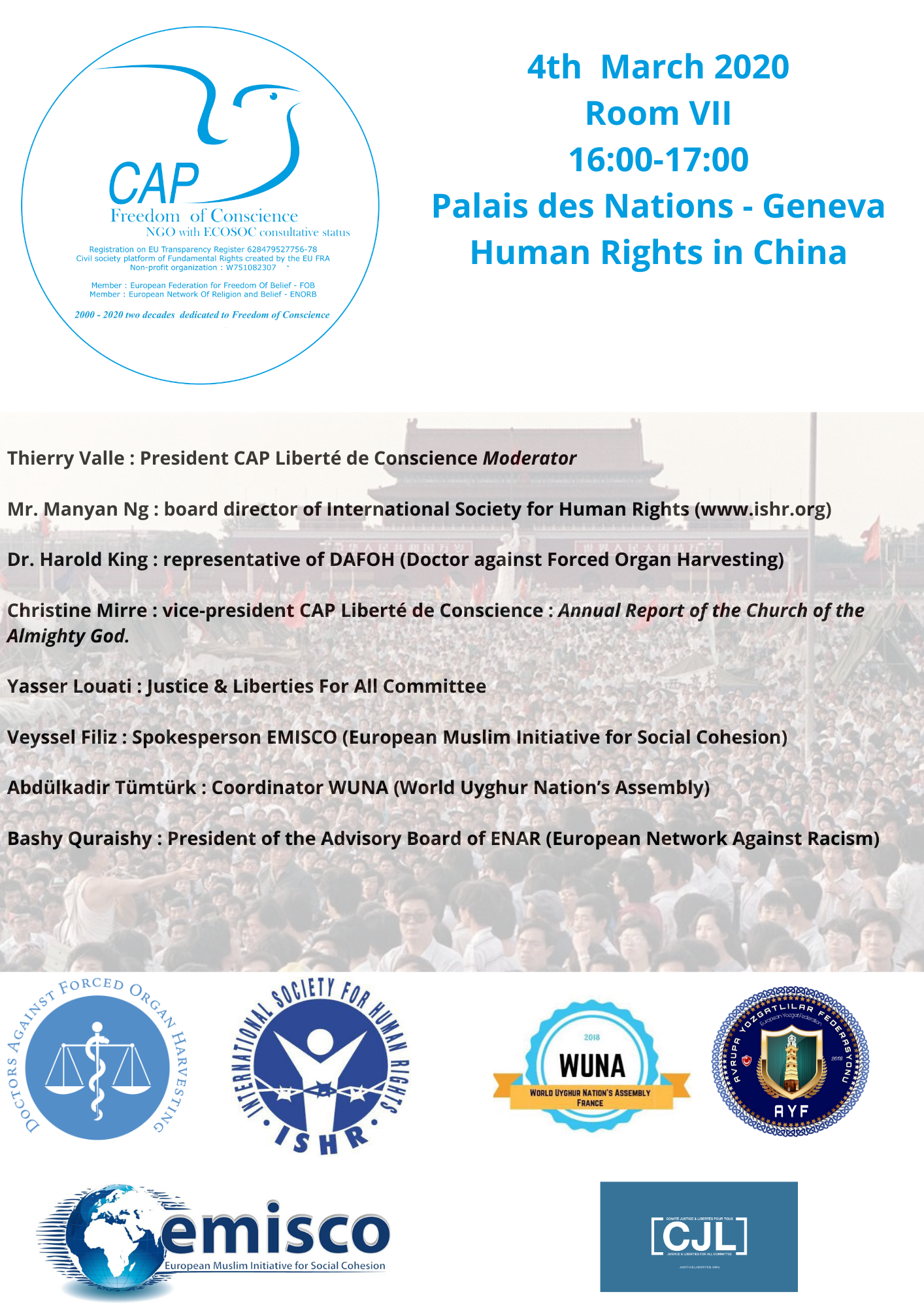
Human Rights Council 43rd : Human Rights in China
04th March 2020 Room VII 16:00-17:00 Palais des Nations - Geneva Human Rights in China